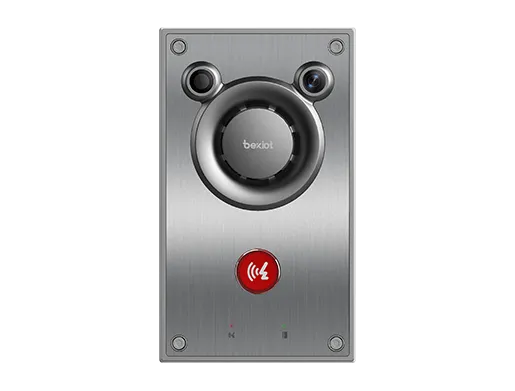
At Becke Telcom, we see emergency communication as more than a single device on a wall or a tower in a parking area. In real incidents, people need an obvious way to call for help, operators need clear voice communication, and response teams need a faster path from alarm receipt to on-site action. That is why we build Emergency Call Box solutions as part of a broader communication and dispatch architecture rather than as isolated hardware.
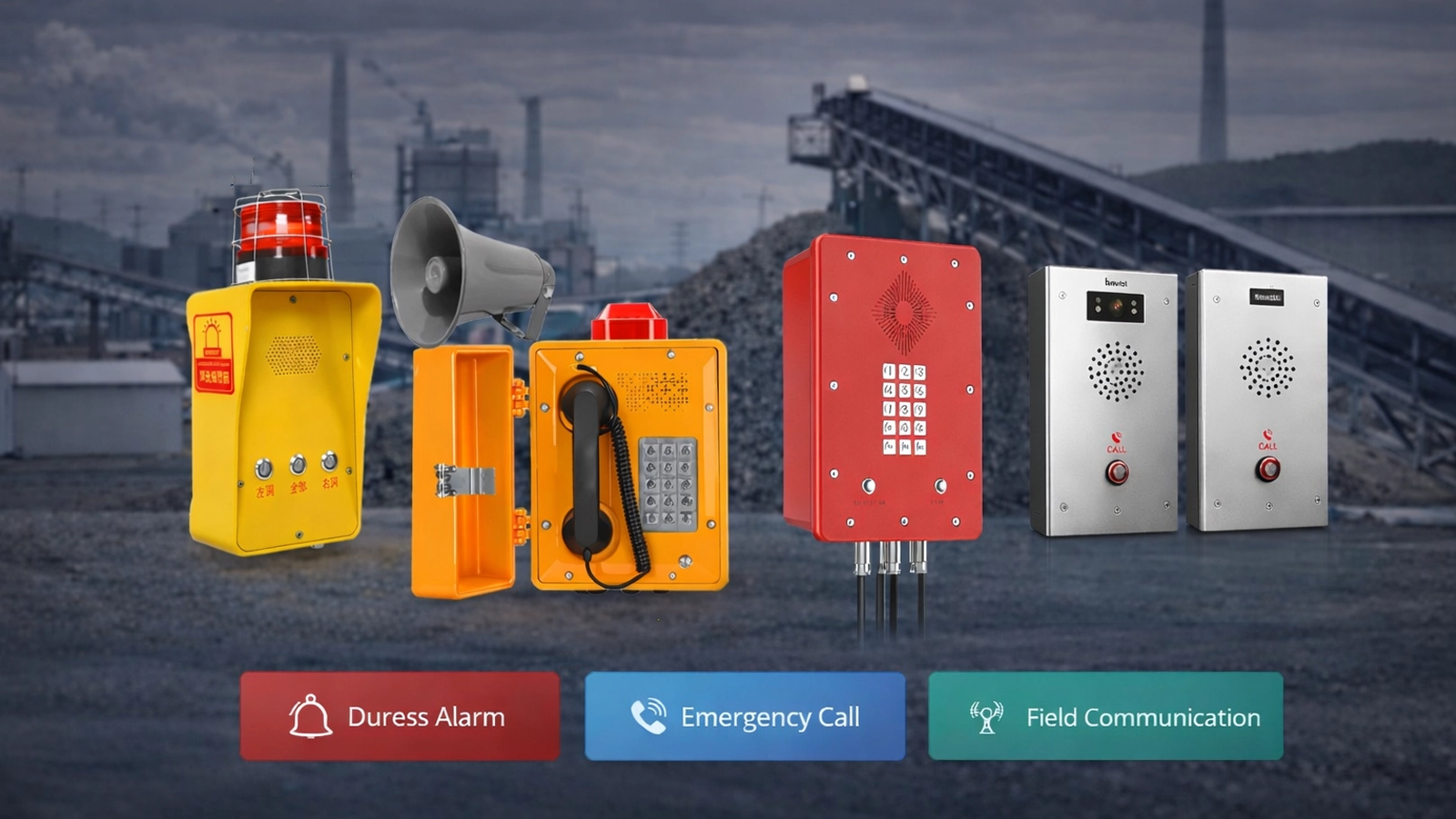
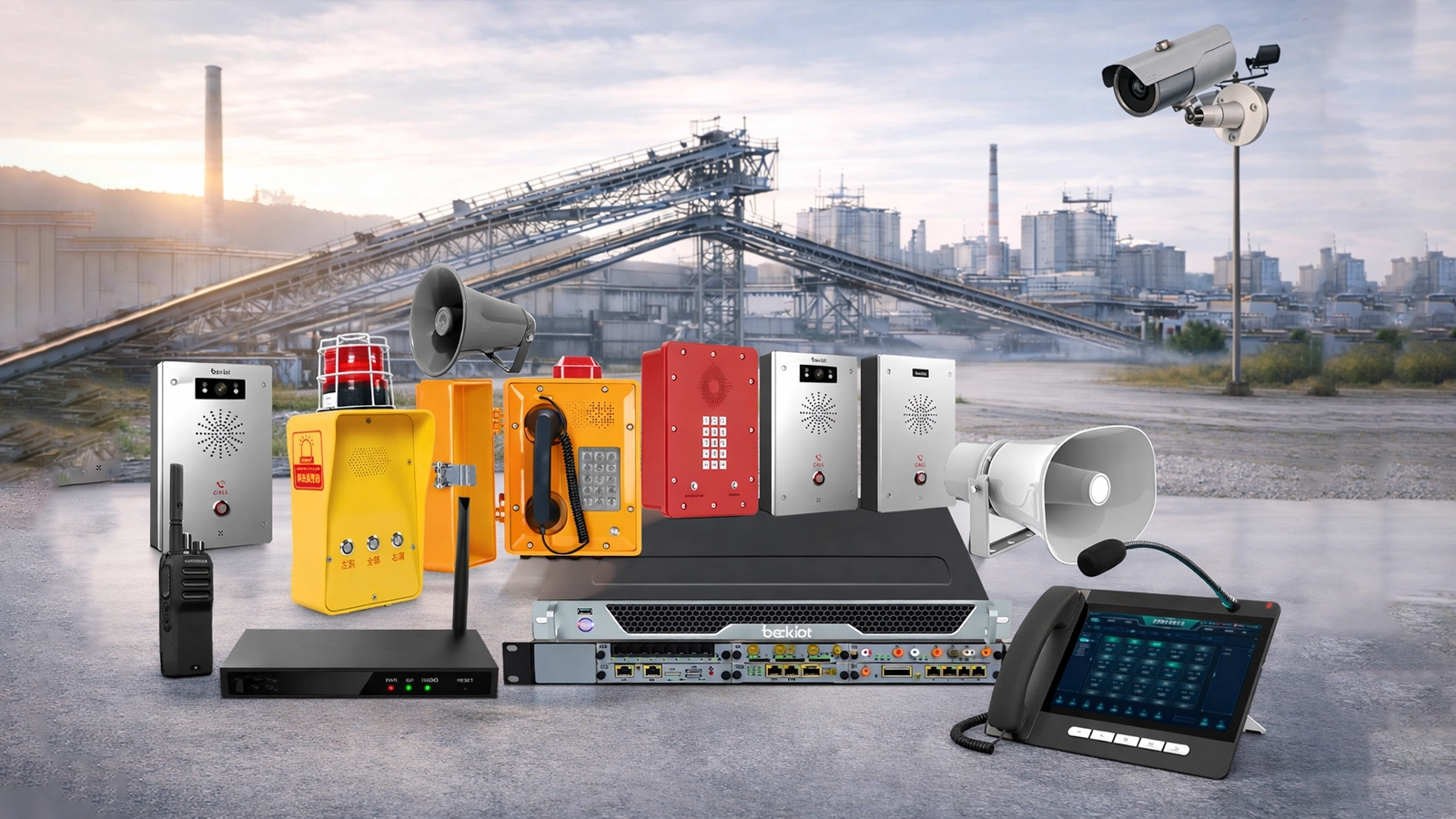
For campuses, hospitals, parking facilities, industrial plants, logistics yards, ports, transport sites, and public spaces, the challenge is rarely just “how to place a help point.” The bigger issue is how to connect field alarms, live voice, operator handling, public warning, video awareness, and responder coordination into one practical workflow. Becke Telcom addresses this need with a solution that combines emergency call boxes, SIP intercom, dispatch consoles, IP broadcasting, video linkage, and trunked radio interoperability.
Solution Overview
From Visible Help Point to Coordinated Response
A Becke Telcom Emergency Call Box System gives people a clear and immediate way to request help in exposed, remote, or high-traffic areas. With one press, the caller can reach a control room, security desk, or designated response team through a hands-free voice connection. The operator can then identify the location, talk to the caller in real time, assess the situation, and initiate follow-up action from a unified platform.
This matters because in critical sites, response speed depends on much more than call setup. The system must also support event visibility, device supervision, escalation logic, and practical coordination with other communication tools. For that reason, our solution is designed to work across both daily assistance scenarios and higher-priority emergency situations.
Built for Real Operational Environments
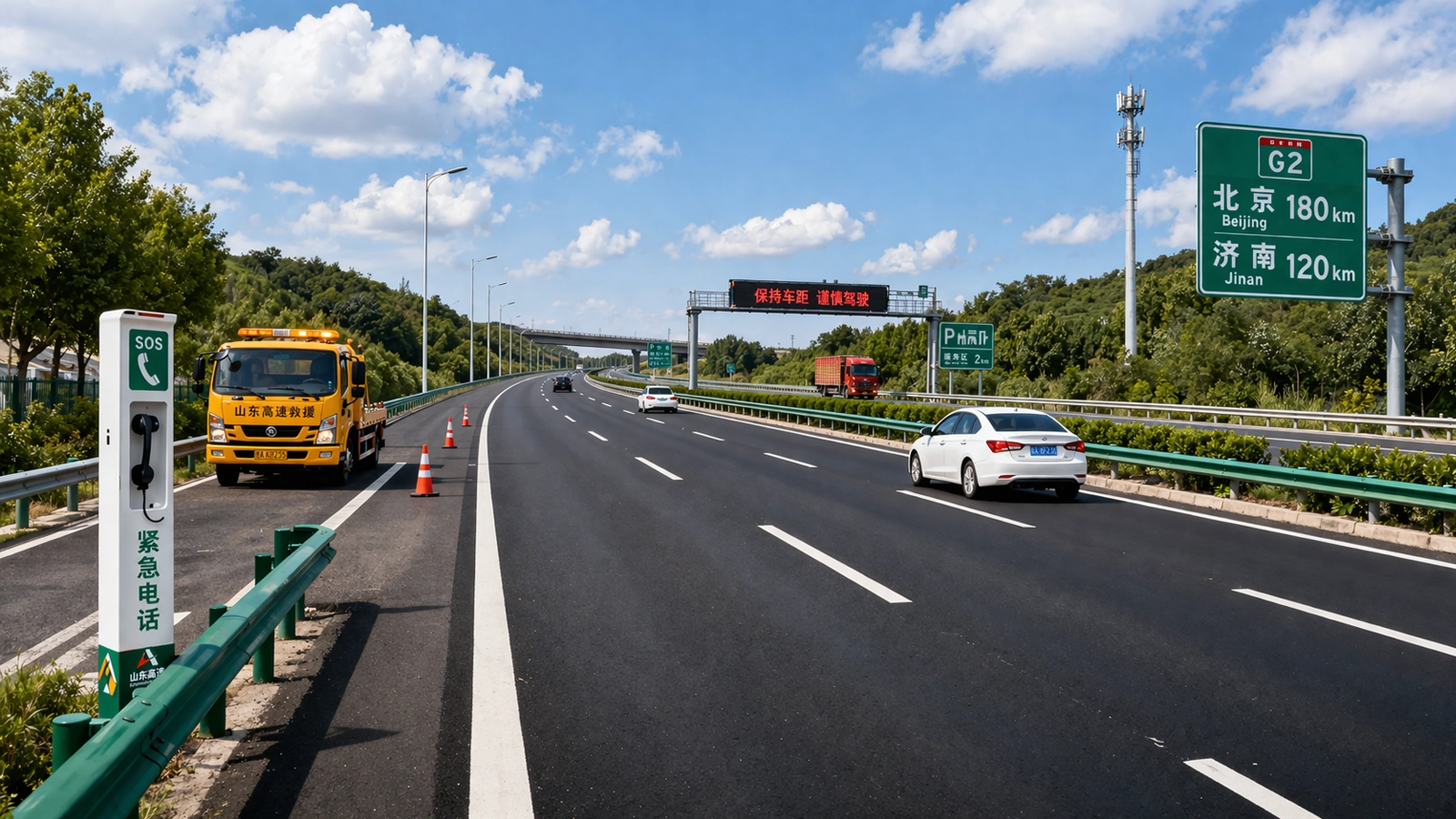
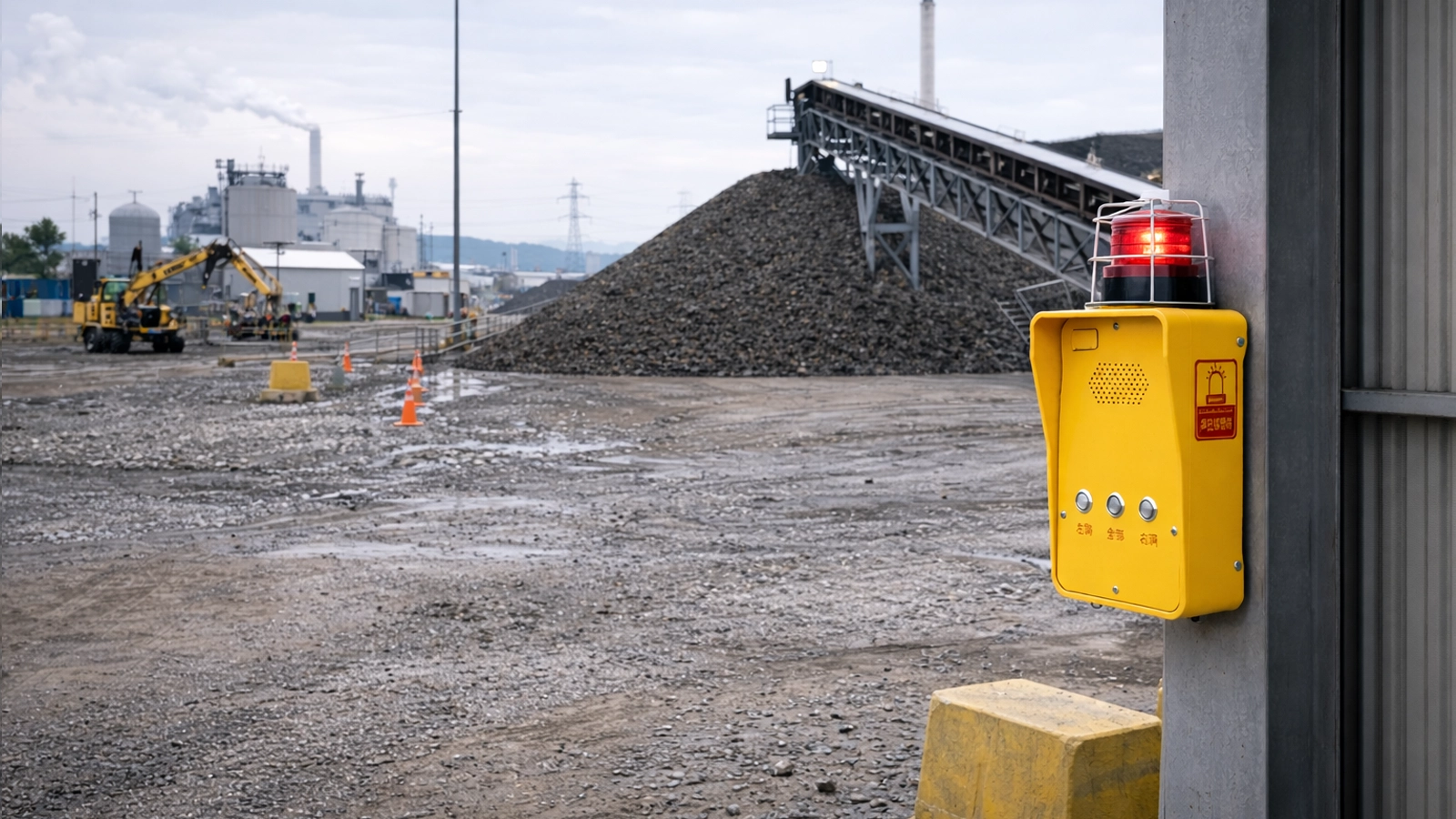
Critical sites often include outdoor zones, building perimeters, remote corners, vehicle entries, stair towers, loading areas, and public circulation paths where people may need help but fixed staff are not always nearby. In these environments, communication equipment must be easy to find, easy to use, and easy for operators to manage. Becke Telcom focuses on visible field deployment and centralized command so that communication remains direct even when the site itself is complex.
The result is not only a safer communication point for the person in distress. It is also a more structured incident-handling tool for the organization, helping security teams reduce confusion, shorten reporting time, and improve coordination across multiple responders and systems.
Related Products in the Becke Telcom Solution
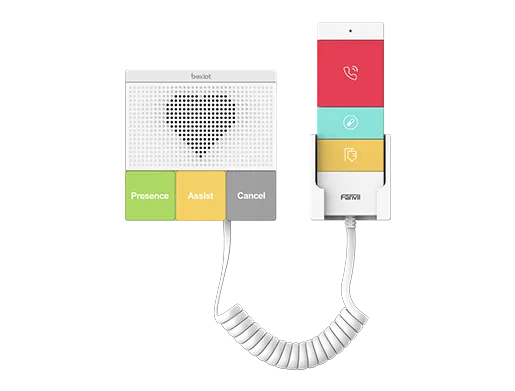
Emergency Call Box and Emergency Call Tower
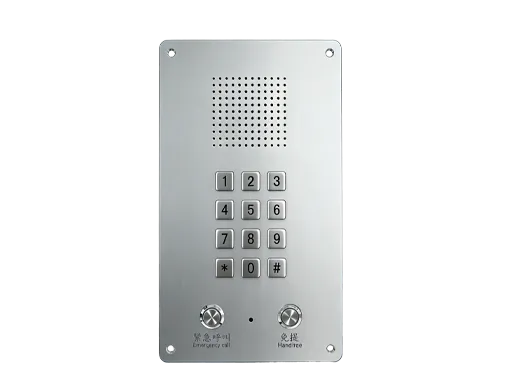
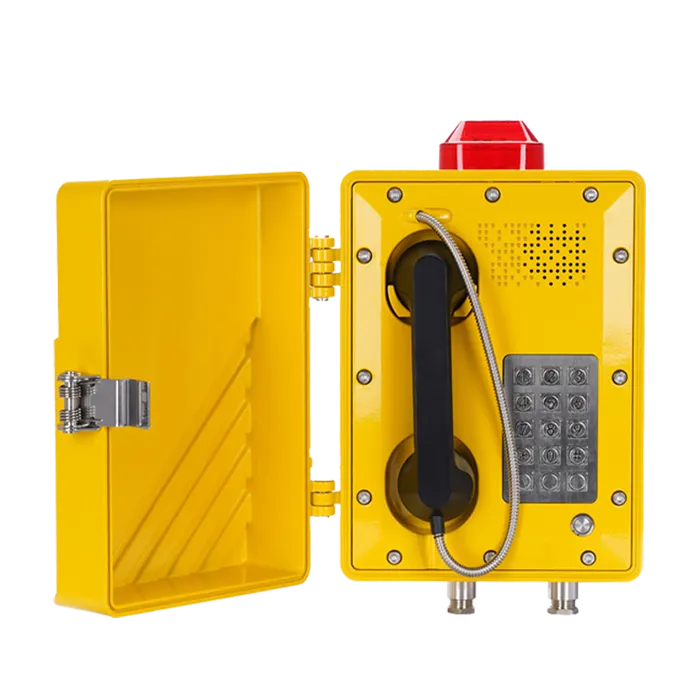
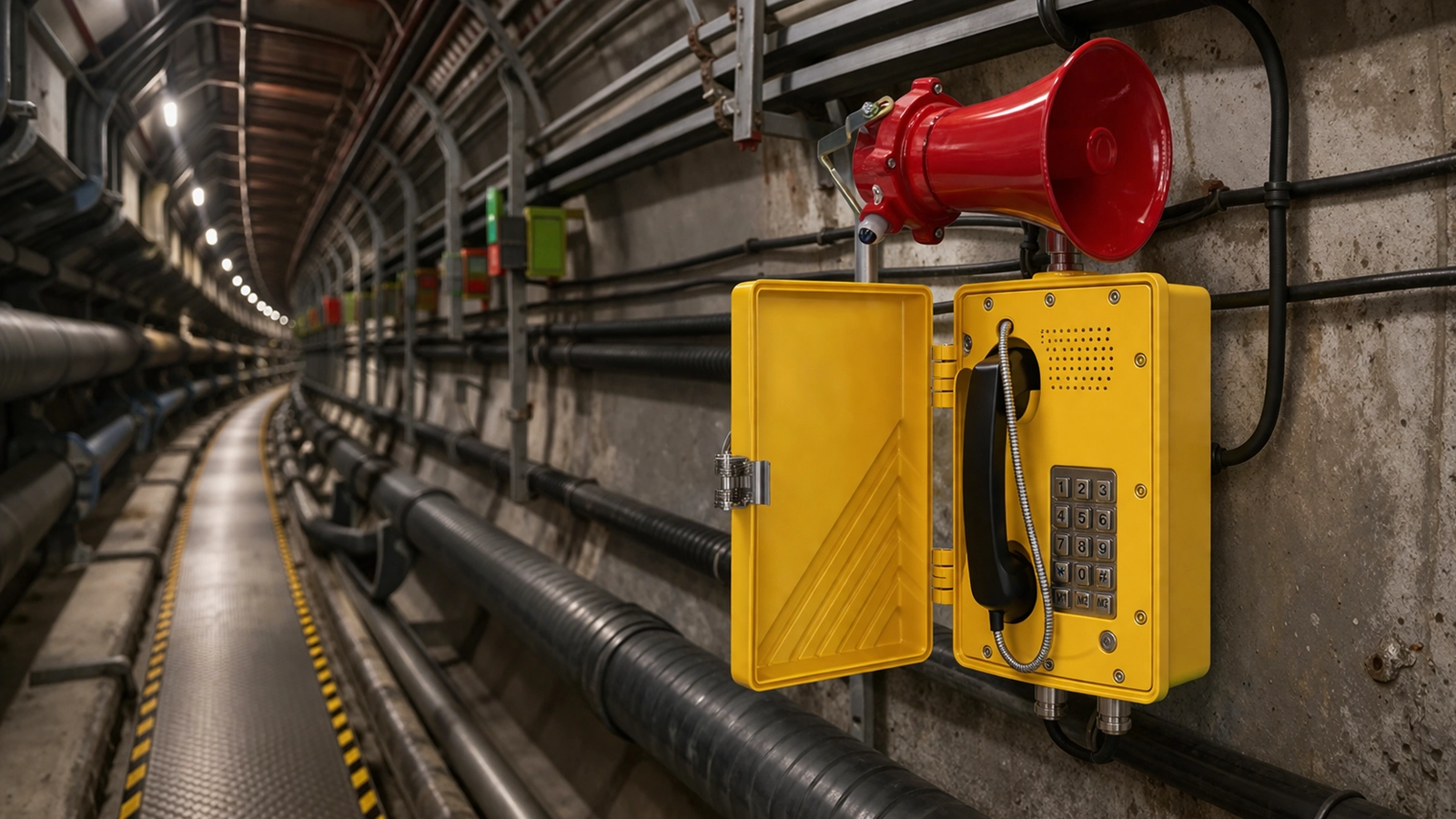
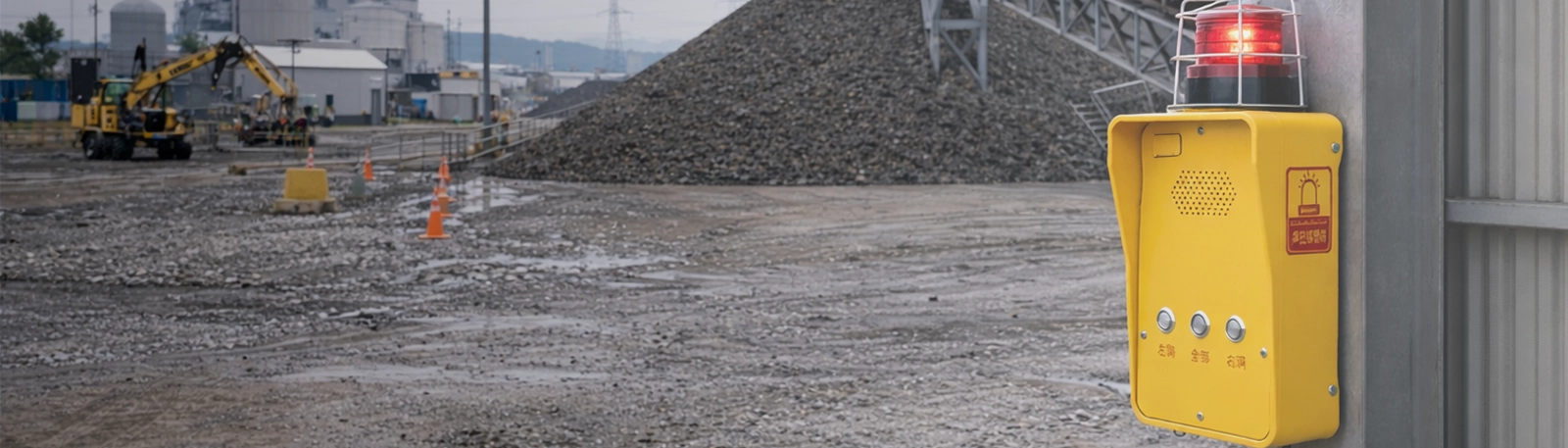
These are the field-facing core products of the solution. Depending on site needs, Becke Telcom can provide tower-style emergency call points, wall-mounted call boxes, or compact emergency communication terminals for entrances, corridors, perimeters, parking areas, and public access zones. Their main role is to create an immediate, visible, and reliable path to help.
Because deployment conditions vary widely, these devices can be selected according to mounting method, visibility requirements, coverage area, and integration depth. In some projects, the emergency call box acts as the primary help point. In others, it becomes part of a wider communication node linked with video, public address, or dispatch workflows.
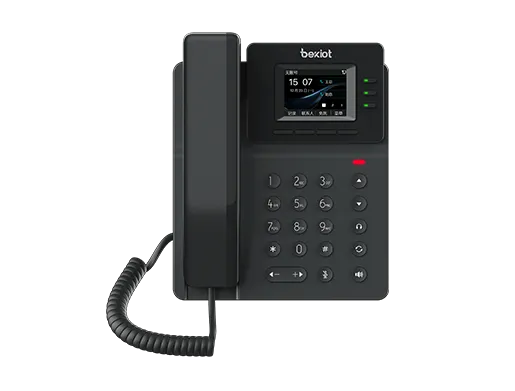
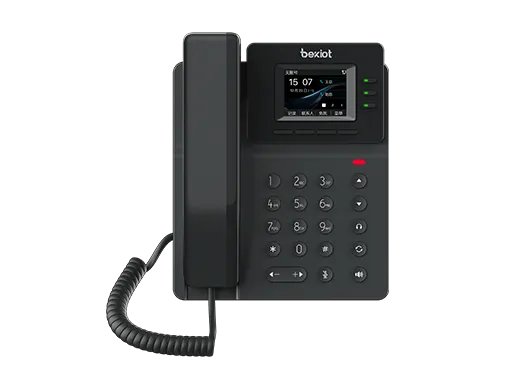
SIP Intercom Terminal
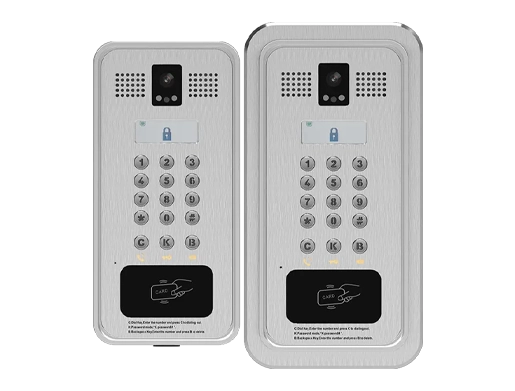
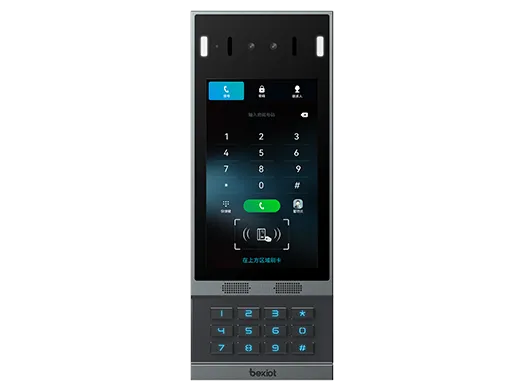
SIP intercom terminals extend the emergency communication network into indoor and semi-controlled areas such as building entrances, passageways, restricted doors, service zones, and protected work areas. They support two-way voice communication over IP networks and allow the emergency communication system to move beyond outdoor call towers.
For many projects, SIP intercom helps unify emergency help points, operational communication, and access-related communication under the same platform. This makes system expansion easier and supports more consistent management across the site.
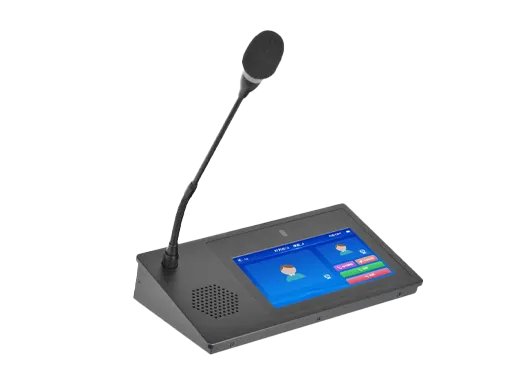
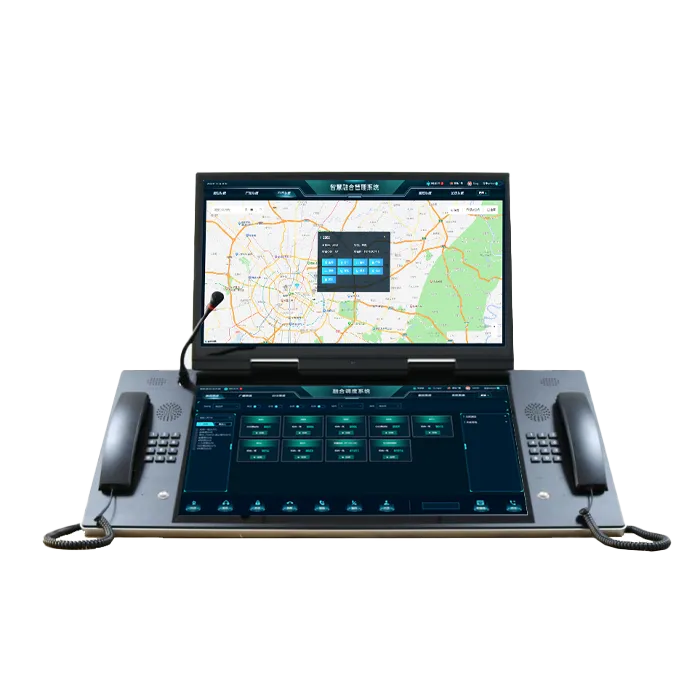
Dispatch Console
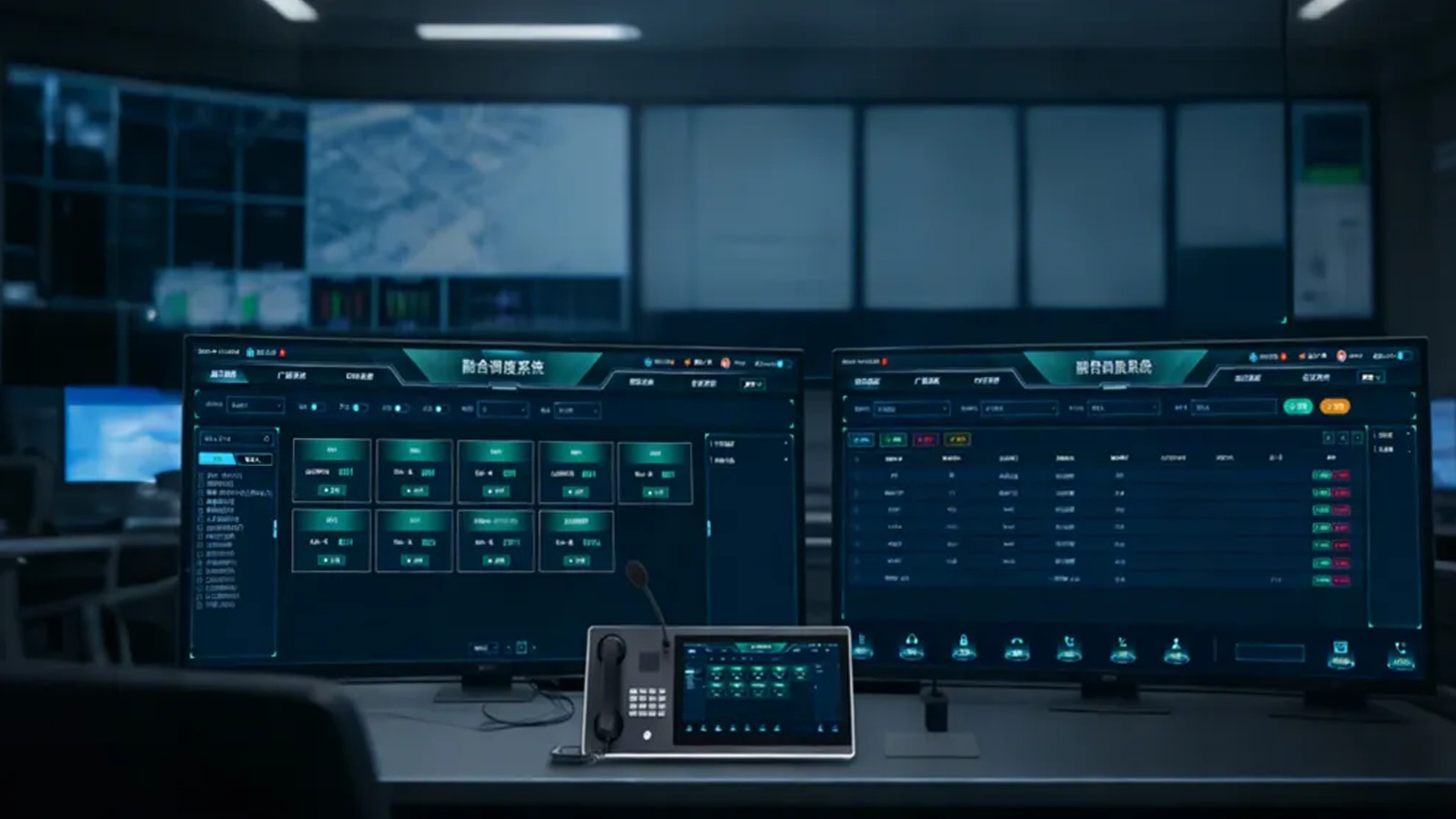
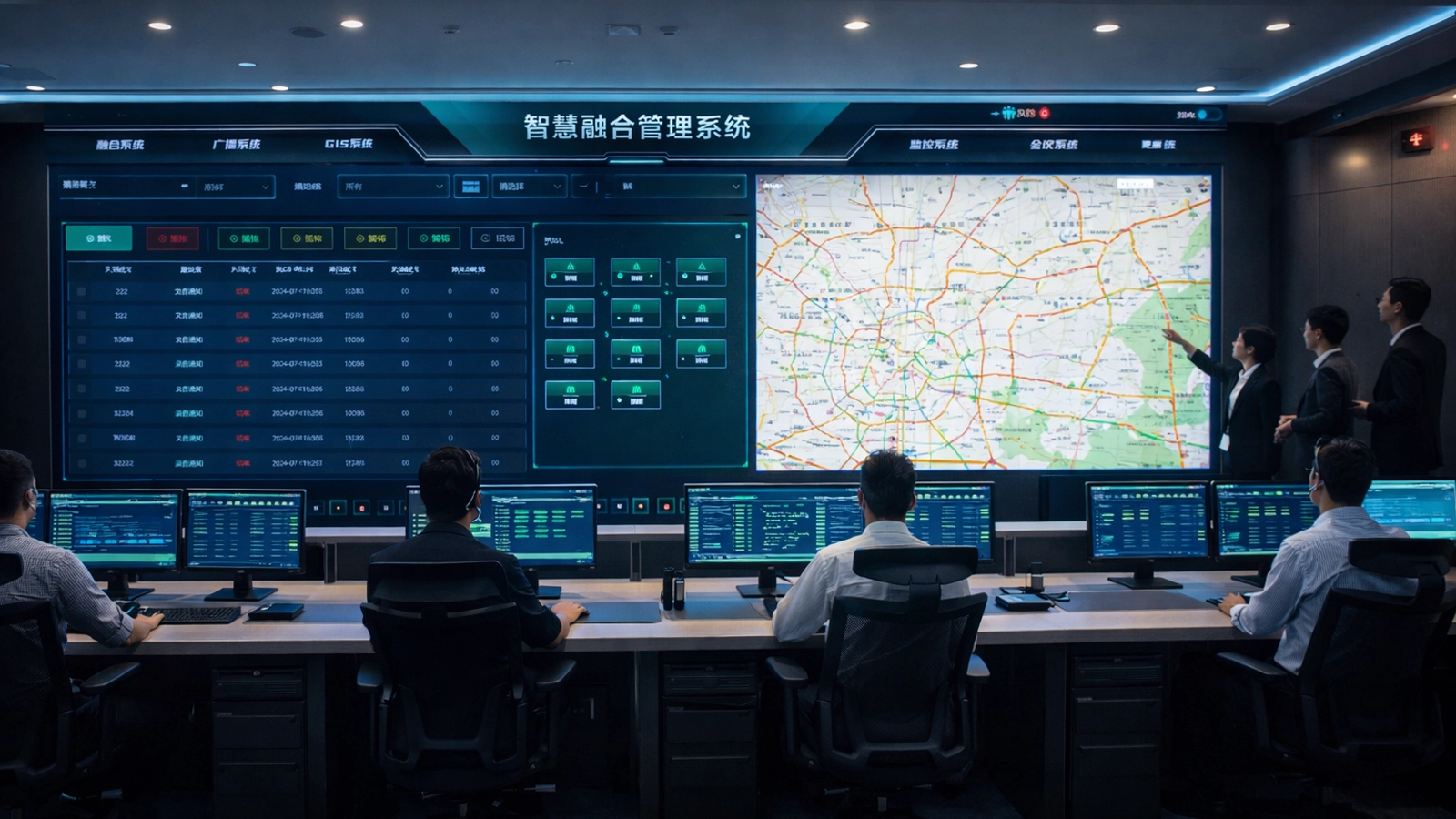
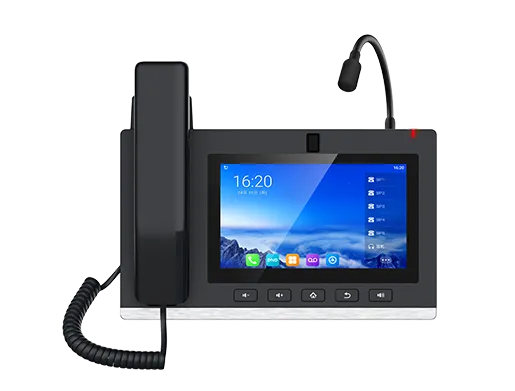
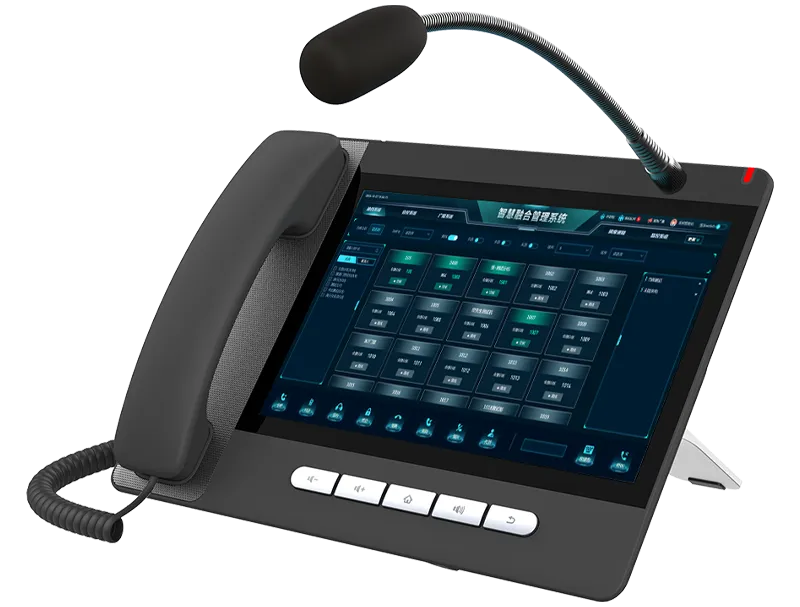
The dispatch console is where field communication becomes actionable. Operators can receive emergency calls, identify the device or area involved, view active alarms, manage priorities, initiate follow-up calls, and maintain event records from a central interface. This is especially important when one control room is responsible for multiple buildings, zones, or sites.
Becke Telcom dispatch consoles are intended to support daily communication handling as well as emergency coordination. Instead of forcing operators to jump between unrelated tools, the console helps organize voice response, event review, and communication control in one operational workflow.
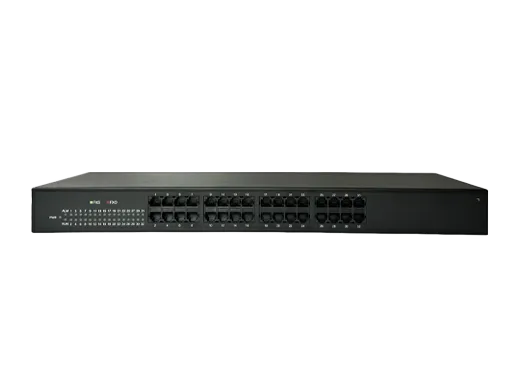
SIP Server / IP PBX
The SIP server or IP PBX provides the signaling and call-control foundation of the solution. It routes calls from emergency call boxes and intercom devices to the correct destination, supports extension plans and operator groups, and makes the system easier to scale as project requirements grow.
With this architecture, the Emergency Call Box System is not limited to one fixed answering point. It can support distributed control rooms, multiple response positions, overflow logic, or broader integration with enterprise communication infrastructure.
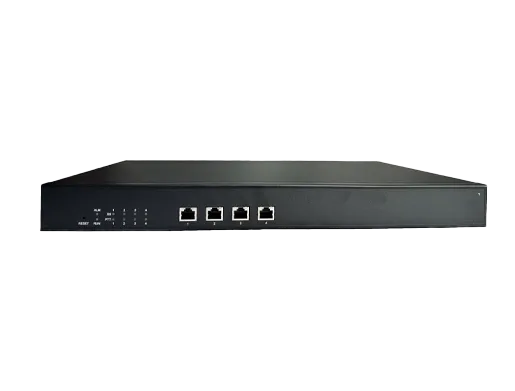
RoIP Gateway and Trunked Radio Interoperability Gateway
For organizations that rely on radio-based field response, Becke Telcom can add RoIP gateways or interoperability gateways to connect the emergency communication platform with trunked radio systems and professional mobile radio networks. This allows operators to move from a fixed call box event into direct coordination with mobile radio users such as security patrols, response teams, maintenance crews, or site supervisors.
This product category is especially valuable in large campuses, industrial sites, ports, utilities, and transport environments where the first responder is often carrying a radio rather than monitoring a desk phone. It helps bridge fixed emergency communications and mobile dispatch operations in a more practical way.
IP Horn Speakers and Public Address Devices
Some incidents require communication beyond the original caller. Becke Telcom can extend the solution with IP horn speakers, paging speakers, and public address devices so operators can issue instructions, warnings, or live announcements to surrounding areas. This supports both local intervention and broader site communication when the situation requires area guidance.
In this way, the emergency communication system becomes more than a help-request tool. It also becomes a means of directing people, protecting nearby zones, and supporting controlled response during evolving incidents.
IP Cameras and Video Linkage
When visual confirmation is needed, the solution can be linked with nearby IP cameras or video platforms. Once a call point is activated, operators can review relevant video, verify the surrounding environment, and make more informed decisions without waiting for a verbal description alone.
Video linkage is particularly useful in open public areas, perimeter zones, parking environments, remote industrial locations, and other places where scene visibility improves both incident understanding and dispatch accuracy.
Core Functional Capabilities
One-Touch Emergency Help Request
The most basic function remains the most important: a person at the site must be able to ask for help immediately. Becke Telcom emergency call boxes are designed to provide a straightforward, low-friction path to communication, which is essential when the user is distressed, unfamiliar with the site, or under time pressure.
This simple interaction helps reduce the delay between incident recognition and operator response. It also improves usability for visitors, contractors, students, passengers, and other temporary users who may not know local contact procedures.
Clear Two-Way Voice Communication
Once the call is answered, live voice communication allows the operator to understand the problem, reassure the caller, and guide them through the next step. This is often more effective than relying on a silent alarm alone because it turns a basic alert into a real-time interaction.
In operational terms, voice quality matters because it supports faster assessment, fewer misunderstandings, and better incident handling. This is particularly valuable in outdoor and industrial environments where conditions may already complicate communication.
Centralized Monitoring and Event Handling
Becke Telcom places strong emphasis on centralized management. Operators need to know which device was activated, whether the terminal is online, what events are active, and how to follow escalation steps without delay. Centralized supervision helps turn many independent field devices into one manageable system.
For the organization, this also improves maintenance visibility, event traceability, and long-term operation. Instead of waiting for a failed terminal to be discovered during an emergency, the team can supervise device health and communication status more proactively.
Video and Alarm Linkage
Emergency communication is stronger when it is linked with surrounding systems. By associating the activated call point with nearby video or related alarm logic, the operator gains faster situational awareness and a better basis for decision-making.
This function is especially useful in larger or more exposed sites, where the operator may not know the area visually and where a few seconds of better understanding can improve both safety and response quality.
Public Address and Area Notification
In some incidents, the goal is not only to answer the caller but also to influence the nearby environment. Public address integration allows control-room staff to deliver live instructions, warnings, or crowd guidance through IP speakers or horn devices connected to the same communication ecosystem.
This expands the value of the solution from point-to-point help access to area-level emergency communication. It is highly useful in campuses, transport sites, industrial yards, and other locations where surrounding people may need direction during a developing event.
Trunked Radio Intercom and Group Dispatch Functions
To support field response beyond fixed devices, Becke Telcom can integrate the Emergency Call Box System with trunked radio and group intercom functions. When a help point is activated, the operator can relay the incident to radio users, connect with patrol teams, or initiate coordinated communication with mobile responders who are already on the move.
This capability is important because many critical sites depend on mixed communication resources. Security staff may use radios, maintenance personnel may carry mobile terminals, and control-room operators may work from SIP dispatch positions. By linking these layers together, Becke Telcom helps customers create a more unified command path from alarm point to field response.
How the System Works in Practice
A Practical Incident Workflow
A person at a parking structure, public entry, campus pathway, industrial yard, or hospital outer zone presses the emergency call button on a Becke Telcom device. The call is sent immediately through the SIP communication layer to the designated control room or dispatch position. The operator answers the call, speaks with the user, and identifies the location of the activated terminal.
If video linkage is enabled, the relevant camera view can be reviewed at the same time. If the event requires wider action, the operator can forward information to radio teams, issue a paging announcement, notify a supervisor, or move the event into a broader incident-handling process. What looks simple in the field is supported by structured communication behind the scenes.
From Alarm Receipt to Team Coordination
The real operational value appears after the first voice connection. A mature Emergency Call Box System should not stop at answering a call. It should help the organization move into organized response. That means assigning the right people, keeping the communication path open, and using the correct communication channel for each responder group.
By adding dispatch, SIP intercom, public address, and trunked radio interoperability, Becke Telcom enables the system to work not just as an emergency endpoint network but as a practical coordination platform for security and response operations.
Typical Application Scenarios
Campuses and Education Sites
Campuses often combine large outdoor areas, student circulation routes, open parking zones, building entrances, and residence surroundings. Emergency call boxes create highly visible help points in these locations and support faster connection to campus security or facility response teams.
When integrated with dispatch, paging, and radio communication, the solution also helps staff coordinate incidents more effectively across a wide and decentralized property.
Hospitals and Medical Campuses
Hospitals require immediate assistance access not only inside buildings but also across visitor approaches, staff parking, remote outer structures, and after-hours circulation areas. Emergency call points help provide reassurance and practical response coverage in places where vulnerable users may need direct support.
Because medical campuses often have mixed operational teams, the addition of SIP communication and radio interoperability can improve coordination between security, facilities, and other support personnel.
Parking Areas and Public Access Zones
Parking structures and surface parking lots are common environments for visible emergency communication points. In these areas, speed of access and location clarity are especially important because callers may be isolated, uncomfortable, or unfamiliar with the site.
A Becke Telcom solution strengthens both public reassurance and operator readiness by combining visible help points with centralized event handling and optional camera linkage.
Industrial Sites, Ports, and Logistics Yards
In industrial and logistics environments, emergency communication must often work across longer distances, noisier areas, and more dispersed work patterns. Fixed emergency call points provide dependable communication anchors where relying only on mobile devices may be impractical.
These sites also benefit strongly from trunked radio intercom functions, since many field responders already depend on radio communication as their primary coordination tool.
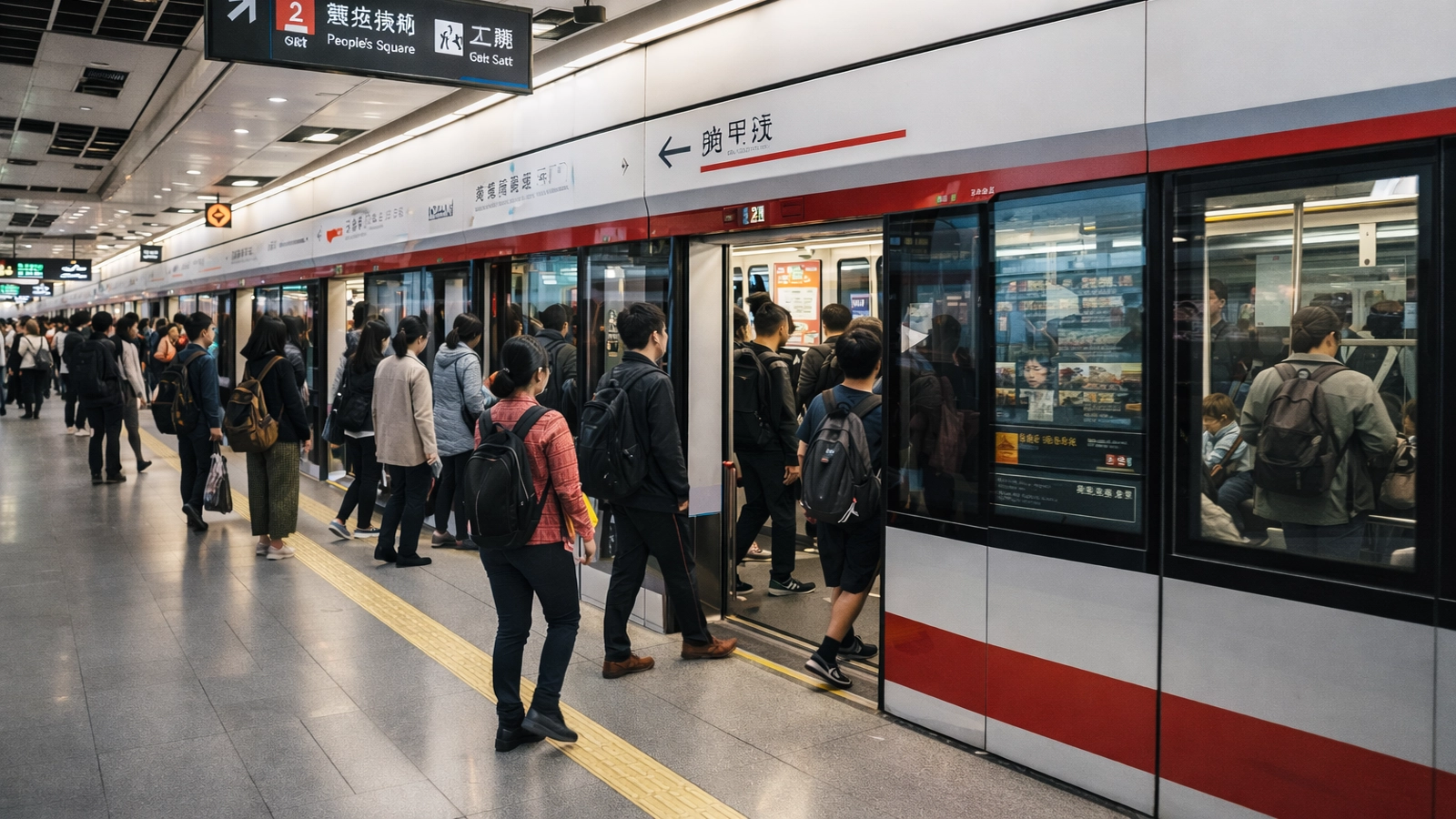
Transport Facilities and Public Infrastructure
Transport-related sites such as platforms, waiting areas, public corridors, depots, and access zones require communication that is easy for the public to use and easy for operators to control. Emergency call points support direct help access while also fitting into broader site supervision and passenger assistance workflows.
When integrated with public address and dispatch functions, the system can support both individual help requests and wider operational announcements when conditions change quickly.
Why Becke Telcom
Open Architecture with Practical Integration
Becke Telcom builds communication systems around open and interoperable design principles. By using SIP-based architecture and by supporting integration with dispatch, intercom, broadcast, video, and radio communication resources, we help customers avoid isolated subsystems and create solutions that are easier to expand over time.
This is especially important for organizations that need both immediate emergency communication and a long-term platform strategy for multiple sites, departments, or operational technologies.
From Devices to Complete Solutions
Our value is not limited to one product category. Becke Telcom can provide the field devices, communication servers, dispatch positions, interoperability gateways, and supporting products needed to turn emergency help points into a real response system. That gives customers a more consistent path from project design to operational use.
Instead of treating emergency communication, paging, and radio coordination as separate topics, we help combine them into one solution that better matches how critical sites actually operate.
Conclusion
An Emergency Call Box System should do more than allow someone to place a call. It should help the organization receive the event clearly, understand it quickly, and coordinate the right response without wasting time. That requires more than a visible help point. It requires a connected communication framework behind it.
With Becke Telcom, customers can build that framework by combining emergency call boxes, SIP intercom, dispatch consoles, public address devices, video linkage, and trunked radio interoperability into one practical solution for critical sites. The result is a safer communication environment, stronger response coordination, and a system that remains useful long after installation.
FAQ
What is an Emergency Call Box System used for?
An Emergency Call Box System is used to provide fast and visible access to help in locations where immediate communication matters. It allows a user to contact a control room, security desk, or response team with a single action while helping operators identify the location and organize a faster response.
How is this different from a standalone emergency phone?
A standalone emergency phone typically provides only a direct call path. A Becke Telcom Emergency Call Box System is broader in scope because it can include SIP intercom, centralized dispatch, public address, video linkage, device supervision, and radio interoperability as part of the same solution.
Can Becke Telcom connect emergency call boxes with SIP systems?
Yes. Becke Telcom supports SIP-based design, making it possible to integrate emergency call boxes with SIP servers, IP PBX platforms, dispatch consoles, indoor intercom devices, and other IP communication resources within the same system architecture.
Can the system be linked with trunked radio or two-way radio users?
Yes. By adding RoIP gateways or interoperability gateways, Becke Telcom can connect fixed emergency communication points with radio-based field teams. This helps operators coordinate more efficiently with patrol staff, maintenance personnel, or mobile responders during an incident.
Can the system support both indoor and outdoor deployment?
Yes. The solution can include outdoor emergency call towers, wall-mounted call boxes, indoor help points, SIP intercom stations, and related products according to the environment and operational requirement of the site.
Which industries or sites are a good fit for this solution?
The solution is well suited for campuses, hospitals, parking facilities, industrial plants, logistics yards, ports, transport environments, public infrastructure, and other critical sites where visible help access and coordinated emergency communication are important.
Can the solution be expanded later?
Yes. Customers can start with core emergency call points and later extend the solution with dispatch consoles, SIP servers, paging speakers, video linkage, RoIP gateways, or broader site coverage as operational needs evolve.
Get in Touch
Reliable emergency communication starts with the right field devices and the right communication design behind them. Becke Telcom helps organizations build Emergency Call Box solutions that are easier to deploy, easier to manage, and better aligned with real operational response needs.
If you are planning a new project or upgrading an existing site, Becke Telcom can support you with emergency call boxes, SIP intercom, dispatch consoles, public address integration, trunked radio interoperability, and complete communication solution design for critical environments.