touchpoint

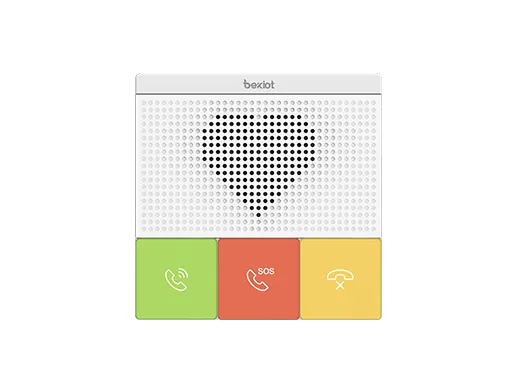
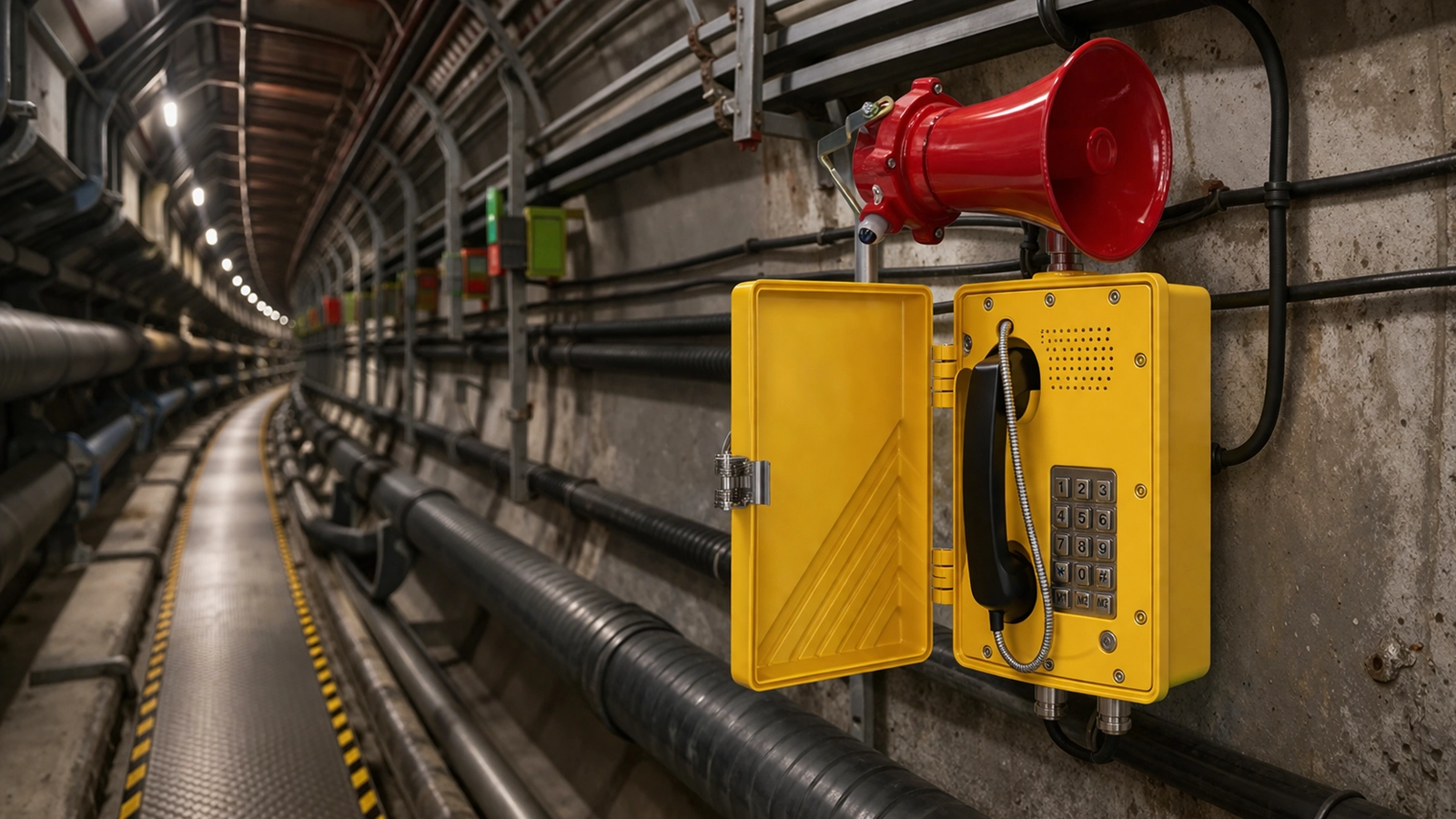
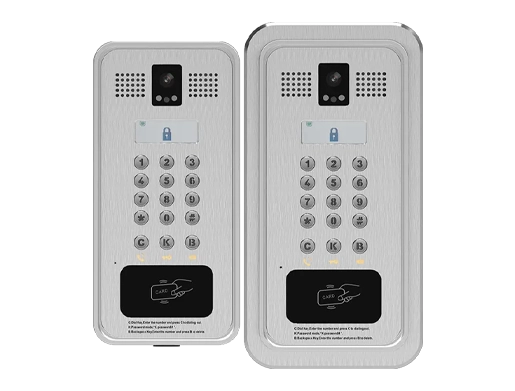
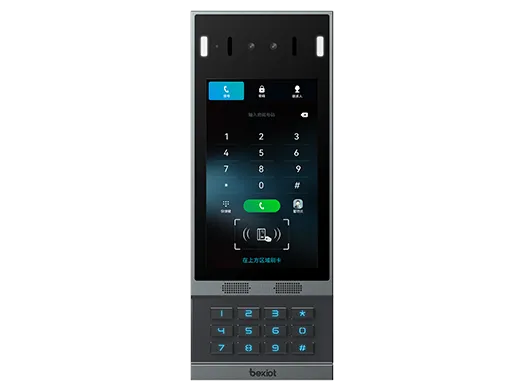
In addition to terminal devices, all personnel, places, and things connected to the network should also be considered.

View Details

resource

Understand best practices, explore innovative solutions, and establish connections with other partners throughout the Baker community.


×

touchpoint

touchpoint

In addition to terminal devices, all personnel, places, and things connected to the network should also be considered.

Learn more

resource

resource

Understand best practices, explore innovative solutions, and establish connections with other partners throughout the Baker community.
Contact Us

Features & Advantages

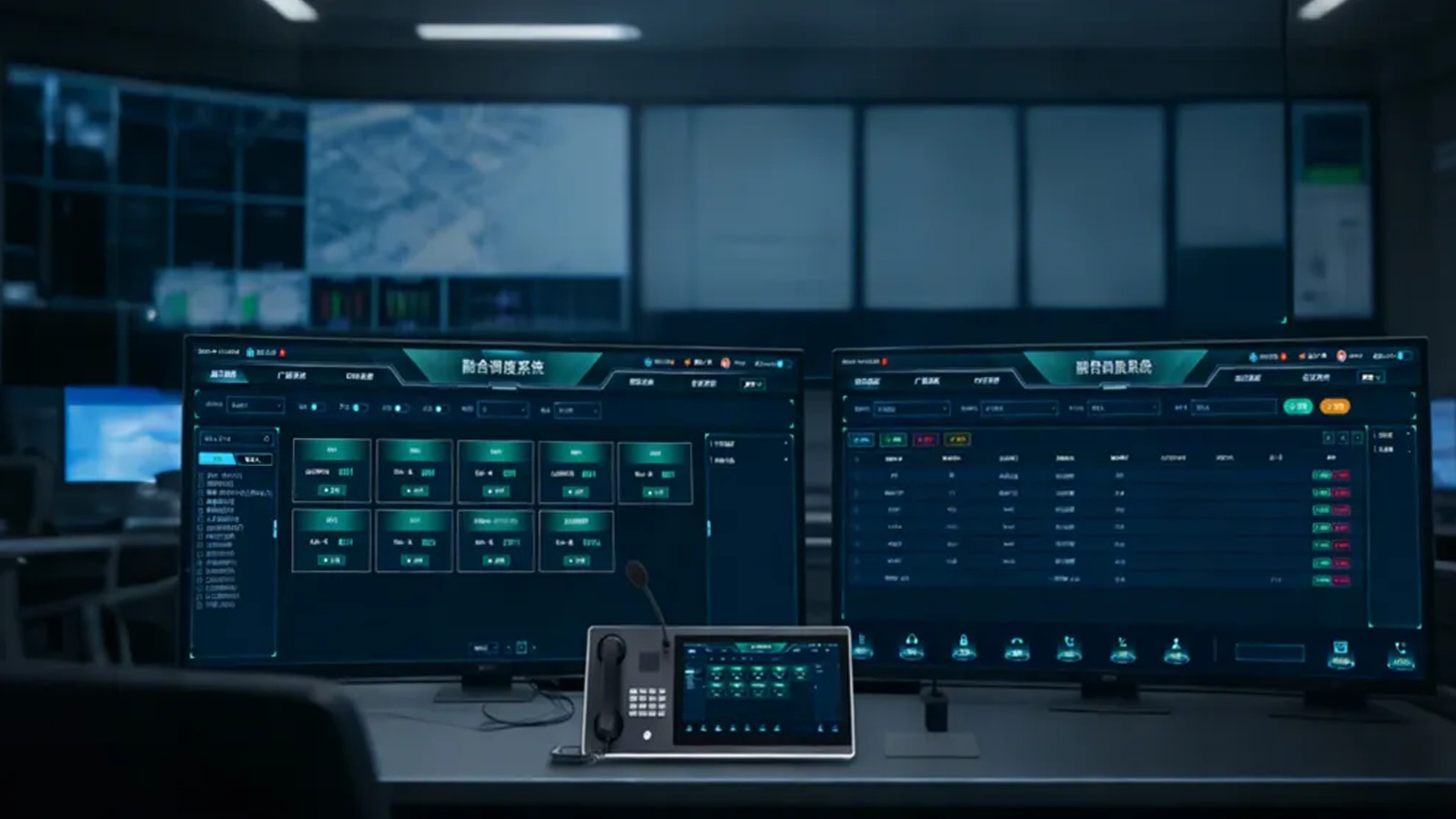
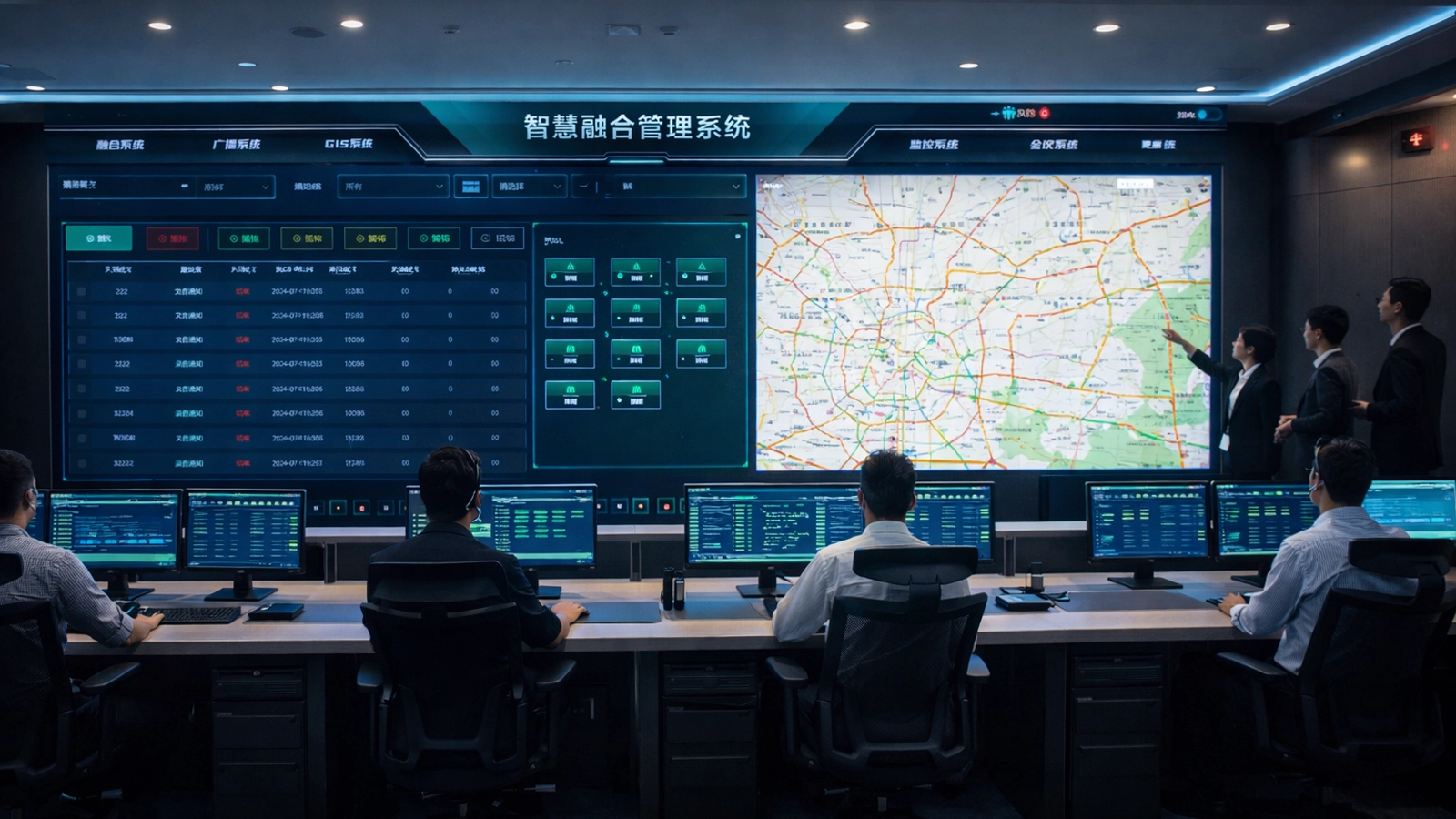
The system integrates prison intercom, emergency help points, public address, alarm triggering, and centralized dispatch into one secure architecture. It supports rapid officer coordination, zone-based communication, emergency broadcasting, incident reporting, and real-time command center response. Suitable for cell blocks, guard posts, perimeter areas, access points, medical rooms, and internal corridors, it improves operational control, communication reliability, and overall facility safety.

One-Touch Emergency Alarm and Rapid Incident Escalation

One-Touch Emergency Alarm and Rapid Incident Escalation

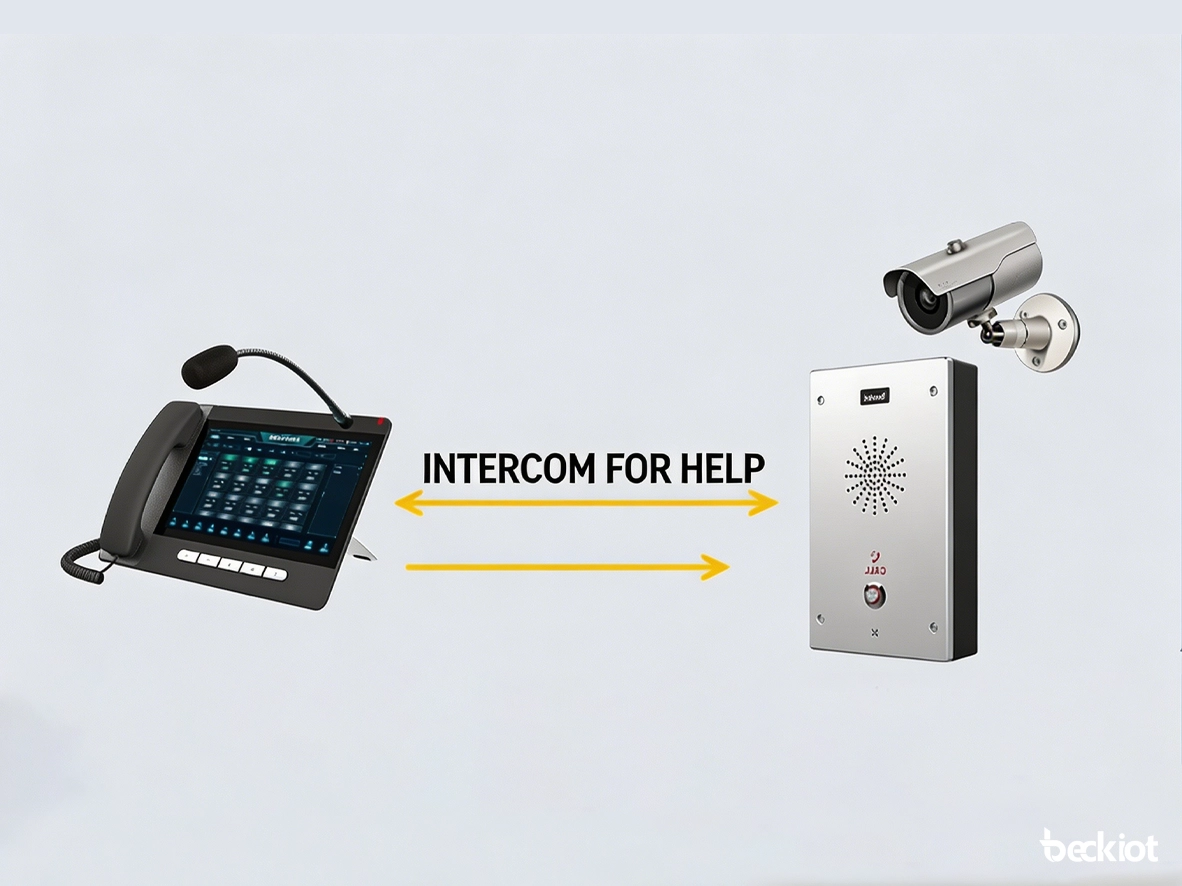
The system enables officers, staff members, control posts, perimeter points, workshops, healthcare rooms, and restricted areas to trigger a one-touch emergency alarm instantly. Once activated, the platform identifies the exact alarm point, pushes the event to the control room, opens the corresponding camera view, and launches the predefined escalation workflow. This supports the rapid-response logic widely used in modern correctional emergency management.

Unified Voice, Intercom, Radio, and Public Address

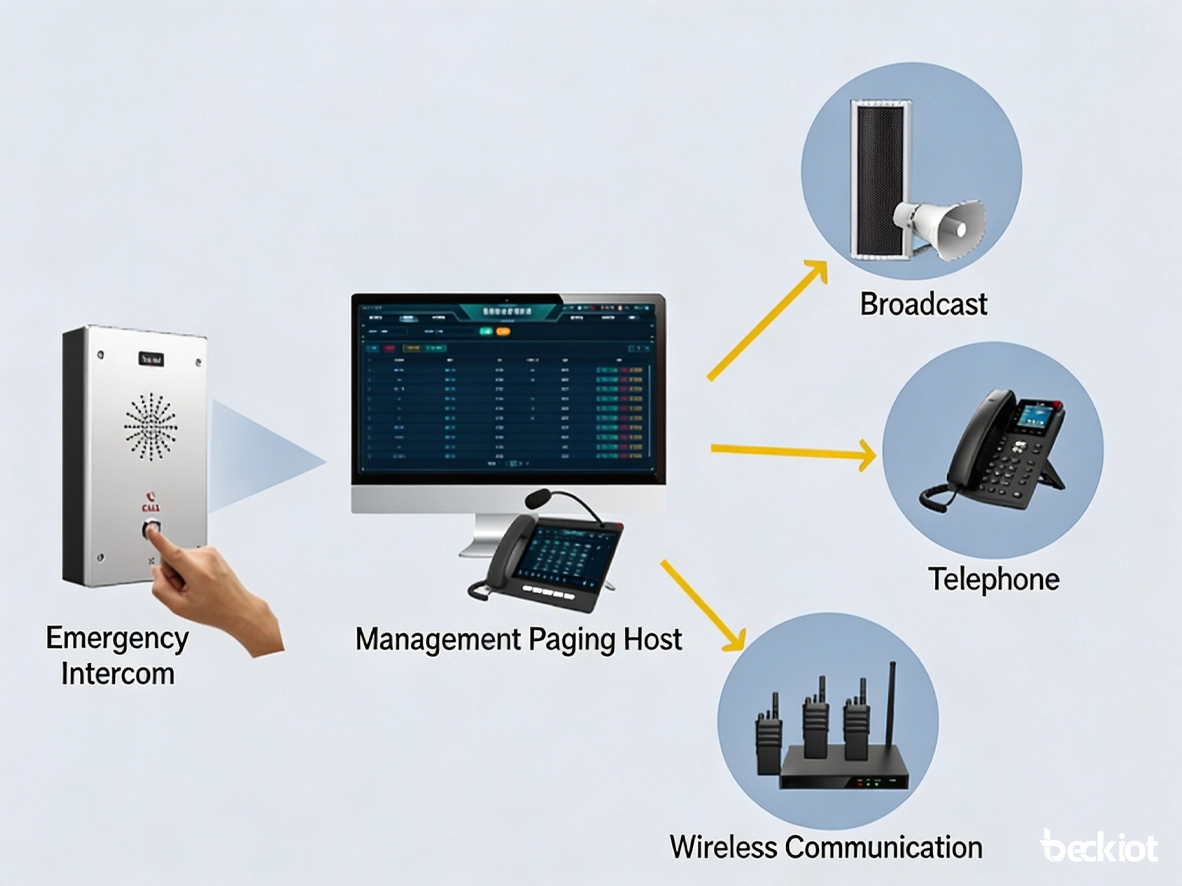
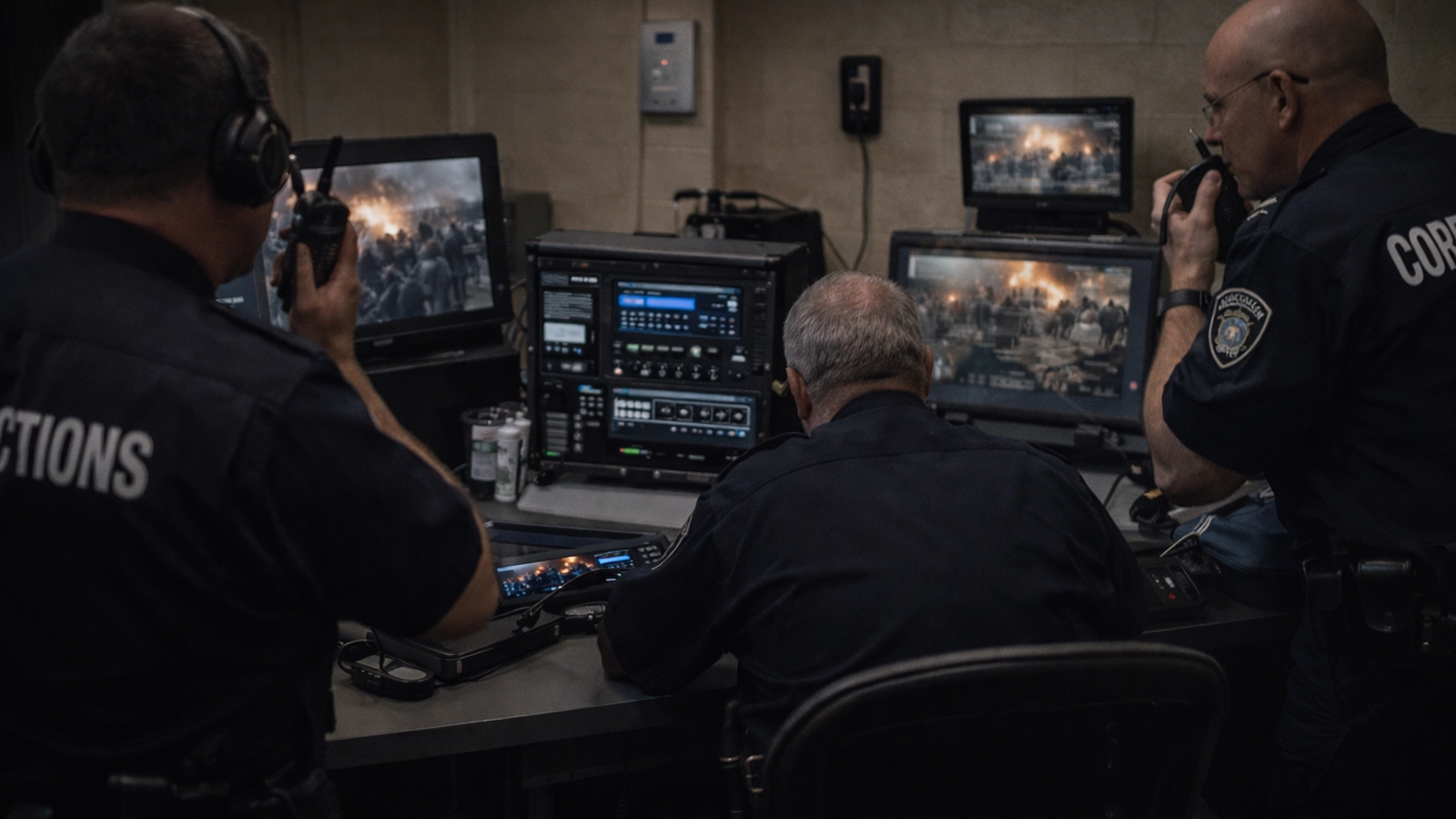
The platform converges secure telephony, emergency intercom, officer radio communications, paging, and public address into one command interface. Control room operators can handle individual calls, group calls, emergency broadcasts, radio dispatch, and command announcements without switching between isolated systems. In U.K. prison guidance, the communications room is expected to control the radio net, manage initial emergency response, maintain contingency awareness, and record incidents, which strongly supports this unified design approach.

Unified Voice, Intercom, Radio, and Public Address
 Video Verification and Multi-System Event Linkage

Video Verification and Multi-System Event Linkage

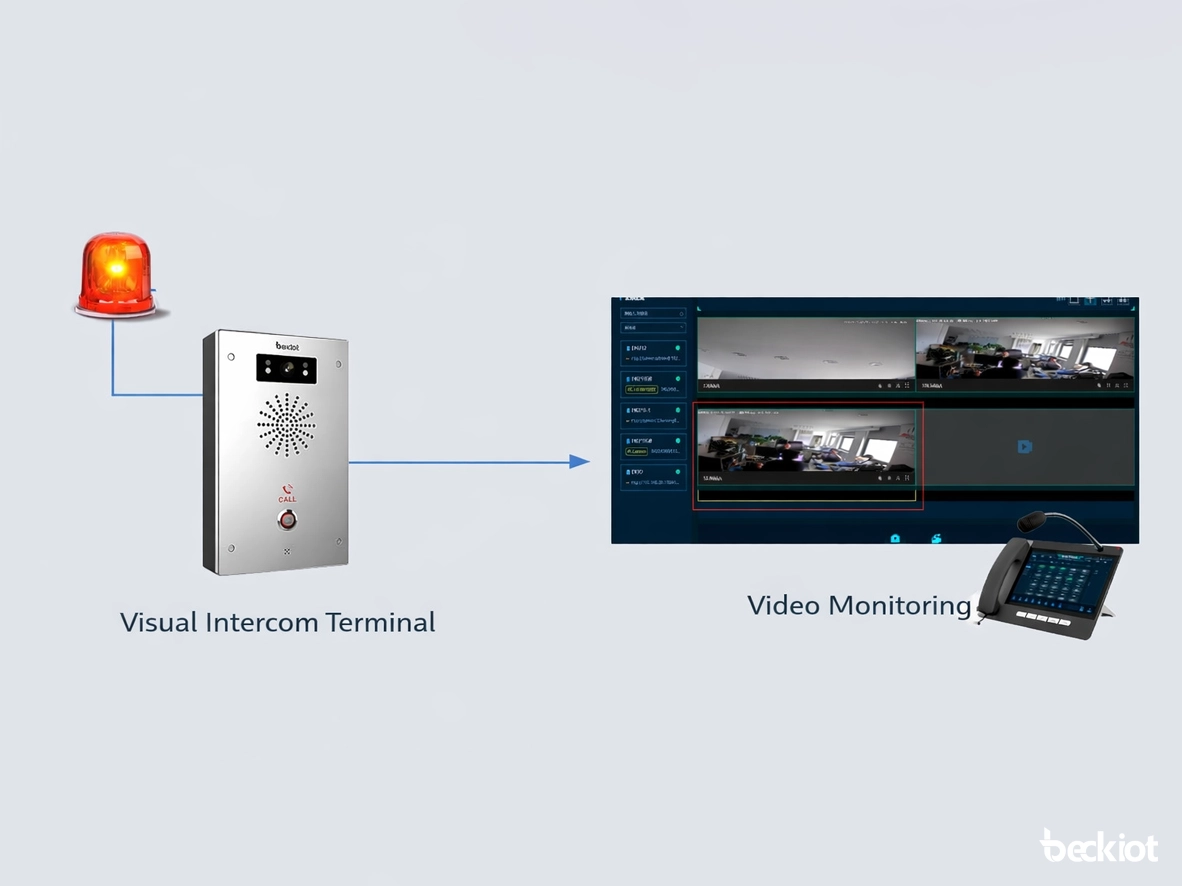
When an alarm is triggered, the system automatically links the relevant CCTV views, nearby cameras, and event data to the dispatcher’s console. This allows operators to verify the incident before escalating resources, issue live talk-down instructions when permitted, and preserve a complete incident timeline. Your source materials already describe this voice-video-alarm linkage as a core value of the solution.

Structured Command and Multi-Agency Coordination

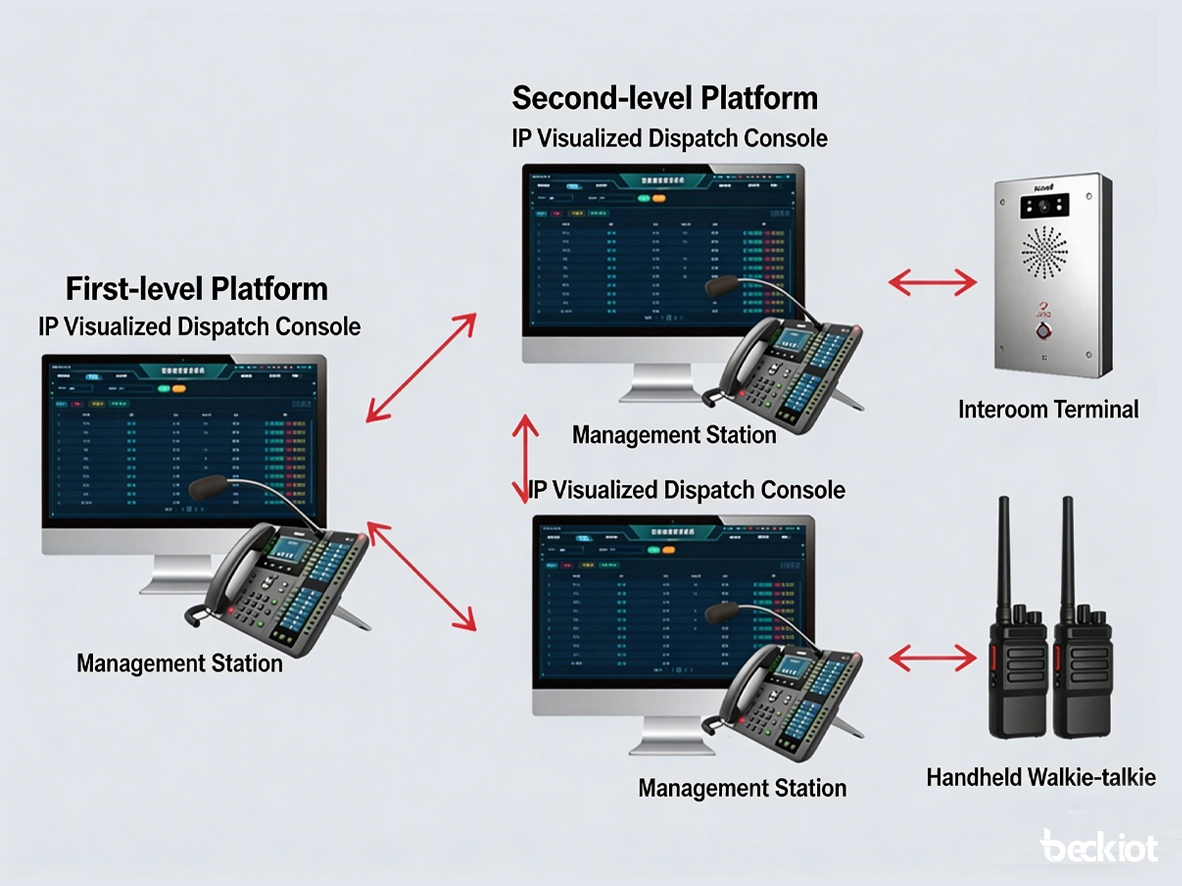
The solution supports hierarchical incident handling, from routine officer assistance calls to major disturbances, fires, escapes, and lockdown operations. Supervisors, tactical teams, medical staff, fire response, and external law enforcement partners can be pulled into a secure conference or incident bridge under a structured command model. This aligns with U.S. correctional emergency management practice, which increasingly emphasizes all-hazards planning and ICS/NIMS-based coordination.

Structured Command and Multi-Agency Coordination
Mobile Command and Operational Continuity

Mobile Command and Operational Continuity

The system extends command capability beyond the main control room through secure mobile clients, rugged handheld devices, remote dispatch seats, and field supervisor terminals. Even if the control room is under pressure or partially degraded, authorized staff can continue communications, incident coordination, and field command. This matches the continuity and emergency operations mindset used in U.S. correctional preparedness and contingency planning.

Full Recording, Audit Trail, and After-Action Review

All emergency calls, operator actions, conference sessions, linked camera events, dispatch actions, and response timelines can be recorded and archived for evidence, compliance, training, and post-incident review. U.K. prison communications-room guidance emphasizes maintaining records of occurrences, while U.S. correctional emergency planning also stresses documented procedures, contingency plans, and institutional review.

Full Recording, Audit Trail, and After-Action Review

System Architecture

Endpoints
Integration Layer
Core Platform
Command Layer
Secure Infrastructure
Endpoints

Endpoints

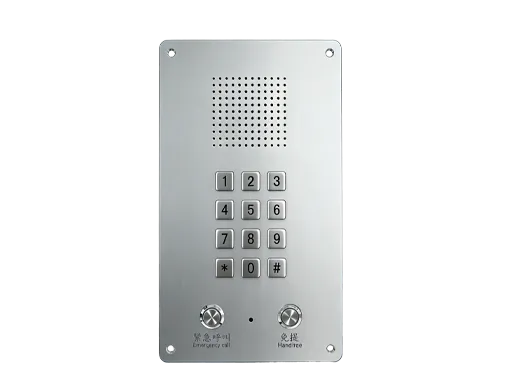
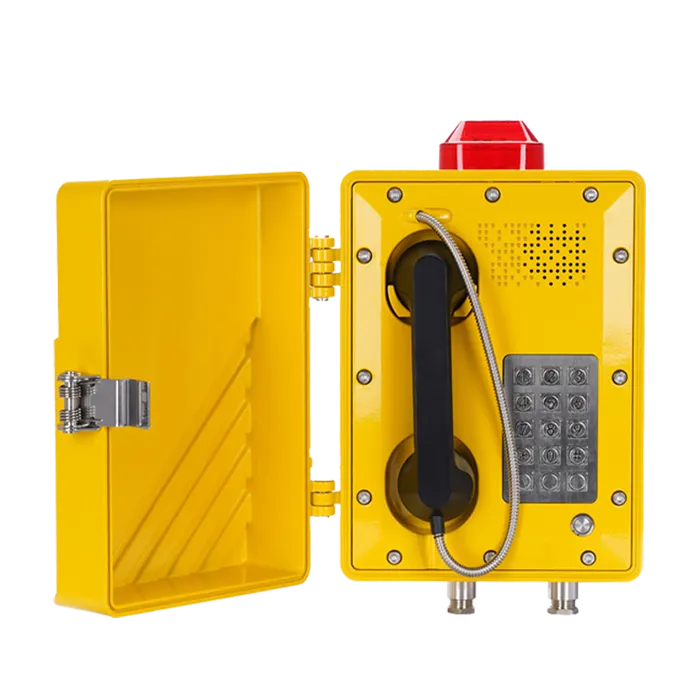
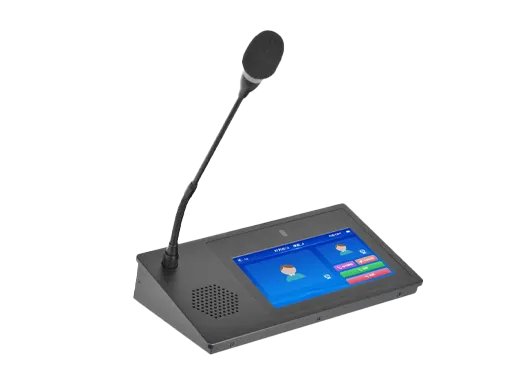
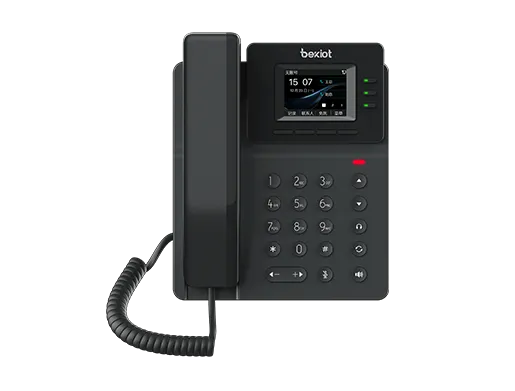
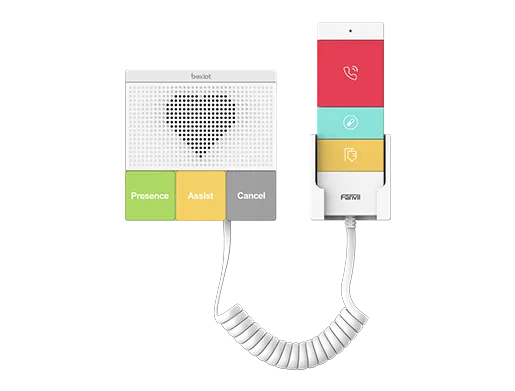
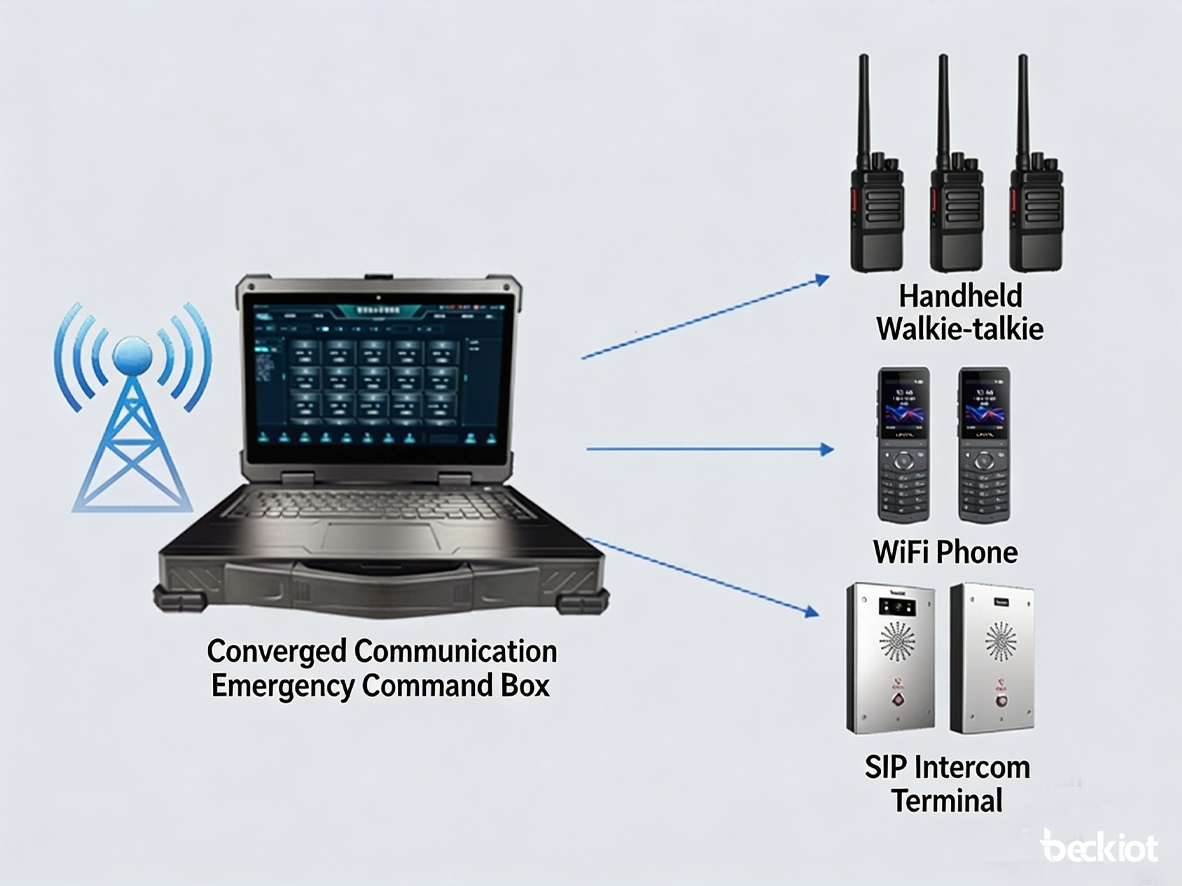
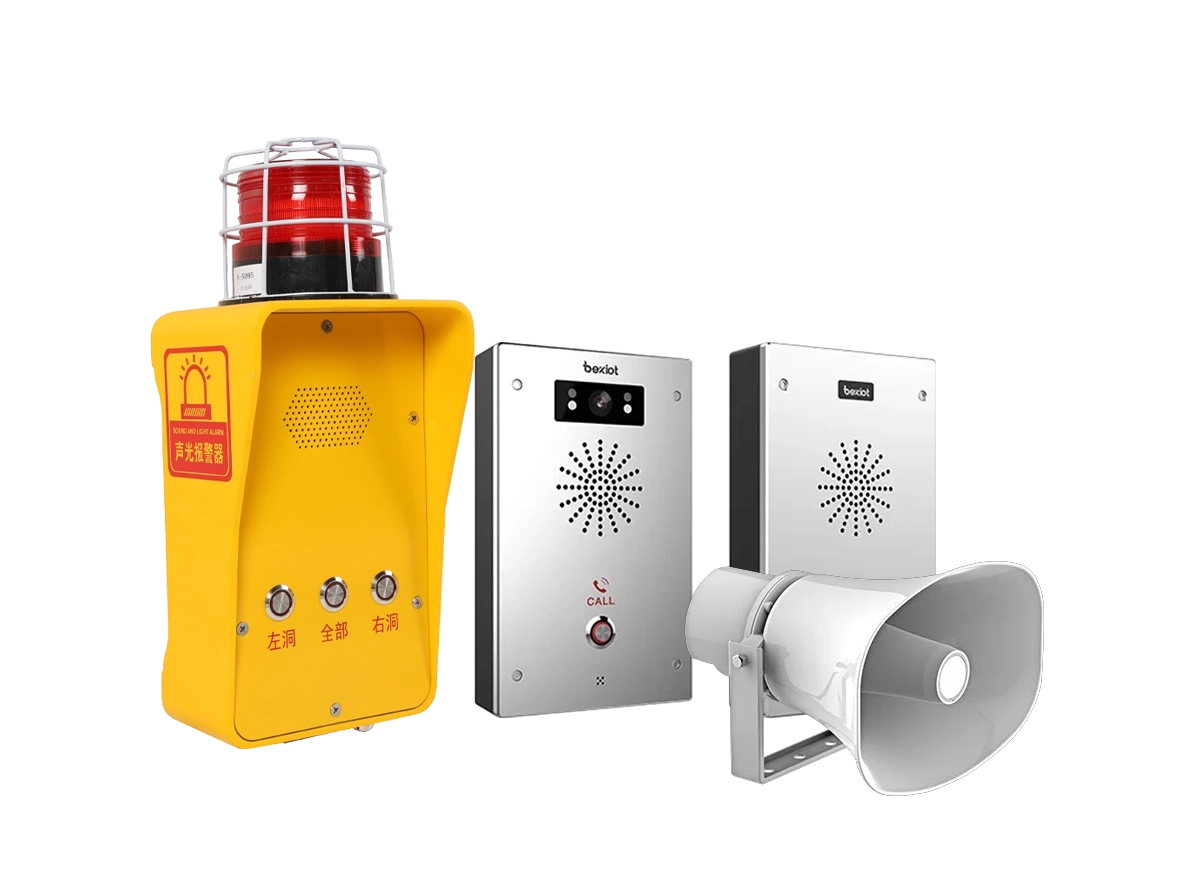
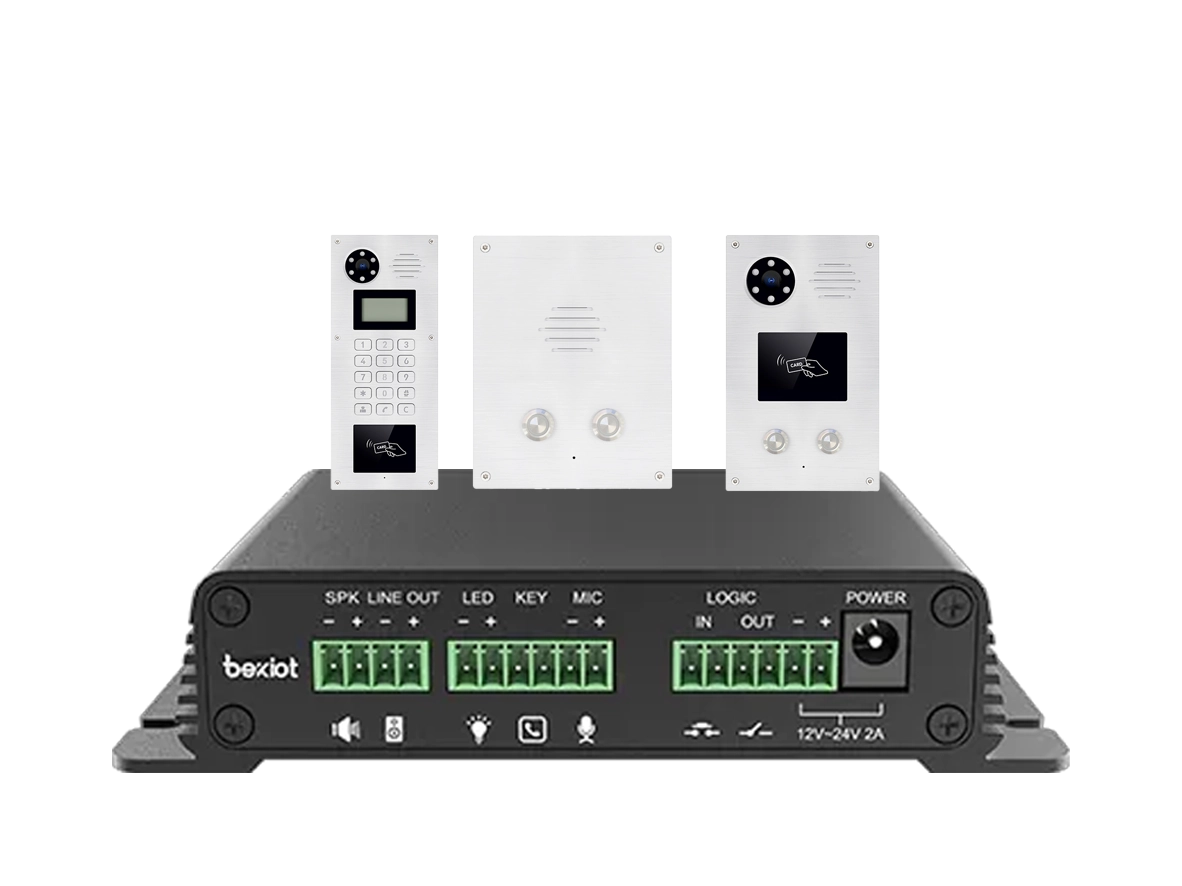
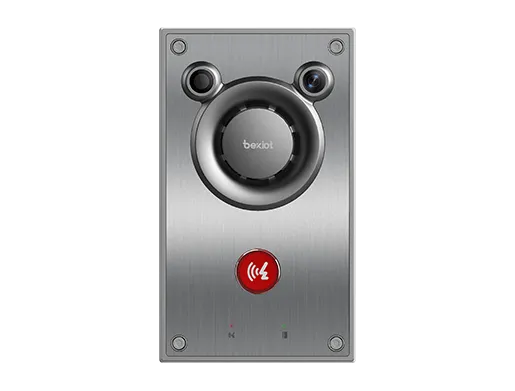
This layer includes emergency intercom stations, duress buttons, secure telephones, officer radios, gatehouse terminals, perimeter call points, PA speakers, emergency paging devices, healthcare alert terminals, and mobile supervisor endpoints. It forms the front line of alarm reporting, voice communication, emergency broadcasting, and on-site response.

Learn More
Integration Layer

Integration Layer

This layer connects the prison’s existing subsystems, including CCTV/video management, access control, fire alarm systems, building management, perimeter intrusion detection, nurse call or medical notification workflows, and external dispatch or public safety links. In Western deployments, this layer is typically built around open interfaces and standards-based integration so the prison can avoid another isolated subsystem.

Learn More
Core Platform

Core Platform

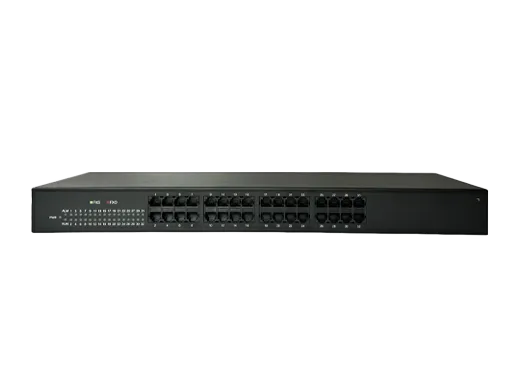
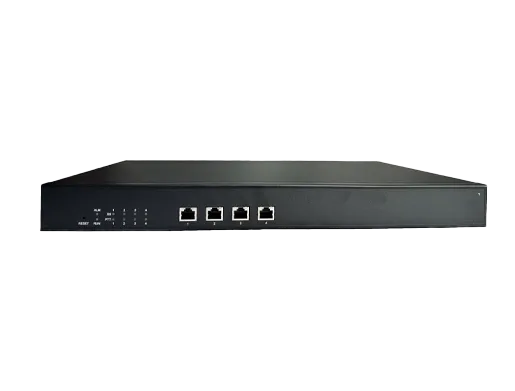
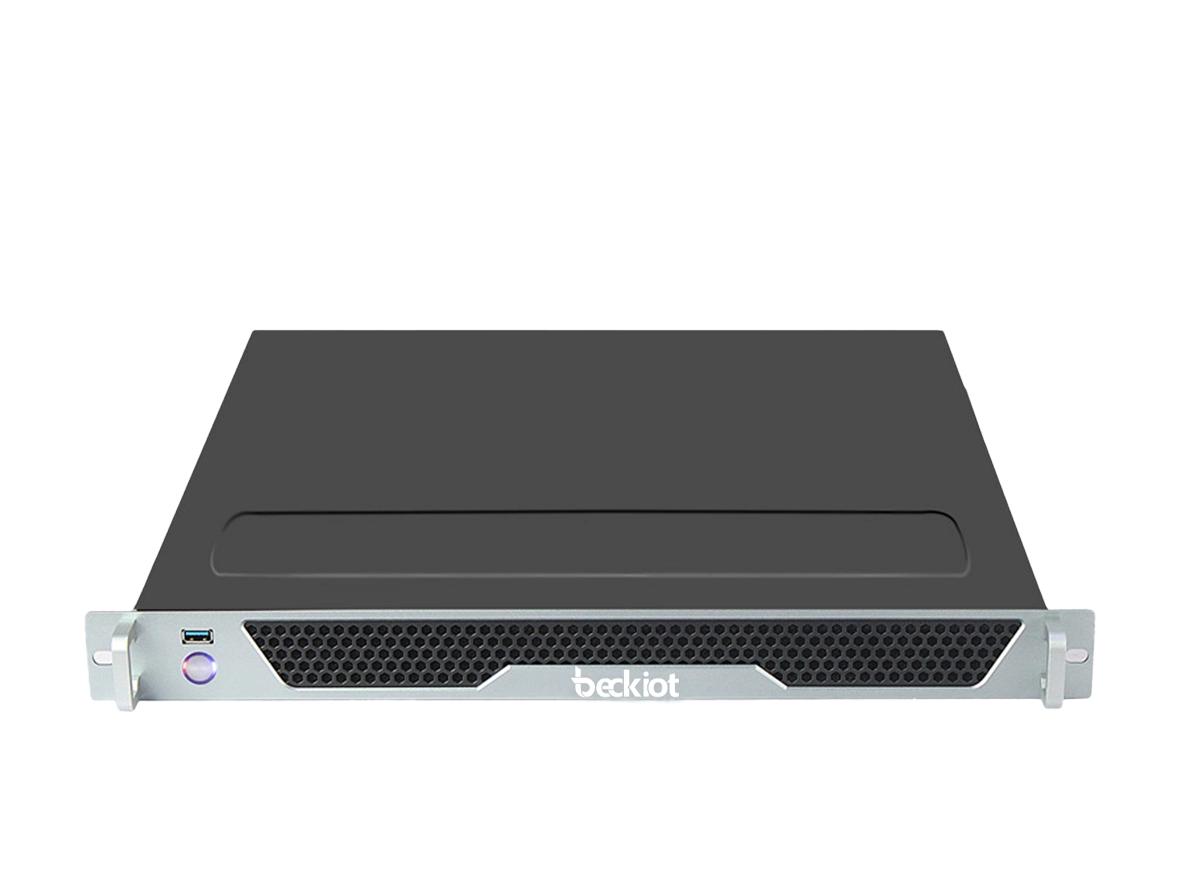
At the center is the unified communication and dispatch platform. It handles voice switching, intercom control, conference management, radio interoperability, public address control, alarm processing, event correlation, recording, operator permissions, and centralized device supervision. This is the operational brain of the system and should be deployed with redundancy for high availability.

Learn More
Command Layer

Command Layer

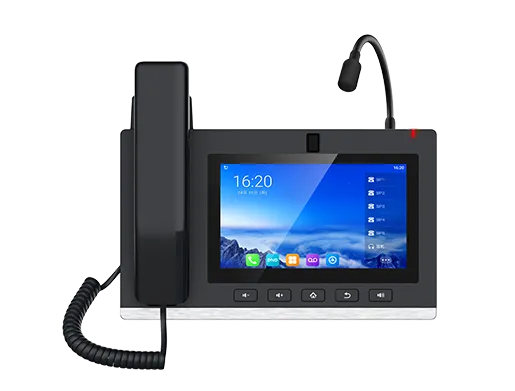
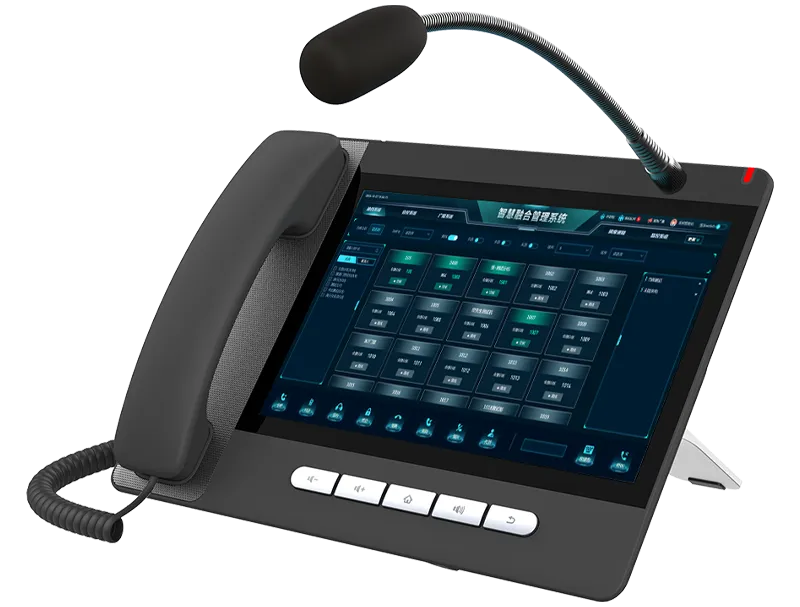
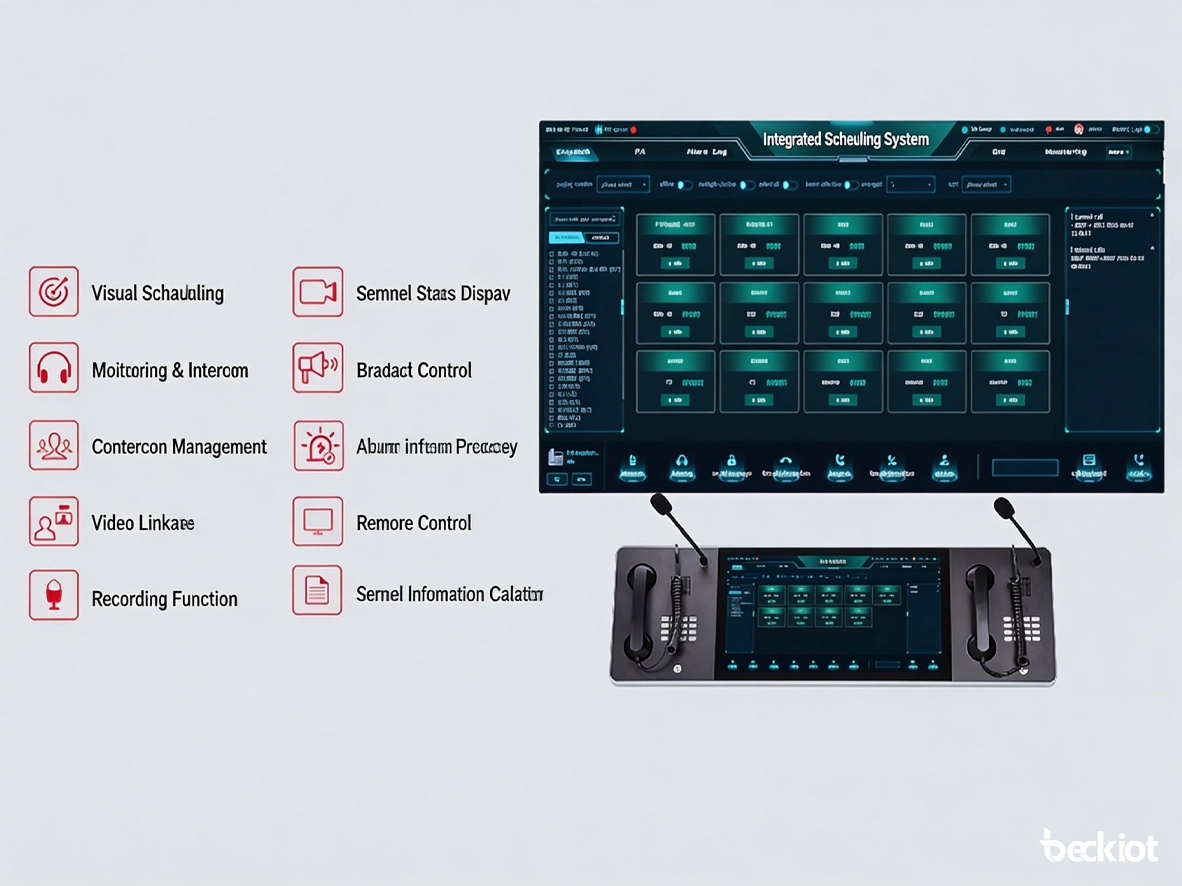
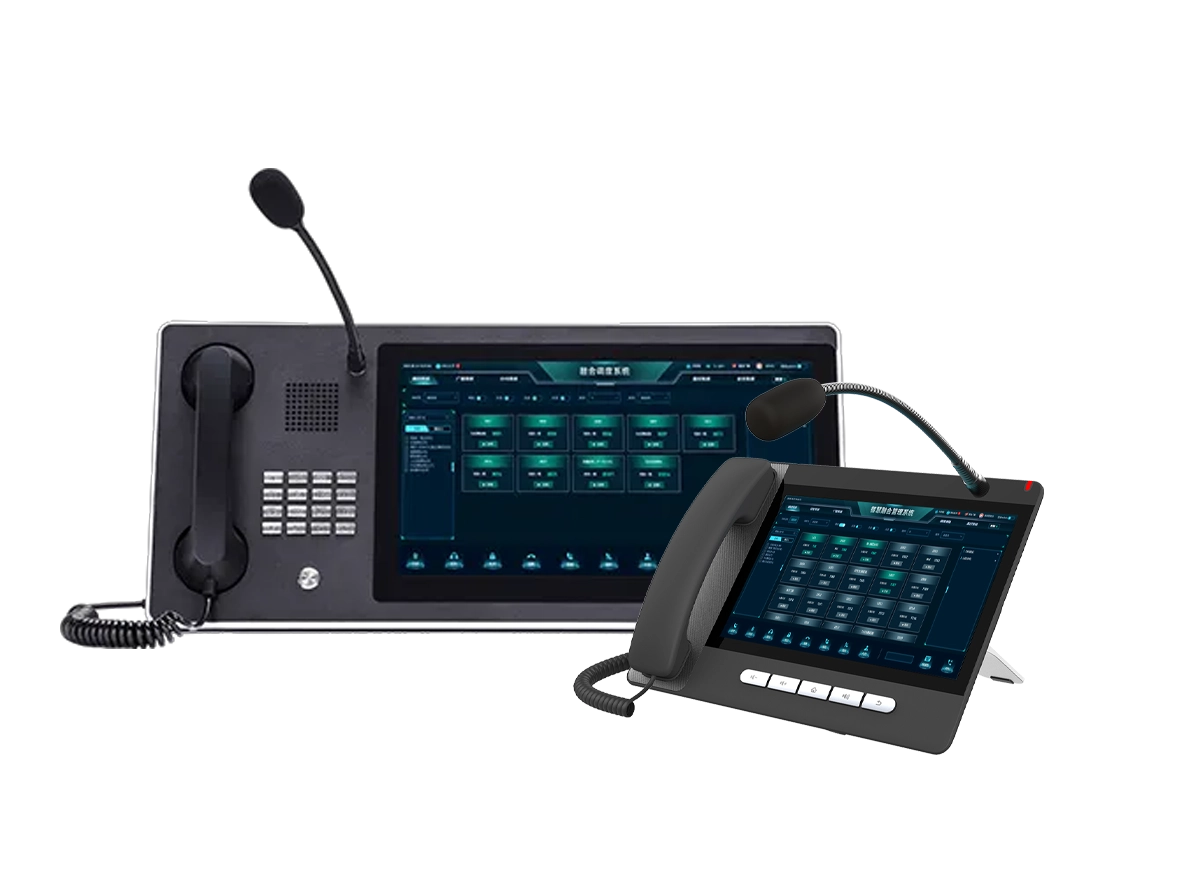
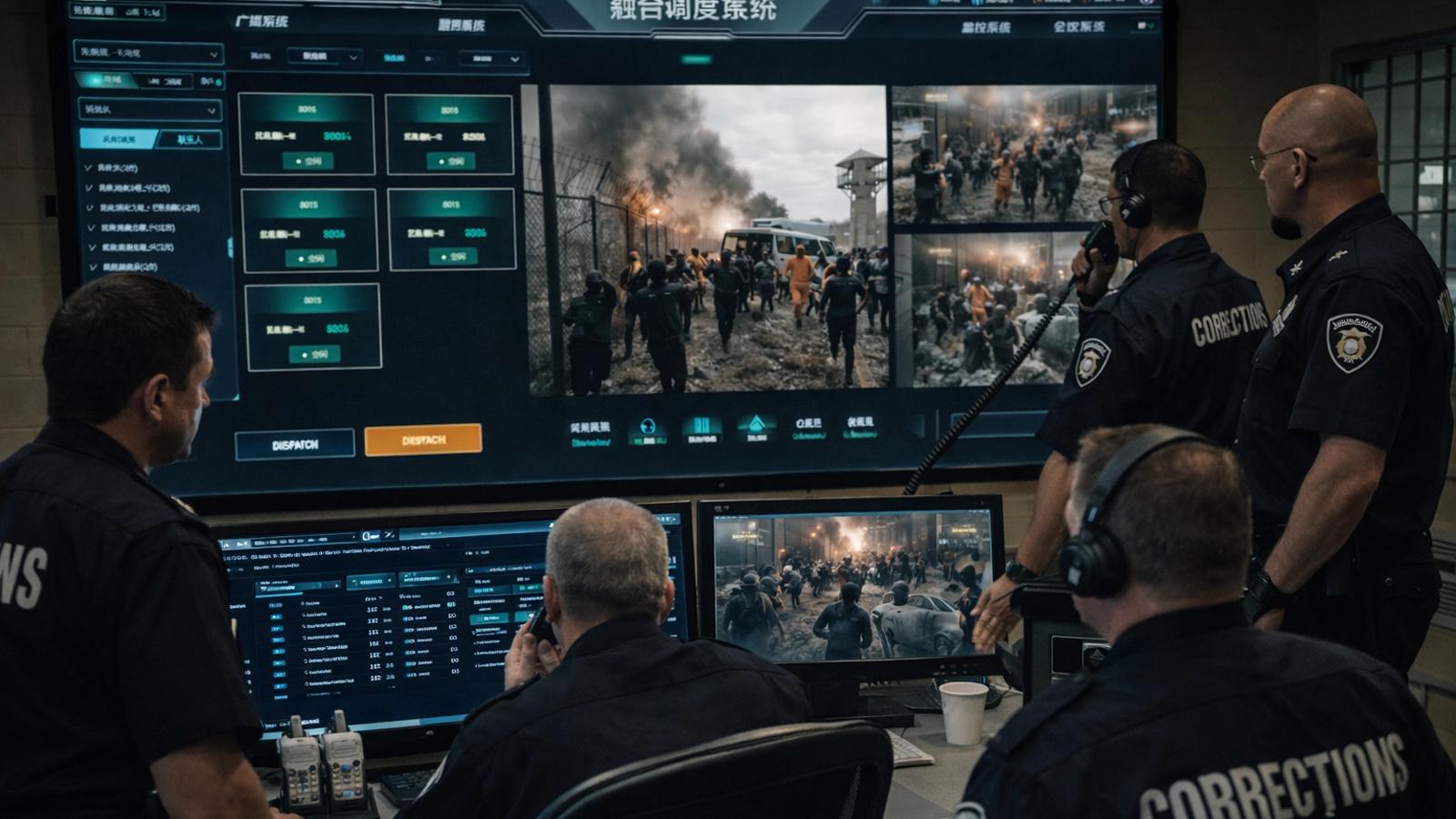
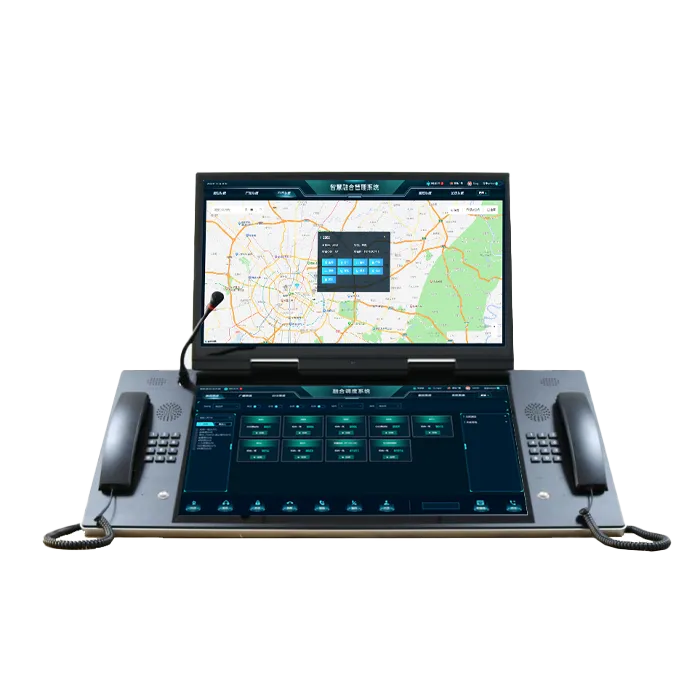
This layer provides dispatcher consoles, visual incident handling screens, alarm dashboards, map or floor-plan views, camera pop-up windows, conference management, incident logs, and emergency workflow automation. It allows operators and supervisors to move from alarm receipt to verification, dispatch, coordination, and closure in one interface. Similar concepts are reflected in official justice and emergency-management guidance, where dispatch, location verification, resource coordination, and record management are treated as essential command functions.

Learn More
Secure Infrastructure

Secure Infrastructure

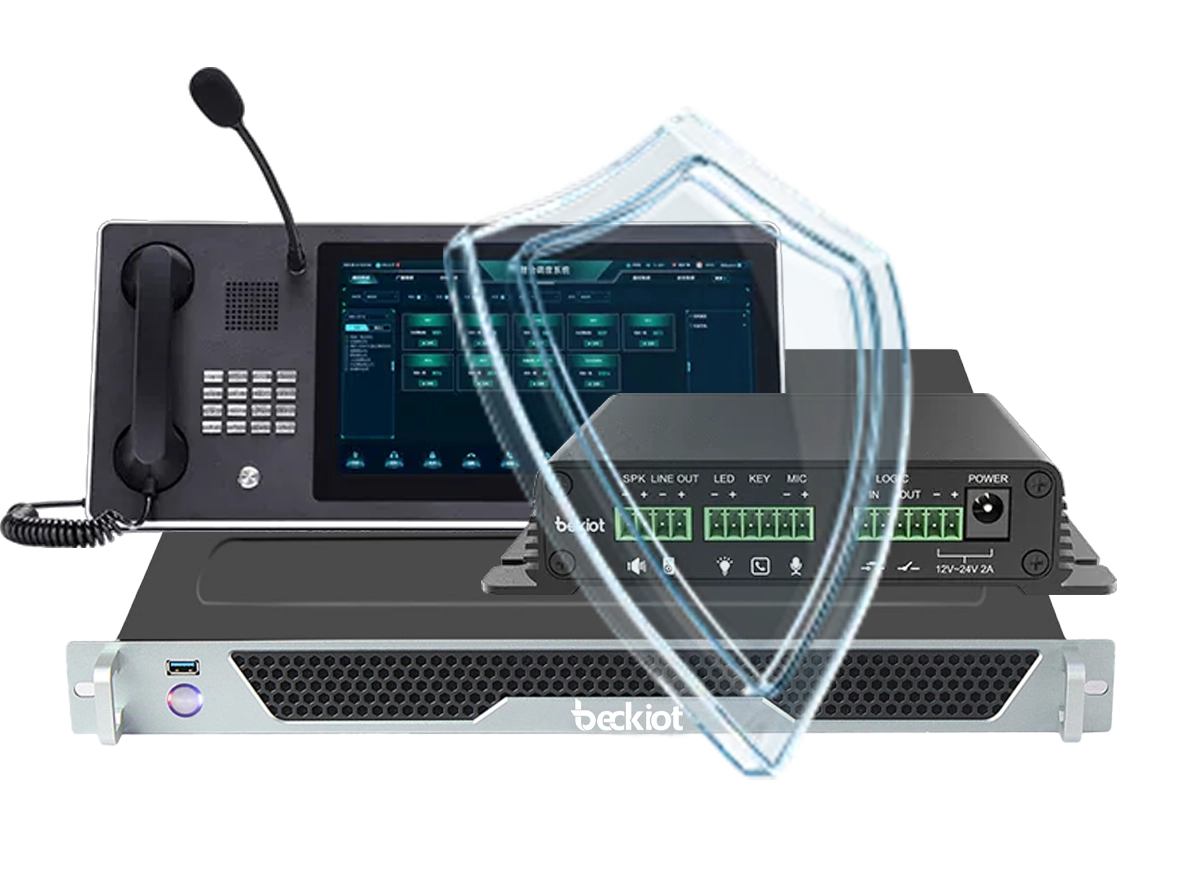
This layer provides network segmentation, secure communications paths, user authentication, logging, backup power, server redundancy, and disaster recovery. Because prisons are high-security environments, the communication platform should be isolated from nonessential networks and designed for continuity during high-risk incidents. Your source solution already emphasizes secure deployment, redundancy, and controlled integration, which fits Western correctional security expectations well.

Learn More

Application Scenarios

Medical Emergency
Riot
Escape
Fire
Hostage Incident
System Failure

Officers or medical staff can raise an urgent alert, establish immediate voice contact, route the event to healthcare teams, and coordinate escort, access, and scene verification. This is especially important in correctional facilities, where non-medical staff are often the first to detect emergencies and must act quickly before clinical teams arrive.

Medical Emergency

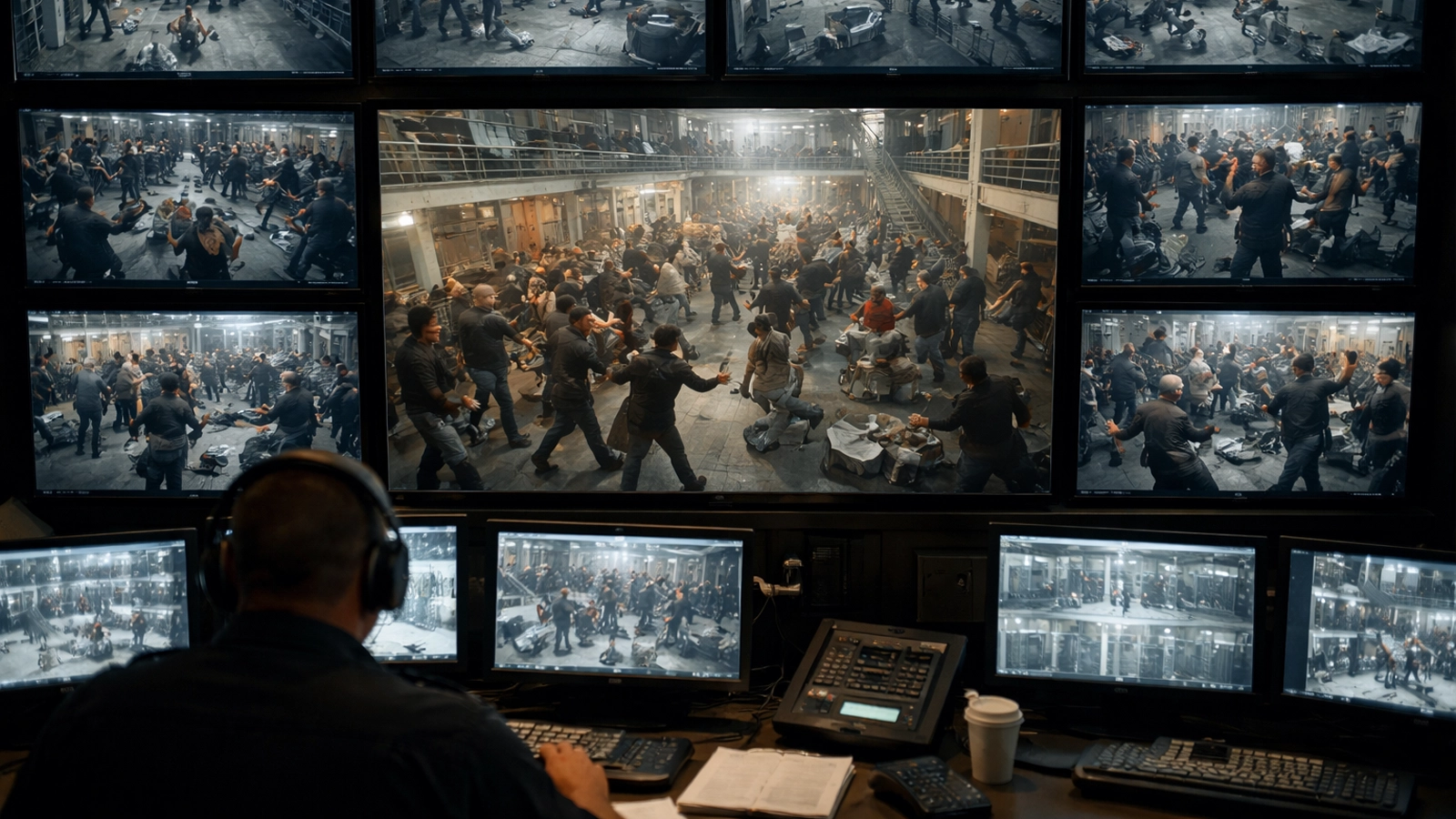
When a fight, disturbance, or organized disorder occurs, officers can trigger a duress alert, the control room can instantly verify the scene by video, and supervisors can create a secure command conference for response coordination. The system supports lockdown messaging, team dispatch, cross-wing communication, and evidence preservation throughout the event.

Riot

In an escape-related incident, the platform can prioritize perimeter alarms, open associated camera views, notify gatehouses and patrol units, and bridge internal command with external law enforcement if required. U.K. prison security policy places clear emphasis on communications-room control, movement control, and escape-related security management, making this a core use case.

Escape

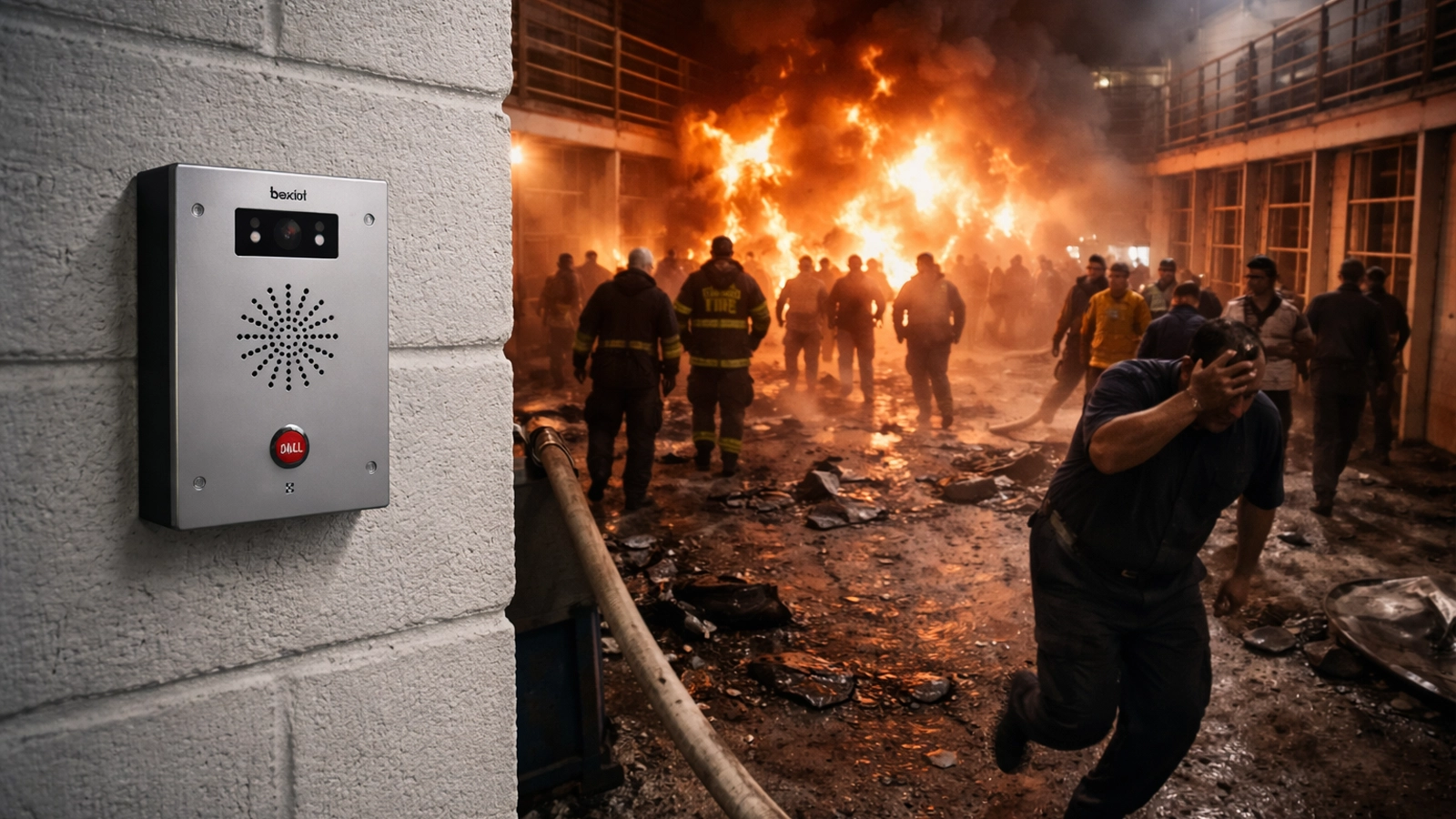
The system supports alarm verification, emergency voice communication, zoned announcements, controlled movement instructions, and coordination with fire response teams. In detention and correctional settings, fire response is more complex than in ordinary commercial buildings because movement is controlled and compartment-based strategies are often used; official U.S. correctional and fire-planning guidance reflects this reality.

Fire

The platform can establish a secure incident channel for command staff, isolate unnecessary communications, support tactical coordination, and preserve a complete evidentiary record. This allows prison leadership to manage violent critical incidents under tighter communications discipline and stronger decision control.

Hostage Incident

If the primary network or main control environment is disrupted, the system can fall back to redundant communications paths, local intercom survivability, radio dispatch, backup power, and alternate command positions. This reflects the resilience requirements found in correctional contingency planning and continuity-oriented fire and emergency policy.

System Failure

Professional industrial communication manufacturer, providing high reliability communication guarantee!
Cooperation Consultation
customer service Phone
We use cookie to improve your online experience. By continuing to browse this website, you agree to our use of cookie.

Cookies

This Cookie Policy explains how we use cookies and similar technologies when you access or use our website and related services. Please read this Policy together with our Terms and Conditions and Privacy Policy so that you understand how we collect, use, and protect information.

By continuing to access or use our Services, you acknowledge that cookies and similar technologies may be used as described in this Policy, subject to applicable law and your available choices.

Updates to This Cookie Policy

We may revise this Cookie Policy from time to time to reflect changes in legal requirements, technology, or our business practices. When we make updates, the revised version will be posted on this page and will become effective from the date of publication unless otherwise required by law.

Where required, we will provide additional notice or request your consent before applying material changes that affect your rights or choices.

What Are Cookies?

Cookies are small text files placed on your device when you visit a website or interact with certain online content. They help websites recognize your browser or device, remember your preferences, support essential functionality, and improve the overall user experience.

In this Cookie Policy, the term “cookies” also includes similar technologies such as pixels, tags, web beacons, and other tracking tools that perform comparable functions.

Why We Use Cookies

We use cookies to help our website function properly, remember user preferences, enhance website performance, understand how visitors interact with our pages, and support security, analytics, and marketing activities where permitted by law.

We use cookies to keep our website functional, secure, efficient, and more relevant to your browsing experience.

Categories of Cookies We Use

Strictly Necessary Cookies

These cookies are essential for the operation of the website and cannot be disabled in our systems where they are required to provide the service you request. They are typically set in response to actions such as setting privacy preferences, signing in, or submitting forms.

Without these cookies, certain parts of the website may not function correctly.

Functional Cookies

Functional cookies enable enhanced features and personalization, such as remembering your preferences, language settings, or previously selected options. These cookies may be set by us or by third-party providers whose services are integrated into our website.

If you disable these cookies, some services or features may not work as intended.

Performance and Analytics Cookies

These cookies help us understand how visitors use our website by collecting information such as traffic sources, page visits, navigation behavior, and general interaction patterns. In many cases, this information is aggregated and does not directly identify individual users.

We use this information to improve website performance, usability, and content relevance.

Targeting and Advertising Cookies

These cookies may be placed by our advertising or marketing partners to help deliver more relevant ads and measure the effectiveness of campaigns. They may use information about your browsing activity across different websites and services to build a profile of your interests.

These cookies generally do not store directly identifying personal information, but they may identify your browser or device.

First-Party and Third-Party Cookies

Some cookies are set directly by our website and are referred to as first-party cookies. Other cookies are set by third-party services, such as analytics providers, embedded content providers, or advertising partners, and are referred to as third-party cookies.

Third-party providers may use their own cookies in accordance with their own privacy and cookie policies.

Information Collected Through Cookies

Depending on the type of cookie used, the information collected may include browser type, device type, IP address, referring website, pages viewed, time spent on pages, clickstream behavior, and general usage patterns.

This information helps us maintain the website, improve performance, enhance security, and provide a better user experience.

Your Cookie Choices

You can control or disable cookies through your browser settings and, where available, through our cookie consent or preference management tools. Depending on your location, you may also have the right to accept or reject certain categories of cookies, especially those used for analytics, personalization, or advertising purposes.

Please note that blocking or deleting certain cookies may affect the availability, functionality, or performance of some parts of the website.

Restricting cookies may limit certain features and reduce the quality of your experience on the website.

Cookies in Mobile Applications

Where our mobile applications use cookie-like technologies, they are generally limited to those required for core functionality, security, and service delivery. Disabling these essential technologies may affect the normal operation of the application.

We do not use essential mobile application cookies to store unnecessary personal information.

How to Manage Cookies

Most web browsers allow you to manage cookies through browser settings. You can usually choose to block, delete, or receive alerts before cookies are stored. Because browser controls vary, please refer to your browser provider’s support documentation for details on how to manage cookie settings.

Contact Us

If you have any questions about this Cookie Policy or our use of cookies and similar technologies, please contact us at support@becke.cc .