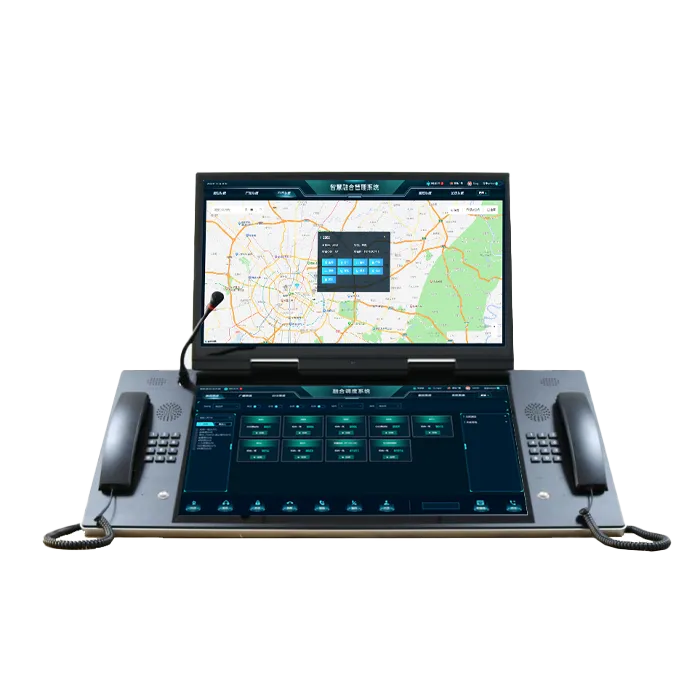
Government agencies and civil defense organizations operate in environments where communication is directly tied to command continuity, emergency response efficiency, public safety, and inter-agency coordination. When disasters, security incidents, infrastructure failures, or large public gatherings occur, communication systems are placed under extreme pressure. Public cellular networks may become congested, fixed infrastructure may be partially interrupted, and different departments may struggle to coordinate across separate platforms.
In these scenarios, an emergency communication system must do more than provide basic calling. It must support unified command, rapid field coordination, resilient connectivity, structured public warning, and reliable communication between agencies, responders, facilities, and citizens. Becke Telcom provides an integrated solution designed for government and civil defense applications, combining dispatch, IP telephony, cluster intercom, 5G and LTE connectivity, emergency video conferencing, public warning, interoperability gateways, and rapid deployment communication assets into one coordinated framework.
For government and civil defense operations, communication is not only a support function. It is the operational backbone that keeps command, coordination, and public response aligned during critical events.
Why Government & Civil Defense Agencies Need an Integrated Emergency Communication Solution
Government and civil defense communication requirements are rarely limited to one department or one site. Emergency management teams may need to coordinate with police units, fire and rescue teams, municipal authorities, medical support organizations, transport operators, utility departments, and field command posts at the same time. When communication tools are fragmented across disconnected radio systems, independent telephony platforms, and isolated notification tools, the result is slower coordination and reduced situational awareness.
A modern emergency communication solution should therefore connect administrative communication, command dispatch, field response, and public alerting within a unified architecture. This helps reduce communication gaps during both daily preparedness and emergency operations, while also improving the ability of leadership teams to make timely and informed decisions.
Support command continuity during disasters and public emergencies
Connect fixed command centers with field teams and mobile units
Enable coordination across multiple agencies and communication systems
Improve public warning, evacuation messaging, and incident communication
Strengthen resilience when networks or infrastructure are disrupted
Solution Positioning
Becke Telcom’s Government & Civil Defense Emergency Communication Solution is designed for emergency management authorities, municipal command centers, civil defense departments, public safety agencies, disaster response organizations, and regional coordination hubs. It supports routine operations, emergency preparedness, incident response, multi-department coordination, and temporary field deployment.
The solution is suitable for fixed emergency operation centers, mobile command vehicles, regional government facilities, transport and infrastructure coordination environments, and temporary command sites established during large-scale emergencies. By combining voice, video, wireless access, intercom, alerting, and broadcast functions, the system helps public-sector organizations create a more resilient and scalable emergency communication environment.
Overall System Architecture
Command and Control Layer
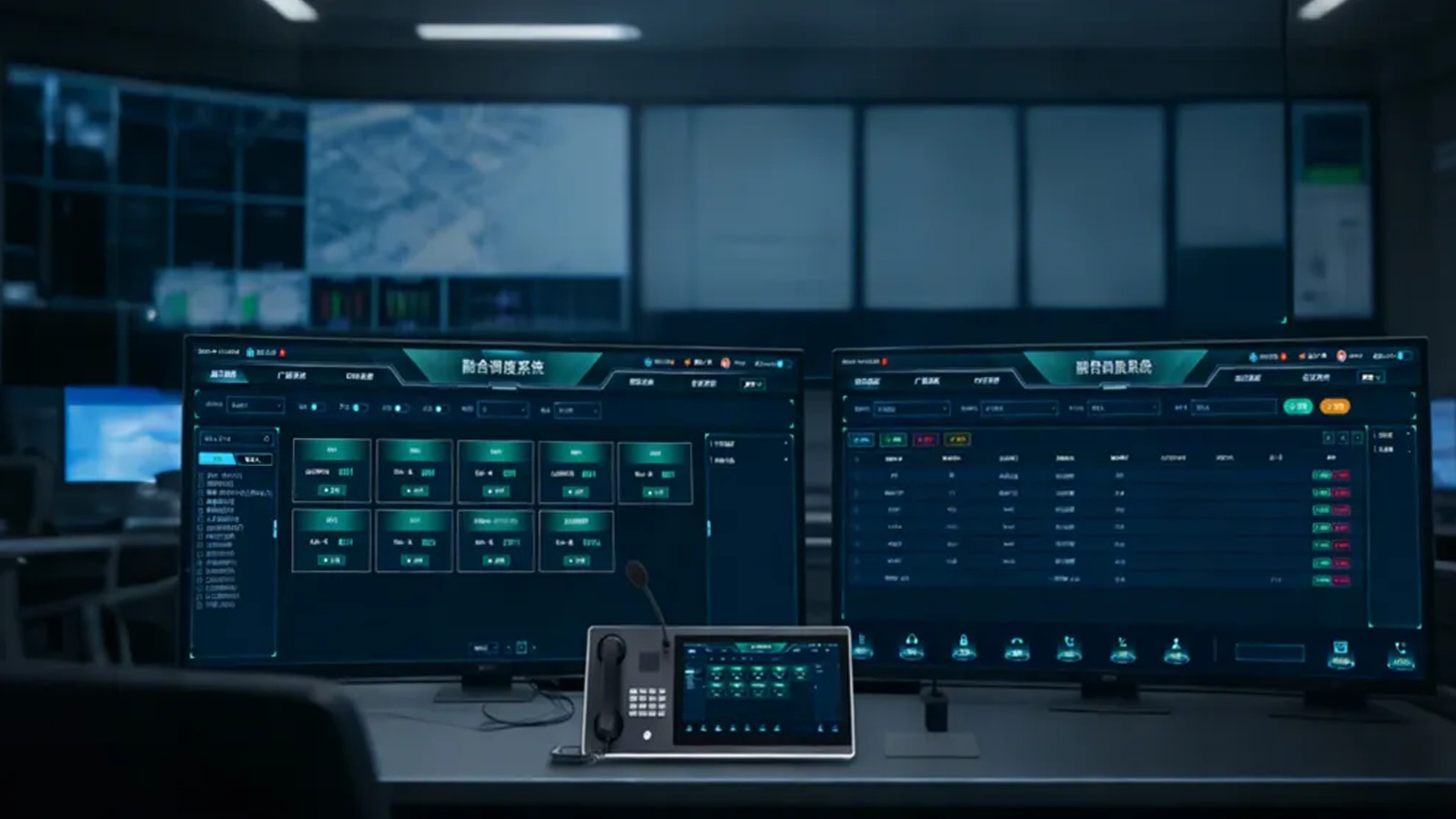
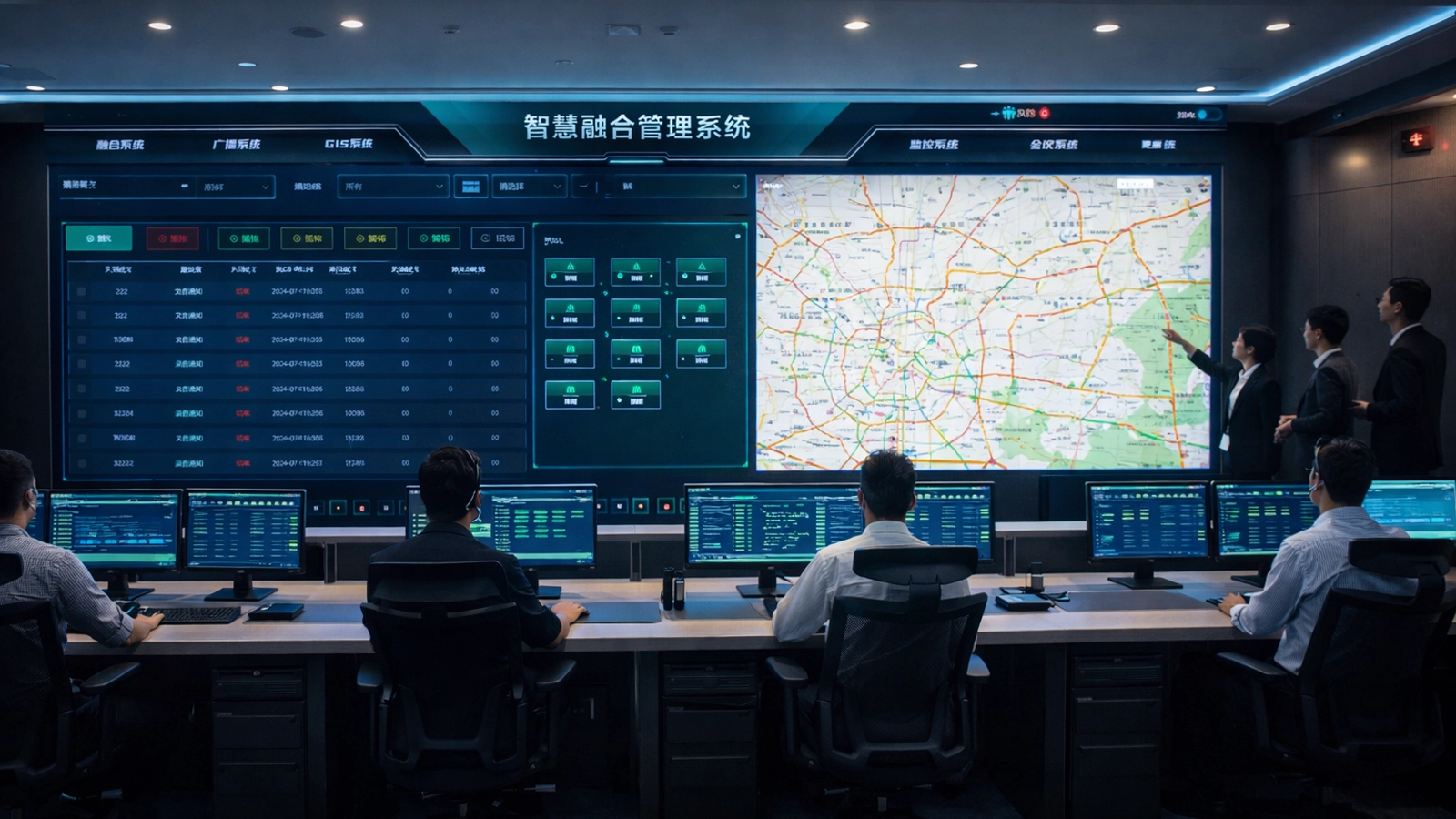
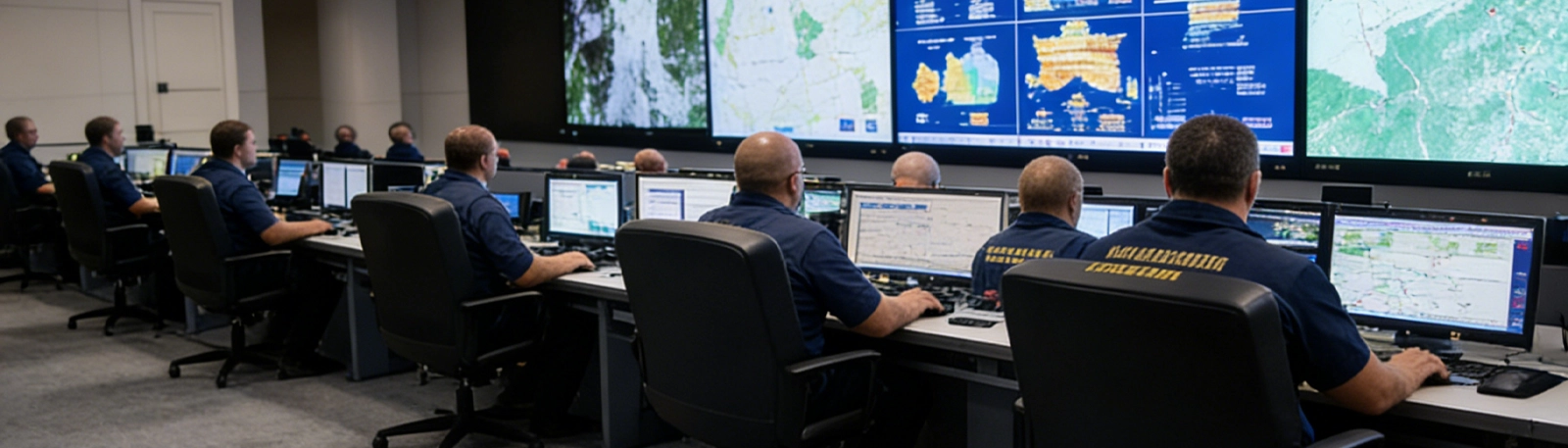
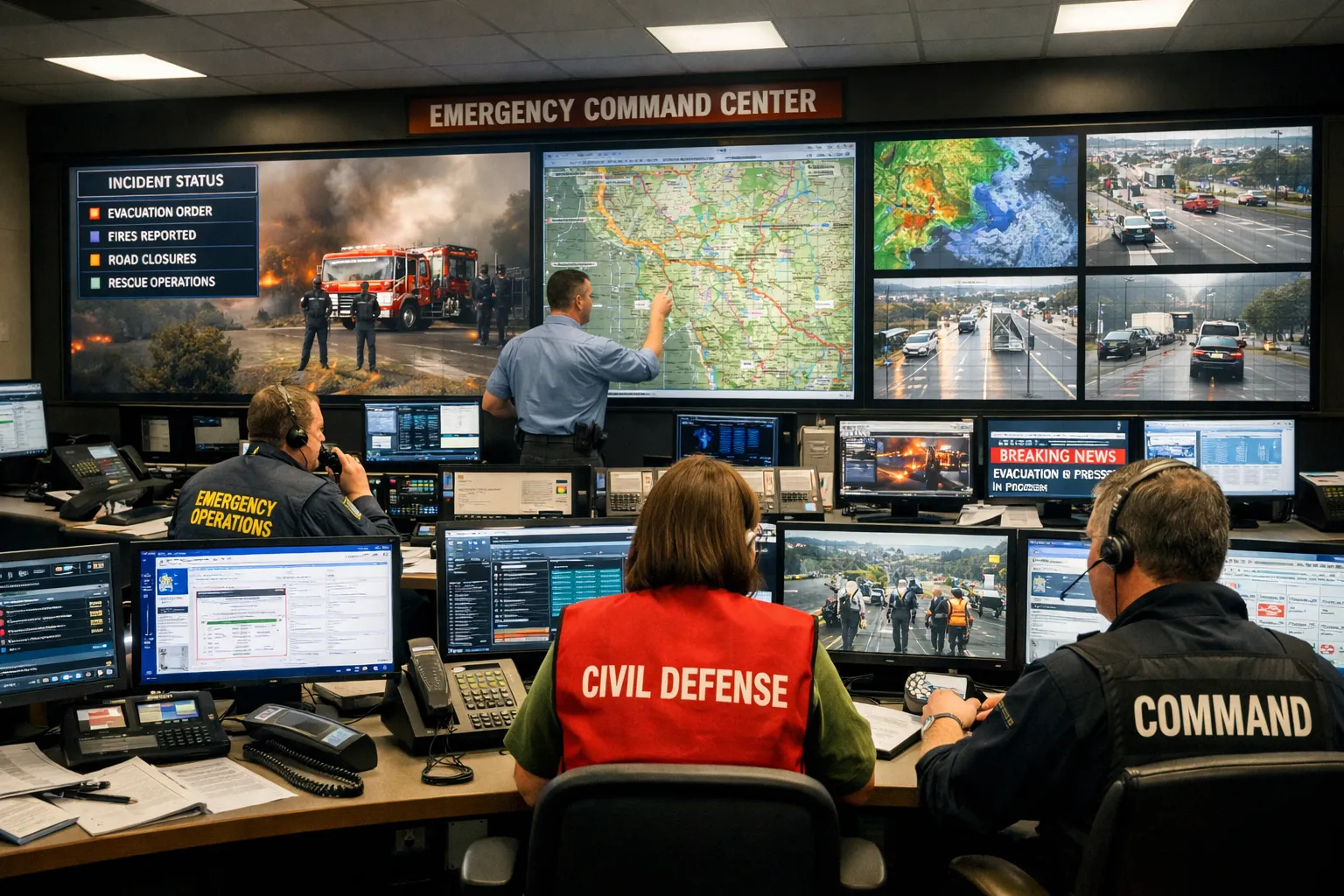
This layer includes government emergency operation centers, civil defense control rooms, regional coordination centers, dispatch positions, and mobile command units. Operators can monitor events, initiate communication workflows, organize emergency conferences, manage incident records, and coordinate resources from a centralized operational platform.
It is also the layer where decision-making is consolidated. By providing visibility into communication status, team availability, and incident workflows, the command layer helps agencies maintain order during complex or fast-developing situations.
Unified command and control architecture supporting emergency coordination across government and civil defense operations.
Communication Platform Layer
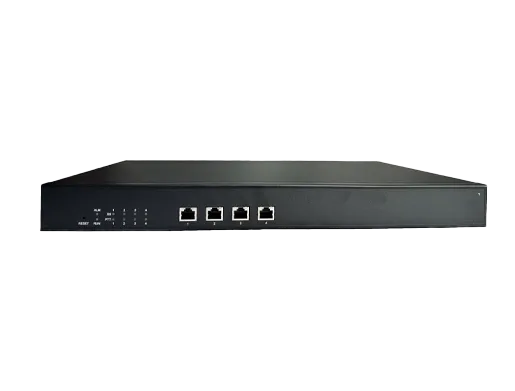
The communication platform layer integrates core services such as dispatch control, IP telephony, conference calling, video conferencing, cluster intercom access, emergency broadcast management, recording, logging, and interoperability control. Rather than relying on separate systems that must be manually coordinated, users can operate through a unified platform that improves efficiency and reduces communication friction.
This platform can support day-to-day government communication as well as incident-driven command workflows. It helps ensure that routine communication investments also contribute to emergency readiness rather than remaining isolated in separate systems.
Network Access Layer
The network layer may include fixed IP infrastructure, private networks, LTE access, 5G broadband, microwave transmission, wireless mesh, and satellite backup. This multi-network approach is essential for emergency communication because the operating environment can shift rapidly between routine stability and infrastructure disruption.
Different communication paths serve different needs. Fixed IP infrastructure supports daily coordination and high-capacity backbone connectivity. Wireless access provides mobility for field teams and command vehicles. Backup paths improve resilience when parts of the network are degraded or unavailable.
Terminal and Endpoint Layer
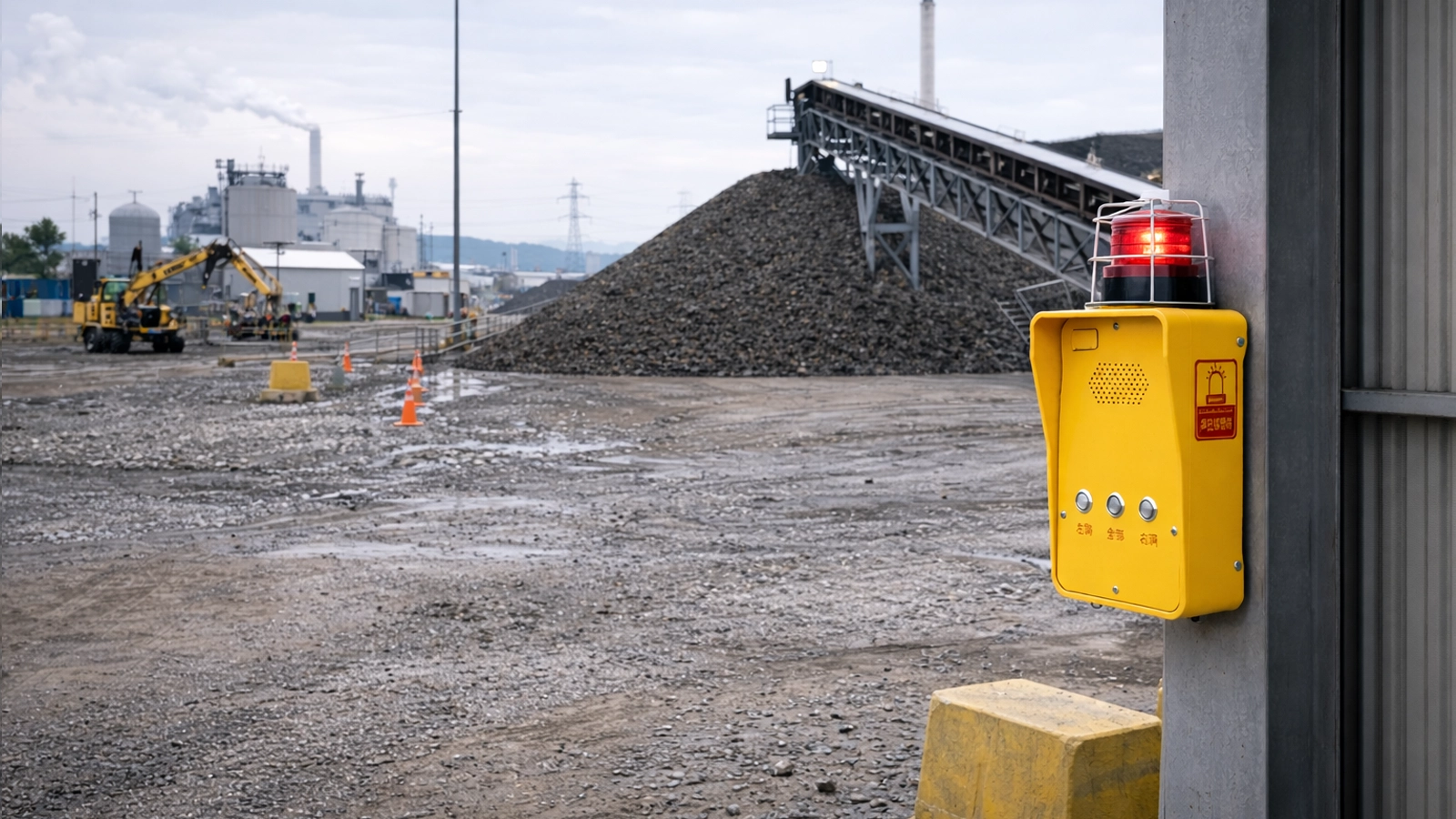
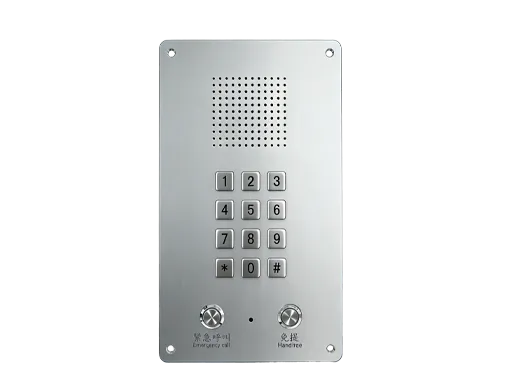
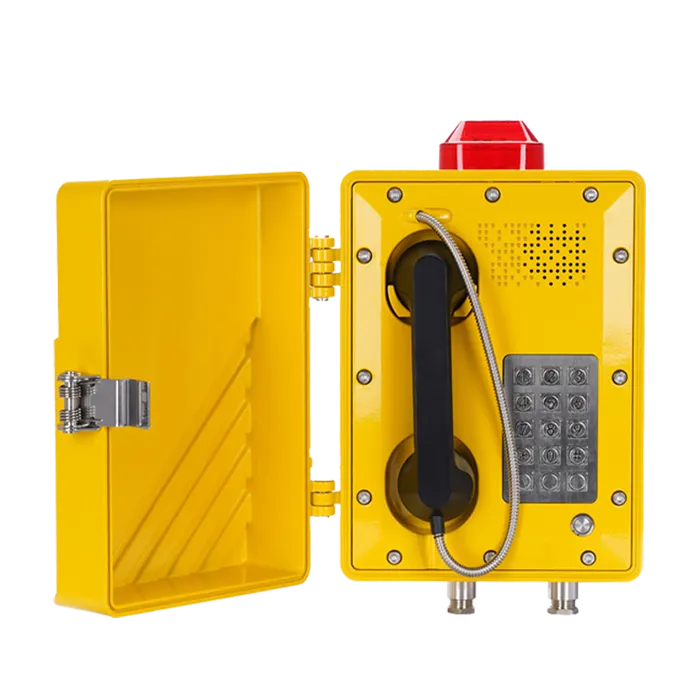
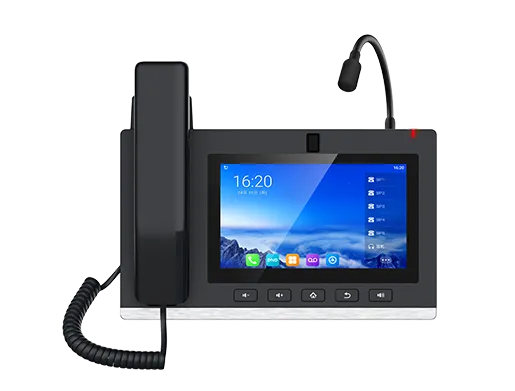
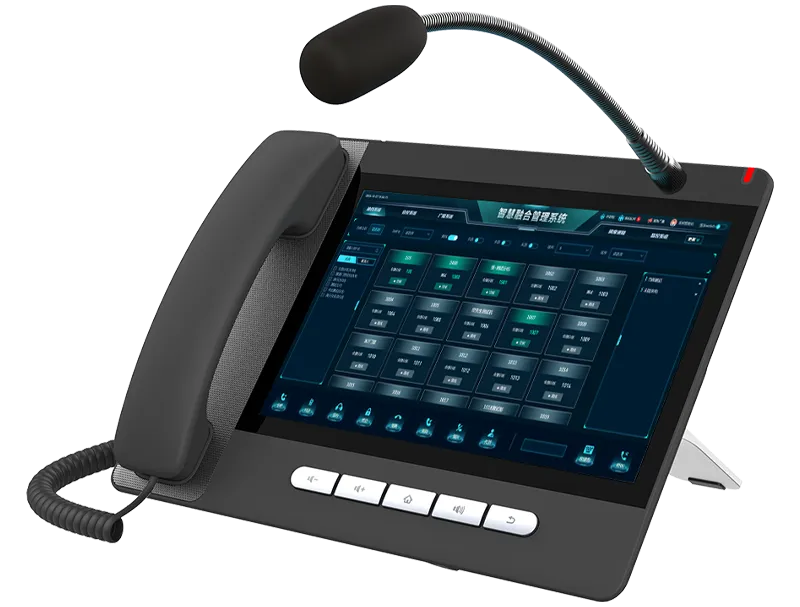
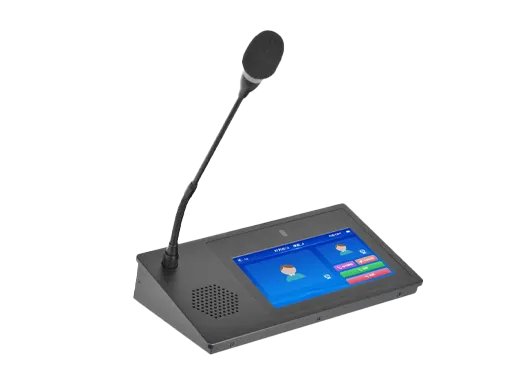
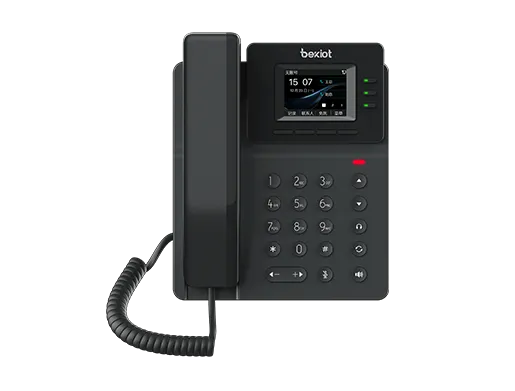
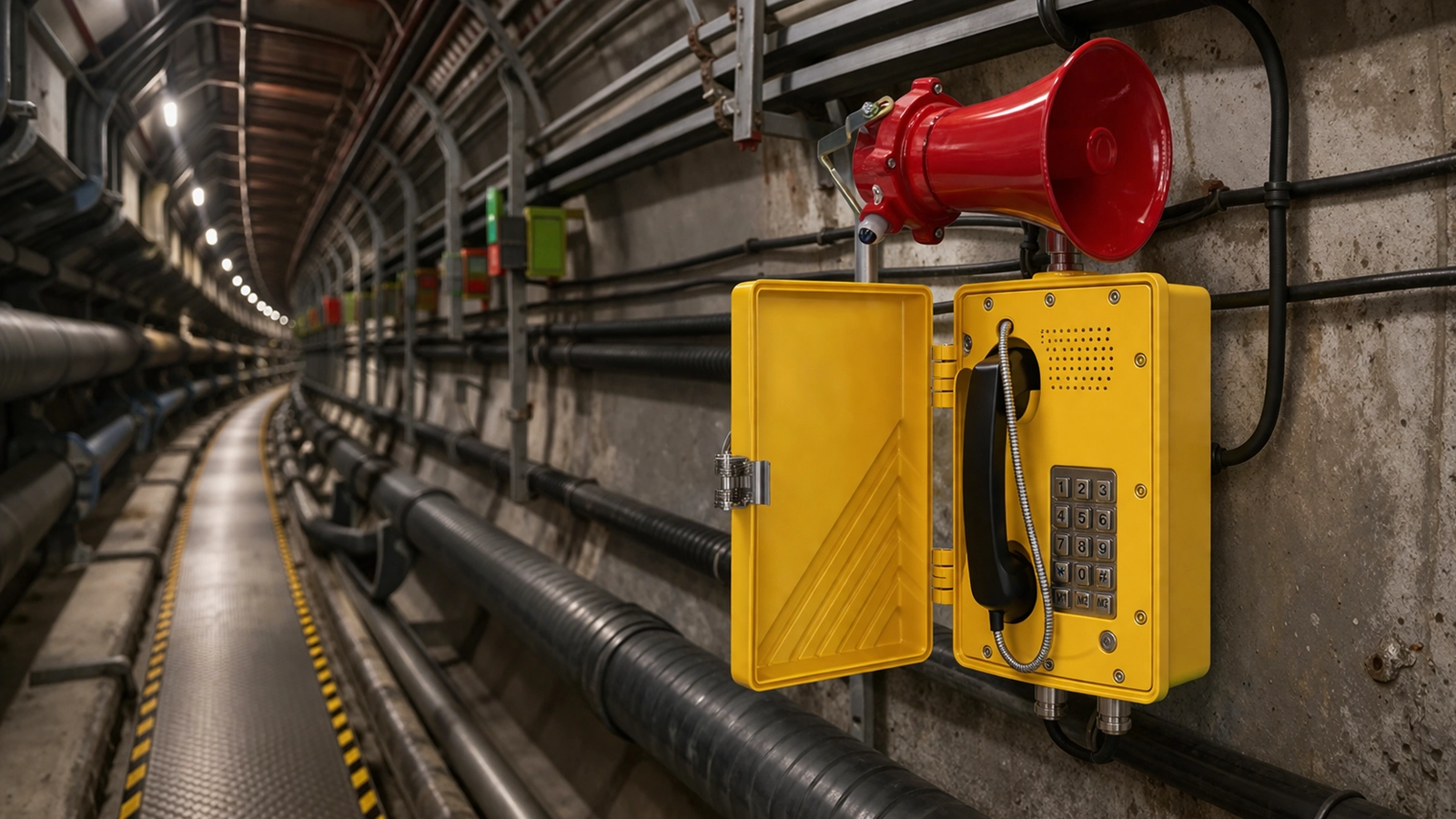
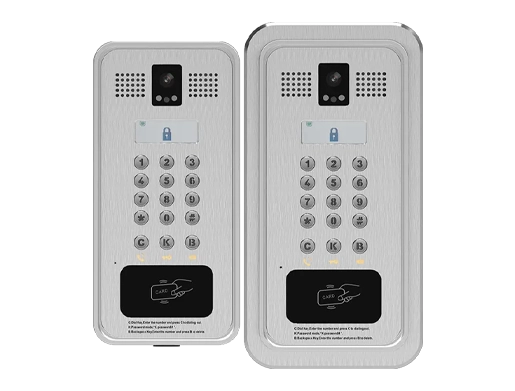
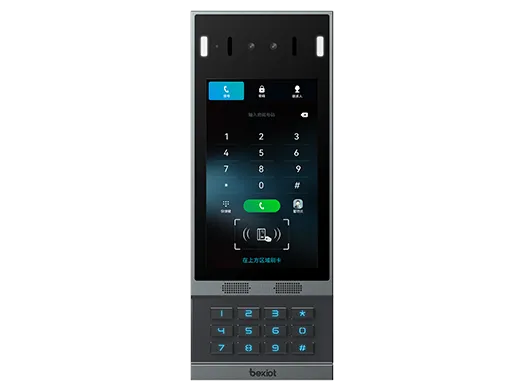
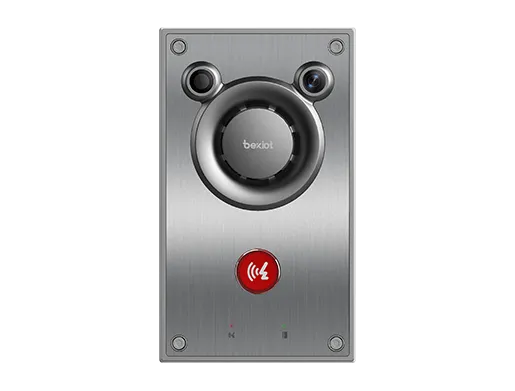
The endpoint layer can include dispatch consoles, IP phones, rugged emergency telephones, cluster intercom terminals, mobile communication devices, portable communication kits, conference endpoints, alarm terminals, and broadcast devices. These endpoints connect leadership personnel, dispatchers, field responders, supporting agencies, and public communication nodes.
This flexibility allows the solution to support both administrative communication and operational emergency coordination without requiring organizations to build entirely separate communication environments.
The Role of LTE and 5G in Government Emergency Communications
LTE for Reliable Mobile Broadband Support
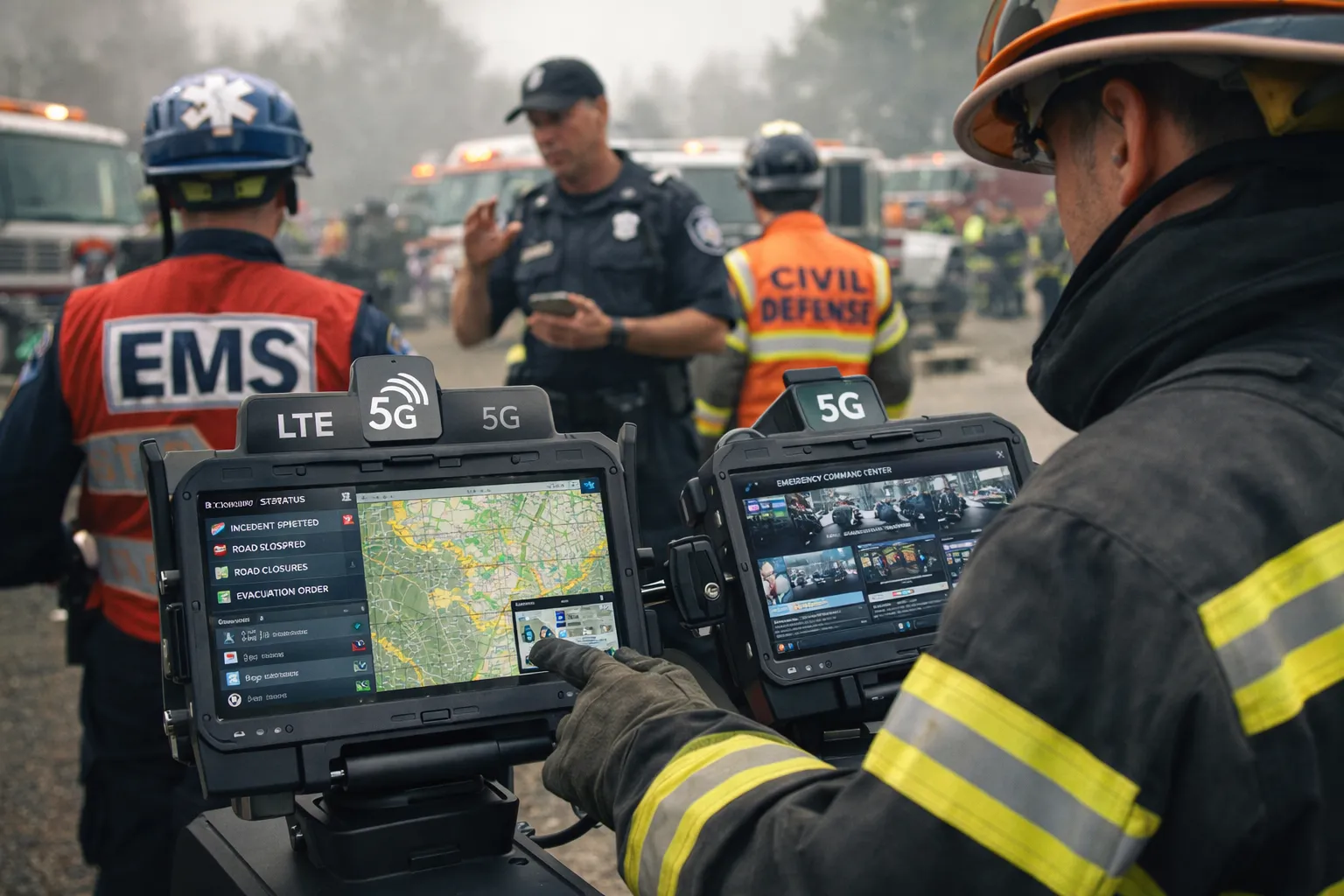
LTE plays a practical and important role in emergency communication because it provides mobile broadband capability for voice, video, status reporting, mapping, incident data exchange, and field access to command systems. For civil defense and government users, LTE can support mobile teams, transportable command units, temporary operations sites, and emergency staff working outside fixed facilities.
During incidents, LTE helps bridge the gap between headquarters and the field. It can support operational applications such as mobile dispatch access, location-based coordination, field reporting, visual updates, and communication continuity in areas where wired connectivity is unavailable or not fast enough to deploy.
5G for High-Capacity and Low-Latency Emergency Response
5G introduces additional capabilities for emergency communication environments that require larger bandwidth, faster responsiveness, and support for multiple simultaneous services. In government and civil defense scenarios, 5G can improve mobile video backhaul, field conferencing, remote assessment, mobile situational awareness, and high-density response operations in urban or mission-intensive environments.
Its value is especially clear when voice, video, messaging, and coordination tools need to work together under time pressure. A well-designed 5G-enabled architecture can help agencies improve communication responsiveness while still operating as part of a broader and resilient command framework.
LTE and 5G are most effective when they are integrated into a complete emergency communication architecture that includes dispatch, public warning, interoperability, and resilient backup resources.
How Wireless Access Fits into a Resilient Communication Strategy
Wireless broadband should not be treated as a stand-alone emergency solution. Instead, it works best when combined with dispatch platforms, interoperable communication control, voice systems, conference tools, and backup assets. In this model, LTE and 5G strengthen mobility and bandwidth, while other layers provide continuity, operational control, and redundancy.
Fixed IP and core platform resources support daily operations and central management.
LTE and 5G extend communication to field teams, temporary sites, and mobile command posts.
Satellite, portable kits, and transportable assets improve continuity during infrastructure disruption.
Dispatch and interoperability tools keep voice, video, and alerting workflows coordinated.
Integrated Command Dispatch and Cross-Agency Coordination
Unified Dispatch Platform
The dispatch platform acts as the operational heart of the solution. It allows authorized users to initiate calls, organize multi-party conferences, connect departments, manage communication priorities, trigger warning workflows, and supervise incident communication from one interface. This is particularly valuable in emergencies where the speed and clarity of coordination can directly affect outcomes.
Instead of forcing personnel to move between separate communication tools, the platform creates a more structured environment for operational control. It also supports event-based management, helping agencies respond in a more organized and accountable way.
Interoperability Between Different Communication Systems
Government and civil defense organizations often rely on a mix of technologies, including IP telephony, dispatch consoles, legacy radio systems, digital intercom, field telephones, and other specialized communication tools. One of the main obstacles in emergency response is that these systems are often not designed to communicate natively with one another.
An interoperability gateway helps bridge these technologies so that agencies can improve communication across departments and operational domains. This is especially important in joint operations that involve municipal departments, emergency response teams, infrastructure operators, contracted service providers, and regional coordination authorities.
Cluster Intercom for Tactical and Field-Level Operations
Cluster intercom functions provide efficient group communication for field personnel, security units, mobile responders, and site-level emergency teams. These functions are useful when communication must be immediate, structured, and easy to coordinate across multiple users in dynamic environments.
By linking cluster intercom with the central dispatch platform, field-level communication can remain connected to headquarters, support teams, and broader command workflows. This helps avoid the operational silos that commonly appear when field communications remain isolated from management systems.
LTE, 5G, and cluster intercom help connect field teams with command centers during fast-moving emergency operations.
IP Telephony, Conference Calling, and Video Collaboration
IP Telephony for Administrative and Emergency Operations
IP telephony remains a foundational element in government communication because it supports internal calling, emergency hotlines, departmental coordination, call routing, transfer, recording, and conference access. In a public-sector environment, telephony must serve both routine communication and emergency operations so that the system remains familiar, active, and dependable.
By integrating IP telephony with the broader command platform, agencies can keep office communication, hotline services, and emergency coordination within one unified communication framework rather than maintaining separate islands of operation.
Conference Calling for Fast Multi-Department Decision-Making
Conference calling allows government departments and response stakeholders to quickly join structured voice coordination sessions during urgent events. This is especially useful for severe weather monitoring, transport disruptions, public event management, regional response planning, and infrastructure incidents that require fast cross-functional communication.
Well-managed conference capabilities reduce the confusion that often results from fragmented call chains and informal communication handoffs.
Rapid leadership coordination
Multi-department incident review
Regional response planning
Escalation support for complex events
Emergency Video Conferencing for Situational Awareness
Video collaboration allows decision-makers to assess conditions visually, consult remote teams, coordinate with regional offices, and conduct command sessions with more context than voice alone can provide. During emergency situations, video can help confirm field conditions, improve damage assessment, and support faster operational alignment among different stakeholders.
By integrating video conferencing into the communication platform, Becke Telcom helps agencies create a stronger coordination environment where field input, command decisions, and inter-agency collaboration can take place in a more direct and informed manner.
Public Warning, IPAWS Alignment, Reverse 911, and IVR
Public Warning as Part of the Emergency Communication Framework
Effective emergency response does not stop at internal coordination. Government and civil defense agencies must also communicate clearly with the public. This requires structured public warning tools that can deliver timely guidance, emergency instructions, area-specific alerts, and evacuation messaging.
The communication solution can therefore integrate public alerting workflows into the wider command-and-control environment, allowing agencies to manage internal coordination and public communication with better timing and consistency.
IPAWS-Aligned Alerting Concepts
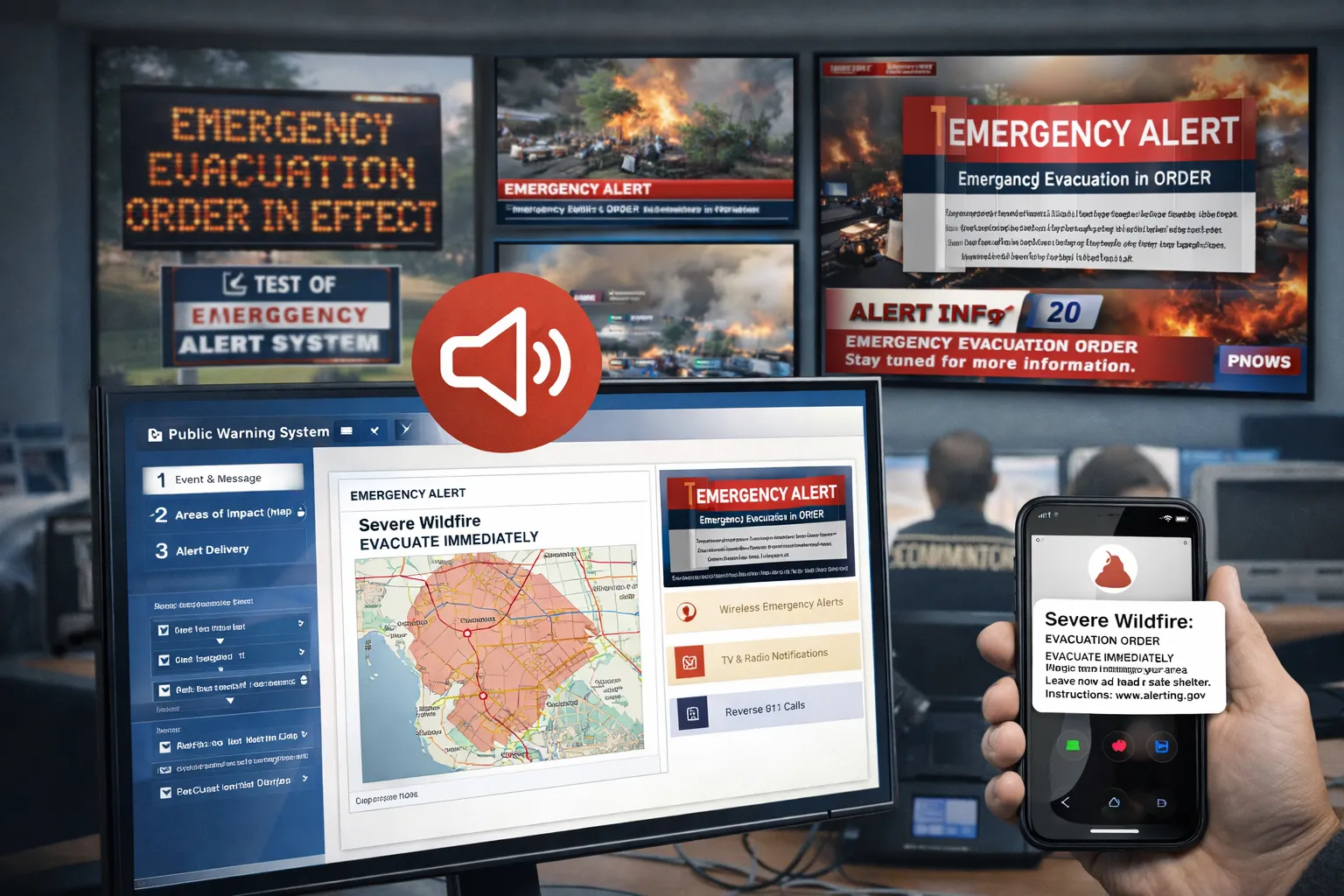
For agencies that need structured public alert dissemination, alignment with alerting concepts associated with the Integrated Public Alert and Warning System (IPAWS) is highly relevant. This type of integration approach supports the goal of distributing emergency information through coordinated and recognized warning channels, helping authorities communicate more effectively during time-sensitive incidents.
In practical deployment terms, IPAWS-related integration concepts strengthen the connection between emergency command systems and public-facing alert workflows. This is especially valuable for regional warnings, severe weather communication, hazardous event notification, evacuation support, and public safety advisories.
Reverse 911 and IVR for Citizen Outreach
Reverse 911 and IVR-related functions extend emergency communication beyond responder coordination and into direct public outreach. Reverse 911 capabilities can support outbound emergency calling to affected communities, while IVR functions can help guide recipients through recorded instructions, status updates, response options, and information routing processes.
These tools are valuable when agencies need to communicate quickly at scale, especially in incidents where hotline demand rises sharply or where people need consistent instructions delivered in a structured format. Reverse 911 and IVR can also support status messaging, shelter information, disruption updates, and controlled public communication during evolving emergencies.
Emergency communication is strongest when internal command coordination and external public warning operate as connected parts of the same response system.
Emergency Broadcast and Area-Based Voice Notification
Public warning can also be delivered through emergency broadcast terminals, zone paging, all-area announcements, and pre-recorded evacuation messages. These tools are particularly useful in government compounds, transport facilities, shelters, municipal sites, and public service locations where immediate voice communication remains highly effective.
By connecting broadcast functions to dispatch and alert workflows, agencies can issue warnings more quickly and maintain better control over message timing and coverage.
Integrated public warning architecture combining broadcast, IPAWS-aligned alerting concepts, and Reverse 911 outreach for citizen communication.
Rapid Deployment Communication Assets
Mobile Command Units
Large-scale emergencies often require communication infrastructure to be moved closer to the incident. Mobile command vehicles and transportable communication units can provide on-site coordination, temporary command functions, local network access, and communication bridging when permanent facilities are unavailable or not ideally located for field operations.
These units are especially useful for flood response, wildfire operations, transport accidents, major public gatherings, and regional emergency coordination where mobility and operational flexibility are essential.
Portable Emergency Communication Kits
Portable kits may include gateway devices, wireless nodes, compact field terminals, transportable network equipment, or satellite-ready communication units. They help agencies establish temporary communication support in damaged areas, remote sites, temporary shelters, or forward operating positions.
Because they can be deployed quickly, these kits play an important role in closing the communication gap between infrastructure disruption and full service recovery.
Reliability, Security, and Operational Continuity
Government and civil defense communication systems must remain dependable under uncertain conditions. For this reason, the solution should be designed with layered resilience, including redundant communication paths, backup power strategies, resilient platform architecture, and controlled fallback mechanisms. A multi-layer design helps reduce single points of failure and improves the ability of agencies to maintain communication through changing incident conditions.
Security is equally important. Government environments require managed access, communication protection, operational accountability, and deployment approaches that align with public-sector governance requirements. Through structured administration, permission control, logging, and secure architecture planning, agencies can better protect critical communication resources while maintaining operational readiness.
Typical Application Scenarios
The solution can support a broad range of government and civil defense missions, including routine readiness, event security, and high-pressure emergency operations. Its flexibility makes it suitable for both centralized and distributed communication environments.
Natural Disaster Response: Supports command coordination, field communication, public warning, and temporary deployment during floods, earthquakes, storms, wildfires, and similar incidents.
Urban Emergency Coordination: Helps municipal departments, public safety agencies, and infrastructure teams communicate from one integrated framework.
Major Event Security: Enables coordination between command centers, field supervisors, security teams, medical support units, and emergency staff.
Public Warning and Evacuation: Supports timely outreach through emergency broadcast, structured public alerting, Reverse 911, and IVR workflows.
Mobile and Remote Operations: Extends communication to temporary command posts, remote response sites, and areas affected by infrastructure disruption.
Solution Value
Becke Telcom’s Government & Civil Defense Emergency Communication Solution helps agencies build a resilient, interoperable, and scalable environment for preparedness, response, and recovery. By combining dispatch control, LTE and 5G wireless access, IP telephony, conference calling, emergency video collaboration, cluster intercom, public warning workflows, IPAWS-aligned alerting concepts, Reverse 911 and IVR outreach, and rapid deployment communication assets, the solution improves command efficiency, strengthens multi-agency collaboration, and enhances communication with both responders and the public during critical events.
Becke Telcom can support your government or civil defense project with communication architecture planning, dispatch workflow design, interoperability analysis, and integrated emergency communication deployment strategies for reliable public-sector operations.
We use cookie to improve your online experience. By continuing to browse this website, you agree to our use of cookie.
Cookies
This Cookie Policy explains how we use cookies and similar technologies when you access or use our website and related services. Please read this Policy together with our Terms and Conditions and Privacy Policy so that you understand how we collect, use, and protect information.
By continuing to access or use our Services, you acknowledge that cookies and similar technologies may be used as described in this Policy, subject to applicable law and your available choices.
Updates to This Cookie Policy
We may revise this Cookie Policy from time to time to reflect changes in legal requirements, technology, or our business practices. When we make updates, the revised version will be posted on this page and will become effective from the date of publication unless otherwise required by law.
Where required, we will provide additional notice or request your consent before applying material changes that affect your rights or choices.
What Are Cookies?
Cookies are small text files placed on your device when you visit a website or interact with certain online content. They help websites recognize your browser or device, remember your preferences, support essential functionality, and improve the overall user experience.
In this Cookie Policy, the term “cookies” also includes similar technologies such as pixels, tags, web beacons, and other tracking tools that perform comparable functions.
Why We Use Cookies
We use cookies to help our website function properly, remember user preferences, enhance website performance, understand how visitors interact with our pages, and support security, analytics, and marketing activities where permitted by law.
We use cookies to keep our website functional, secure, efficient, and more relevant to your browsing experience.
Categories of Cookies We Use
Strictly Necessary Cookies
These cookies are essential for the operation of the website and cannot be disabled in our systems where they are required to provide the service you request. They are typically set in response to actions such as setting privacy preferences, signing in, or submitting forms.
Without these cookies, certain parts of the website may not function correctly.
Functional Cookies
Functional cookies enable enhanced features and personalization, such as remembering your preferences, language settings, or previously selected options. These cookies may be set by us or by third-party providers whose services are integrated into our website.
If you disable these cookies, some services or features may not work as intended.
Performance and Analytics Cookies
These cookies help us understand how visitors use our website by collecting information such as traffic sources, page visits, navigation behavior, and general interaction patterns. In many cases, this information is aggregated and does not directly identify individual users.
We use this information to improve website performance, usability, and content relevance.
Targeting and Advertising Cookies
These cookies may be placed by our advertising or marketing partners to help deliver more relevant ads and measure the effectiveness of campaigns. They may use information about your browsing activity across different websites and services to build a profile of your interests.
These cookies generally do not store directly identifying personal information, but they may identify your browser or device.
First-Party and Third-Party Cookies
Some cookies are set directly by our website and are referred to as first-party cookies. Other cookies are set by third-party services, such as analytics providers, embedded content providers, or advertising partners, and are referred to as third-party cookies.
Third-party providers may use their own cookies in accordance with their own privacy and cookie policies.
Information Collected Through Cookies
Depending on the type of cookie used, the information collected may include browser type, device type, IP address, referring website, pages viewed, time spent on pages, clickstream behavior, and general usage patterns.
This information helps us maintain the website, improve performance, enhance security, and provide a better user experience.
Your Cookie Choices
You can control or disable cookies through your browser settings and, where available, through our cookie consent or preference management tools. Depending on your location, you may also have the right to accept or reject certain categories of cookies, especially those used for analytics, personalization, or advertising purposes.
Please note that blocking or deleting certain cookies may affect the availability, functionality, or performance of some parts of the website.
Restricting cookies may limit certain features and reduce the quality of your experience on the website.
Cookies in Mobile Applications
Where our mobile applications use cookie-like technologies, they are generally limited to those required for core functionality, security, and service delivery. Disabling these essential technologies may affect the normal operation of the application.
We do not use essential mobile application cookies to store unnecessary personal information.
How to Manage Cookies
Most web browsers allow you to manage cookies through browser settings. You can usually choose to block, delete, or receive alerts before cookies are stored. Because browser controls vary, please refer to your browser provider’s support documentation for details on how to manage cookie settings.
Contact Us
If you have any questions about this Cookie Policy or our use of cookies and similar technologies, please contact us at support@becke.cc .