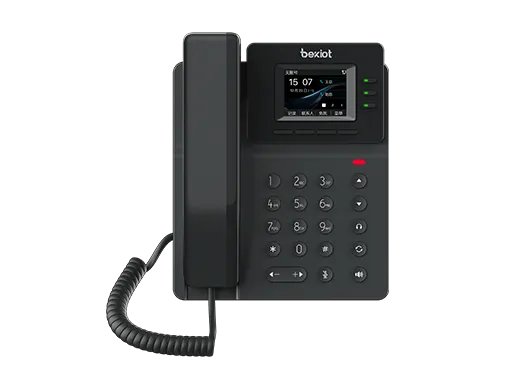
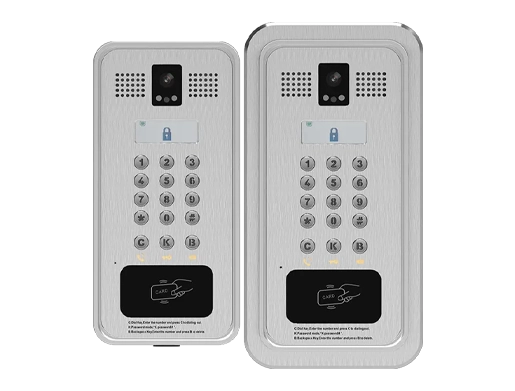
touchpoint

In addition to terminal devices, all personnel, places, and things connected to the network should also be considered.

View Details

resource

Understand best practices, explore innovative solutions, and establish connections with other partners throughout the Baker community.

×

touchpoint

touchpoint

In addition to terminal devices, all personnel, places, and things connected to the network should also be considered.

Learn more

resource

resource

Understand best practices, explore innovative solutions, and establish connections with other partners throughout the Baker community.

Contact Us
How to Import Contacts to the Phone in Bulk?

Introduction

Overview

This article explains how to batch import contact information into the phone directory. It is intended for users who need to add multiple contacts efficiently instead of entering them one by one through the phone interface.

Applicable Models

This method applies to all phone models. In this example, the BX5U is used to demonstrate the process.

Prerequisites

1. One phone connected to a switch and able to obtain an IP address.

2. One configuration PC connected to the same network as the phone, with network access between the PC and the phone confirmed.

Phone and PC Connection Diagram
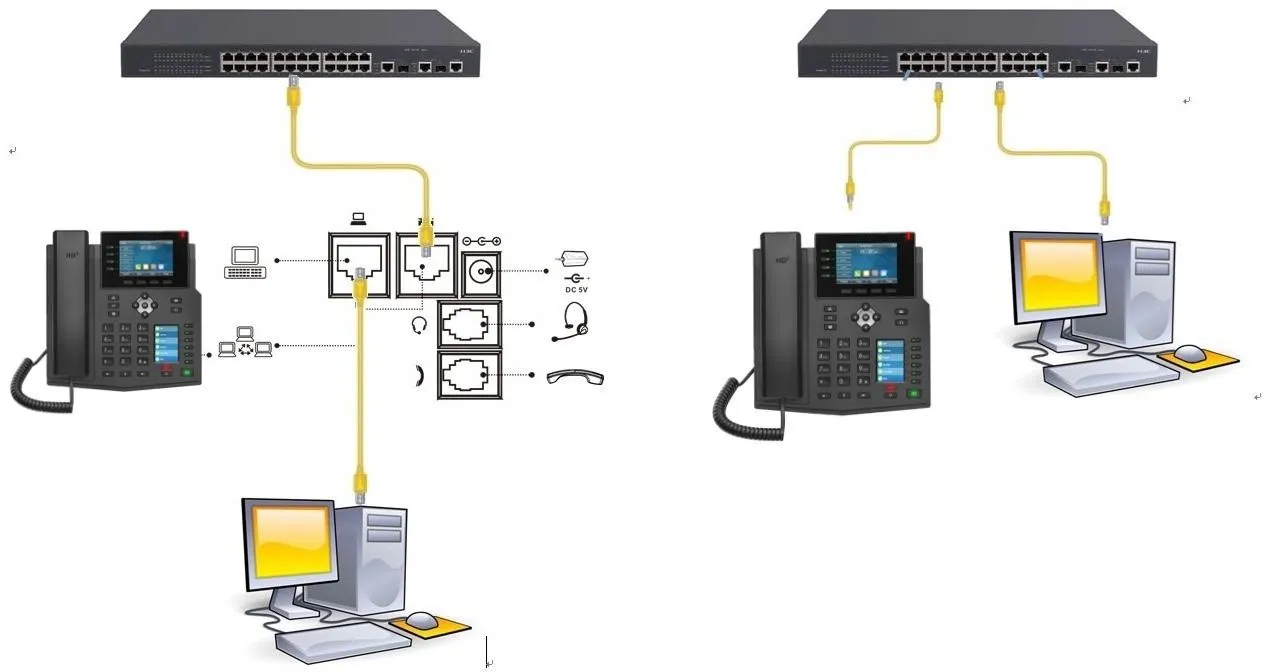
Phone and PC connection diagram

Procedure

Log in to the Phone Web Interface

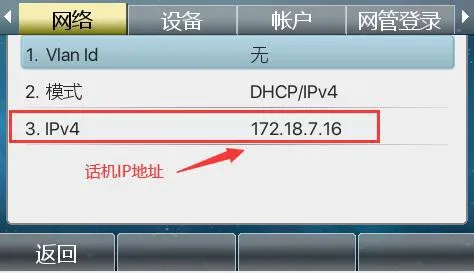
On the phone LCD screen, go to MenuStatus to find the phone IP address.

Checking the phone IP address from the web interface menu

Then open a web browser on the PC and enter the phone IP address in the address bar to access the phone web interface.
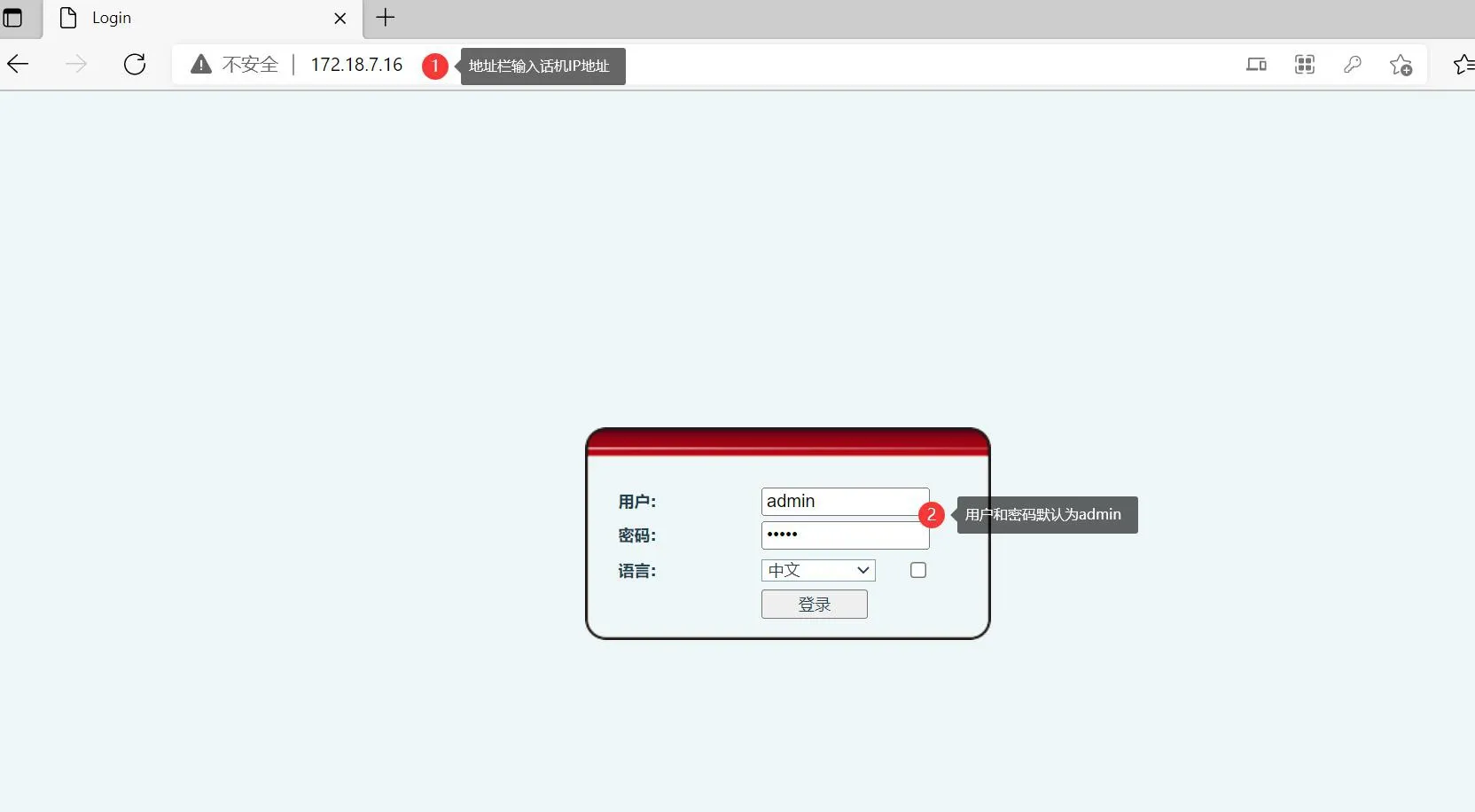
Entering the phone IP address in the browser address bar

Create a Sample Contact

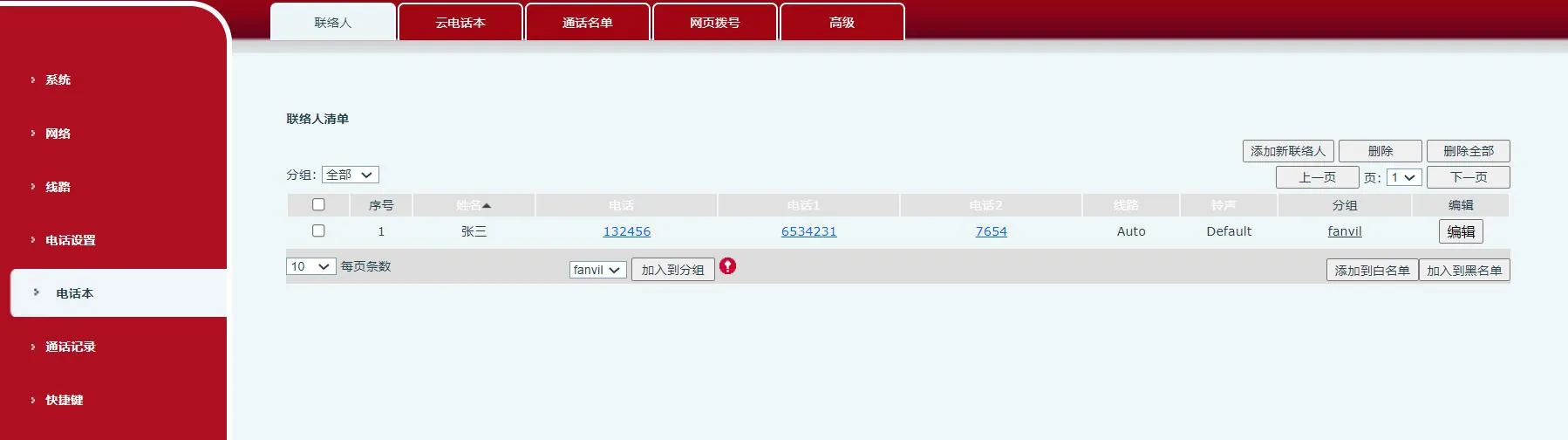
After logging in to the phone web interface, go to Phone BookContactsAdd New Contact. Create one sample contact first, as shown below.
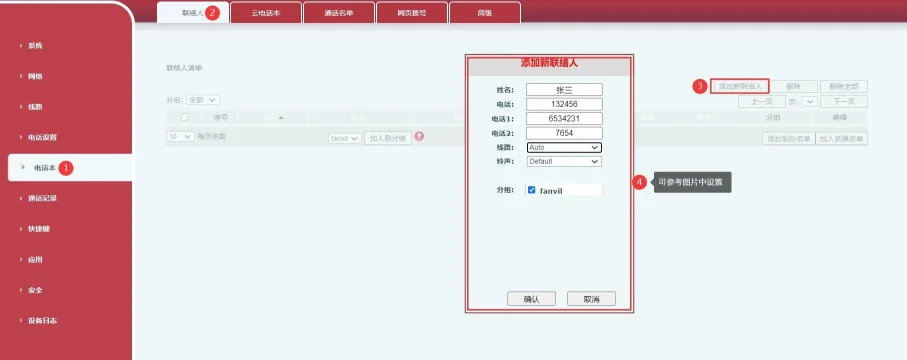
Adding a new contact in the phone web interface 

                                                                                                                                                                               Figure 1

New contact settings in the phone management page 

                                                                                                                                                                             Figure 2

Create Contact Groups

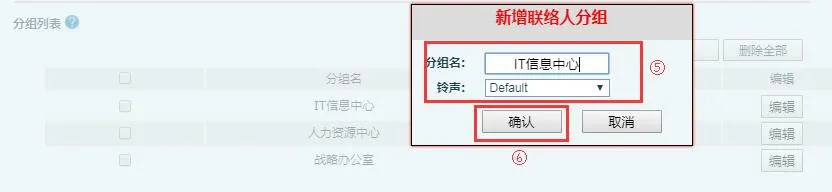
If your contact list needs group information, create the groups before importing contacts. Go to Phone BookAdvancedGroup ListAdd Contact Group, then add the required group names.
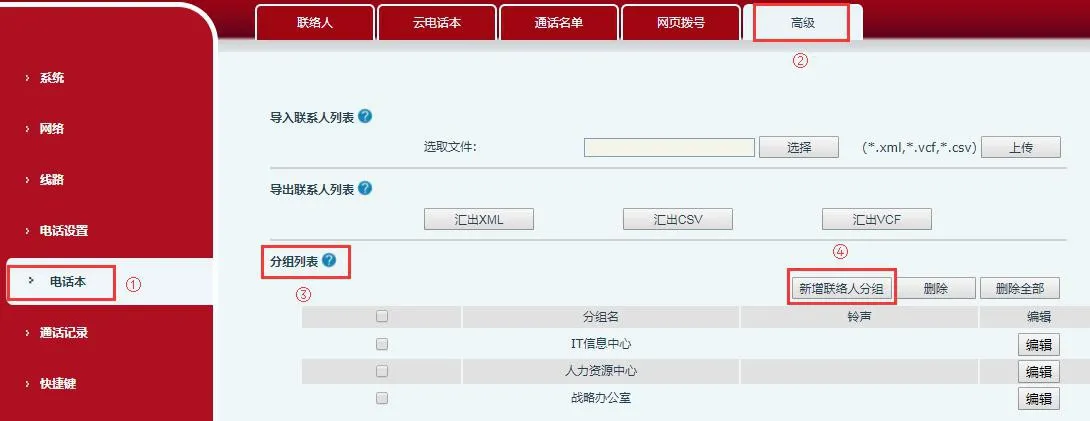
Adding a new contact group in the phone web interface
                                                                                                                                                                          Figure 3

Creating contact groups in the phone management page
                                                                                                                                                                          Figure 4

Export the Contact List Template

In the phone web interface, go to Phone BookAdvanced. In the contact export section, click Export CSV. The phone will export a CSV contact file, usually named contact.csv.

This exported file serves as the correct import template. You can add new contact entries to this file, but the existing file structure and format should remain unchanged to ensure a successful import later.
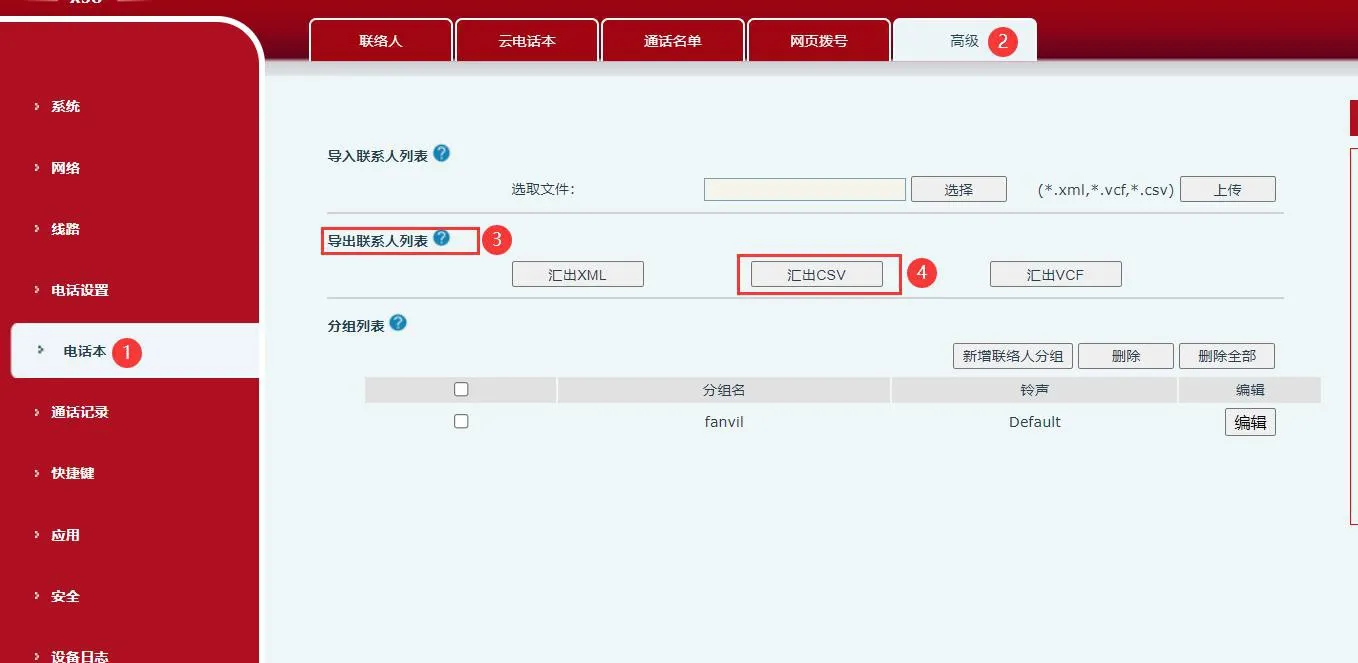
Exporting the contact list from the phone web interface
                                                                                                                                                                        Figure 5

Edit Contacts in a Spreadsheet

You can edit the CSV file using common spreadsheet tools such as Excel or WPS Office. In this example, WPS is used. Open the exported contact.csv file and enter the new contact information.

Field usage is as follows:

The name column is used for the contact name.

The work column is used for the main office number.

The mobile and other columns are used for additional phone numbers.

The ring column defines the ringtone assigned to that contact.

The groups column is used for group assignment. Any group name entered here must already exist on the phone, such as work or home.

After editing, save the file. If the software warns that some formatting may be incompatible, click Yes to continue.
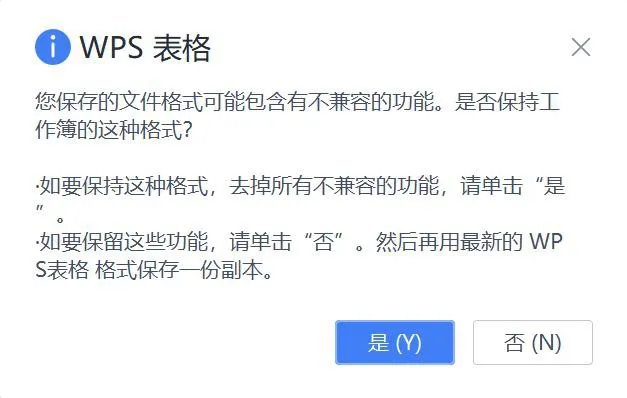
Saving the edited contact CSV file

Convert the Phonebook File Encoding

If you import the edited file directly after opening it in Excel or WPS, the contact names may appear as garbled text on the phone. This happens because the original file encoding may be changed by the spreadsheet software.

To avoid this issue, open the edited phonebook file in UltraEdit. In the menu bar, select FileSave As, and choose the correct file format or encoding as required.
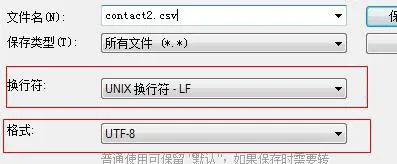
Changing the phonebook file format or encoding

Save the file as contact2.csv. Then import this new file into the phone web interface. The contact list should display correctly without character corruption.

Import the Contact List

In the phone web interface, go to Phone BookAdvancedImport Contact List. Select the prepared contact file and click Upload to complete the import.

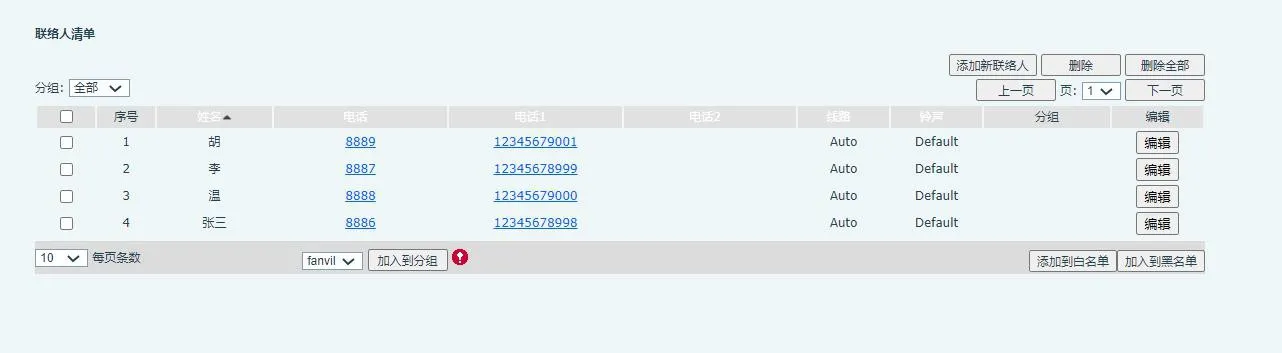
The following images show the import process and the final result.
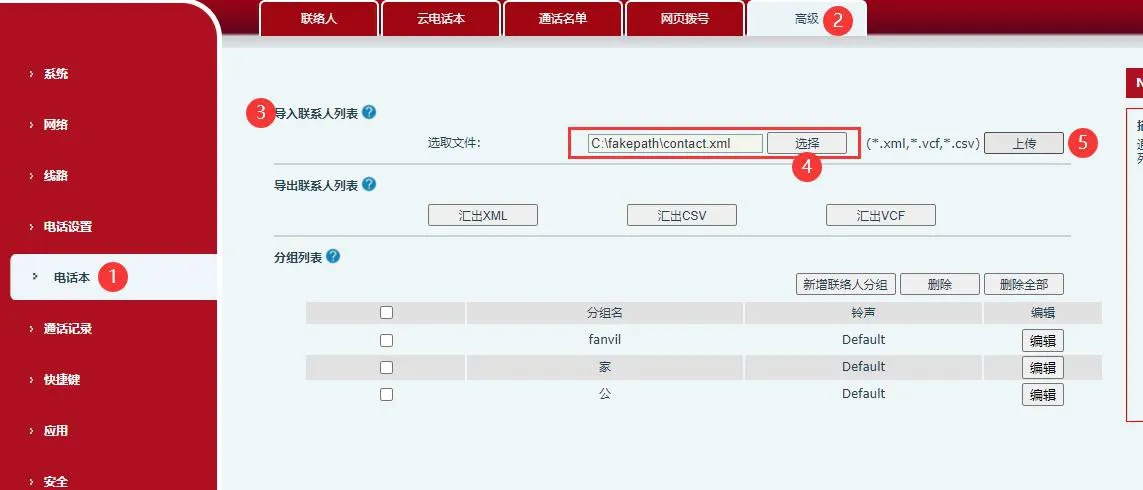
Importing the contact list template into the phone
Imported contact list displayed in the phone web interface

catalogue
Professional industrial communication manufacturer, providing high reliability communication guarantee!
Cooperation Consultation
customer service Phone
We use cookie to improve your online experience. By continuing to browse this website, you agree to our use of cookie.

Cookies

This Cookie Policy explains how we use cookies and similar technologies when you access or use our website and related services. Please read this Policy together with our Terms and Conditions and Privacy Policy so that you understand how we collect, use, and protect information.

By continuing to access or use our Services, you acknowledge that cookies and similar technologies may be used as described in this Policy, subject to applicable law and your available choices.

Updates to This Cookie Policy

We may revise this Cookie Policy from time to time to reflect changes in legal requirements, technology, or our business practices. When we make updates, the revised version will be posted on this page and will become effective from the date of publication unless otherwise required by law.

Where required, we will provide additional notice or request your consent before applying material changes that affect your rights or choices.

What Are Cookies?

Cookies are small text files placed on your device when you visit a website or interact with certain online content. They help websites recognize your browser or device, remember your preferences, support essential functionality, and improve the overall user experience.


In this Cookie Policy, the term “cookies” also includes similar technologies such as pixels, tags, web beacons, and other tracking tools that perform comparable functions.

Why We Use Cookies

We use cookies to help our website function properly, remember user preferences, enhance website performance, understand how visitors interact with our pages, and support security, analytics, and marketing activities where permitted by law.

We use cookies to keep our website functional, secure, efficient, and more relevant to your browsing experience.

Categories of Cookies We Use

Strictly Necessary Cookies

These cookies are essential for the operation of the website and cannot be disabled in our systems where they are required to provide the service you request. They are typically set in response to actions such as setting privacy preferences, signing in, or submitting forms.

Without these cookies, certain parts of the website may not function correctly.

Functional Cookies

Functional cookies enable enhanced features and personalization, such as remembering your preferences, language settings, or previously selected options. These cookies may be set by us or by third-party providers whose services are integrated into our website.

If you disable these cookies, some services or features may not work as intended.

Performance and Analytics Cookies

These cookies help us understand how visitors use our website by collecting information such as traffic sources, page visits, navigation behavior, and general interaction patterns. In many cases, this information is aggregated and does not directly identify individual users.

We use this information to improve website performance, usability, and content relevance.

Targeting and Advertising Cookies

These cookies may be placed by our advertising or marketing partners to help deliver more relevant ads and measure the effectiveness of campaigns. They may use information about your browsing activity across different websites and services to build a profile of your interests.

These cookies generally do not store directly identifying personal information, but they may identify your browser or device.

First-Party and Third-Party Cookies

Some cookies are set directly by our website and are referred to as first-party cookies. Other cookies are set by third-party services, such as analytics providers, embedded content providers, or advertising partners, and are referred to as third-party cookies.

Third-party providers may use their own cookies in accordance with their own privacy and cookie policies.

Information Collected Through Cookies

Depending on the type of cookie used, the information collected may include browser type, device type, IP address, referring website, pages viewed, time spent on pages, clickstream behavior, and general usage patterns.

This information helps us maintain the website, improve performance, enhance security, and provide a better user experience.

Your Cookie Choices

You can control or disable cookies through your browser settings and, where available, through our cookie consent or preference management tools. Depending on your location, you may also have the right to accept or reject certain categories of cookies, especially those used for analytics, personalization, or advertising purposes.

Please note that blocking or deleting certain cookies may affect the availability, functionality, or performance of some parts of the website.

Restricting cookies may limit certain features and reduce the quality of your experience on the website.

Cookies in Mobile Applications

Where our mobile applications use cookie-like technologies, they are generally limited to those required for core functionality, security, and service delivery. Disabling these essential technologies may affect the normal operation of the application.

We do not use essential mobile application cookies to store unnecessary personal information.

How to Manage Cookies

Most web browsers allow you to manage cookies through browser settings. You can usually choose to block, delete, or receive alerts before cookies are stored. Because browser controls vary, please refer to your browser provider’s support documentation for details on how to manage cookie settings.

Contact Us

If you have any questions about this Cookie Policy or our use of cookies and similar technologies, please contact us at support@becke.cc .