Wind farm substations are critical nodes in the renewable energy chain. They collect power from multiple turbines, step up voltage, coordinate protection and control, and connect the wind farm to the wider grid. Although these sites are smaller than many conventional power plants, their communication requirements are highly specialized. Operators must maintain clear voice communication across transformer yards, switchgear rooms, control buildings, cable basements, relay protection rooms, and outdoor service areas while also supporting remote operation, safety management, and emergency response.
A professional PAGA system combines public address, paging, and general alarm into one unified communication platform. In wind farm substations, this system helps operators issue routine notices, work coordination messages, area-specific instructions, emergency warnings, and evacuation guidance through a structured and centralized voice architecture. Instead of depending on disconnected speakers, telephones, or local warning devices, the site gains one coordinated platform for daily operation and abnormal event handling.
Becke Telcom provides industrial communication solutions for demanding and mission-critical environments. For wind farm substations, the solution can integrate PAGA, industrial telephones, SIP communication, emergency intercom, dispatch coordination, and third-party system linkage into a scalable substation-wide communication network that supports both local personnel and remote control teams.
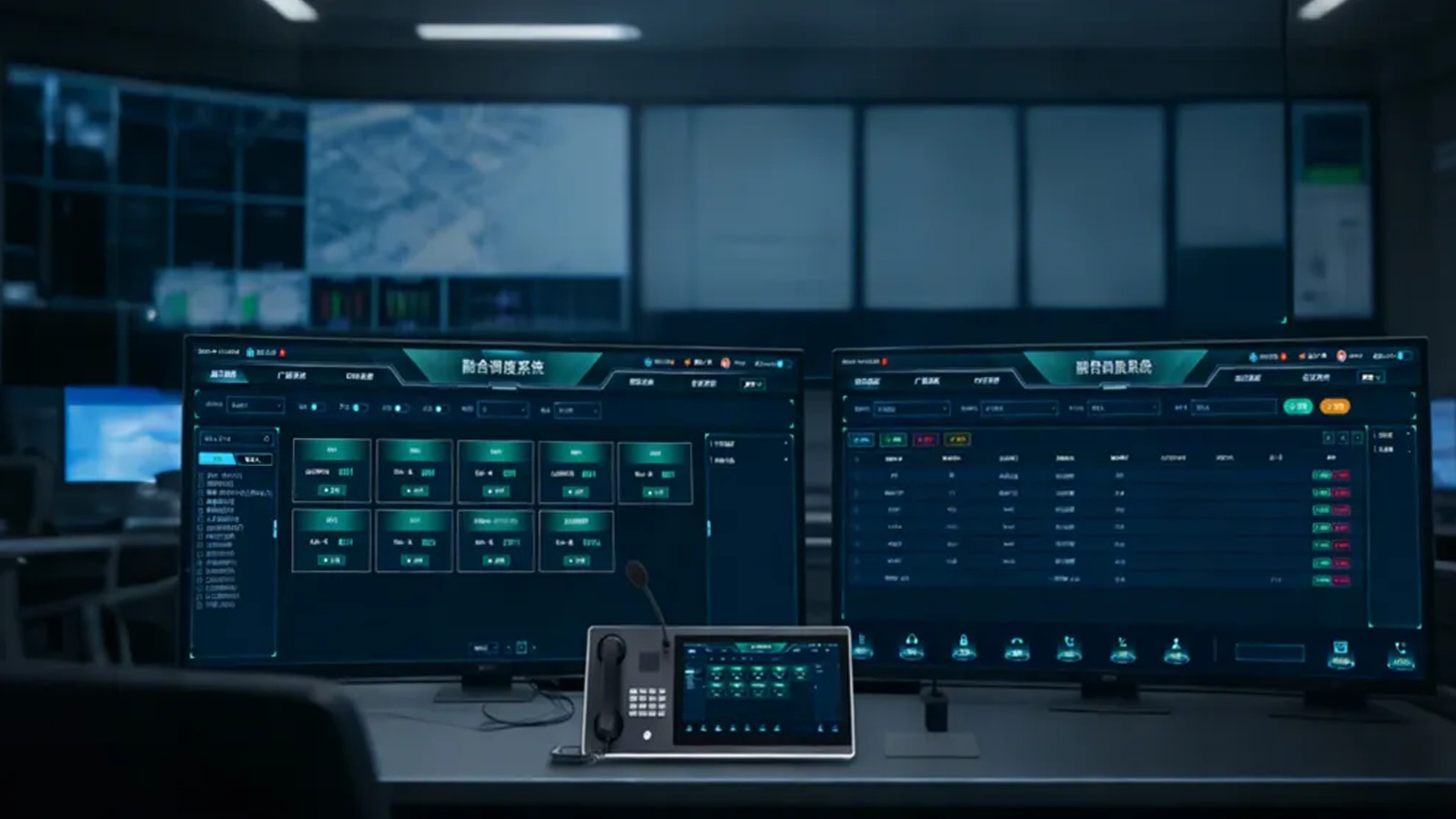
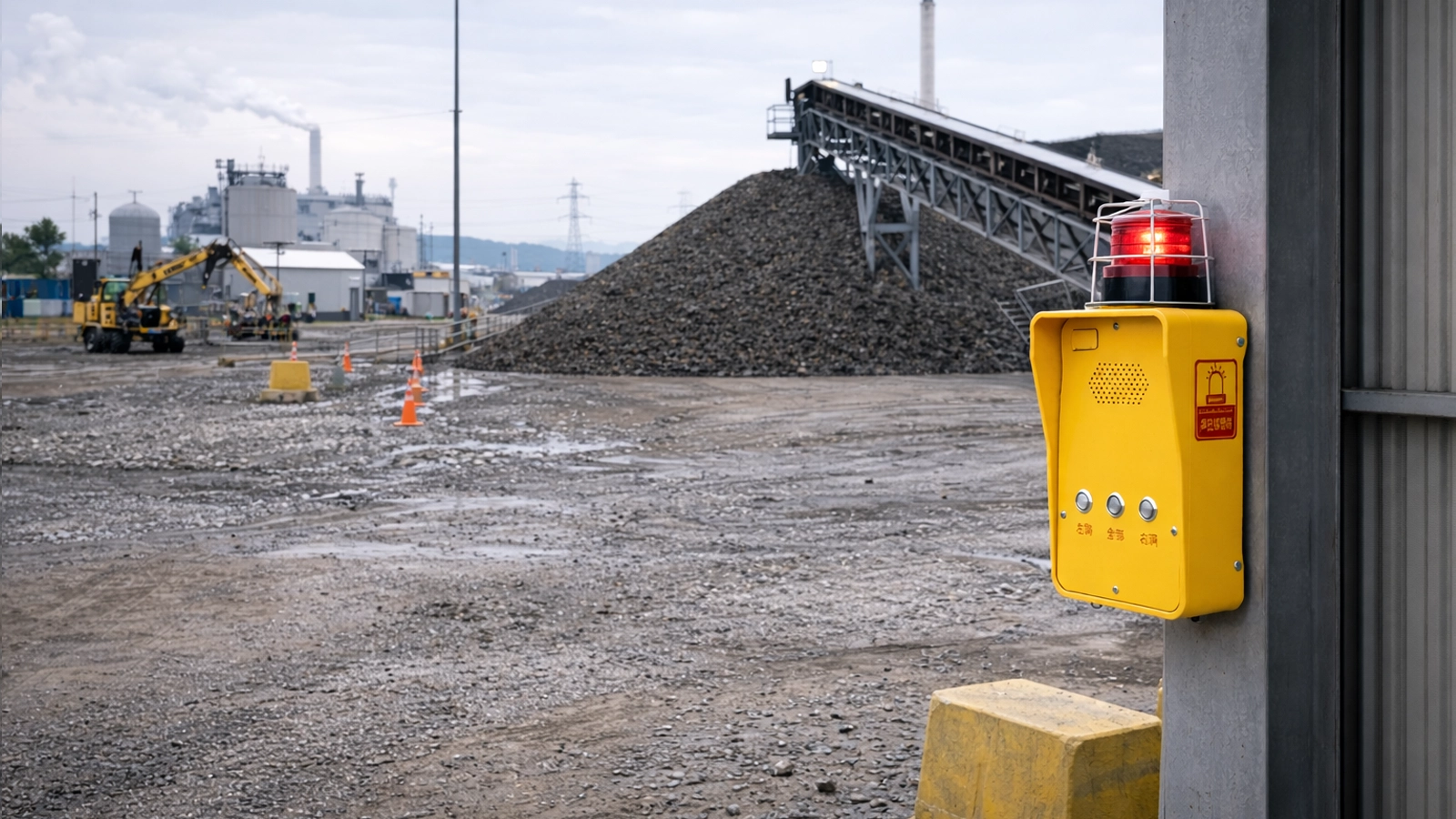
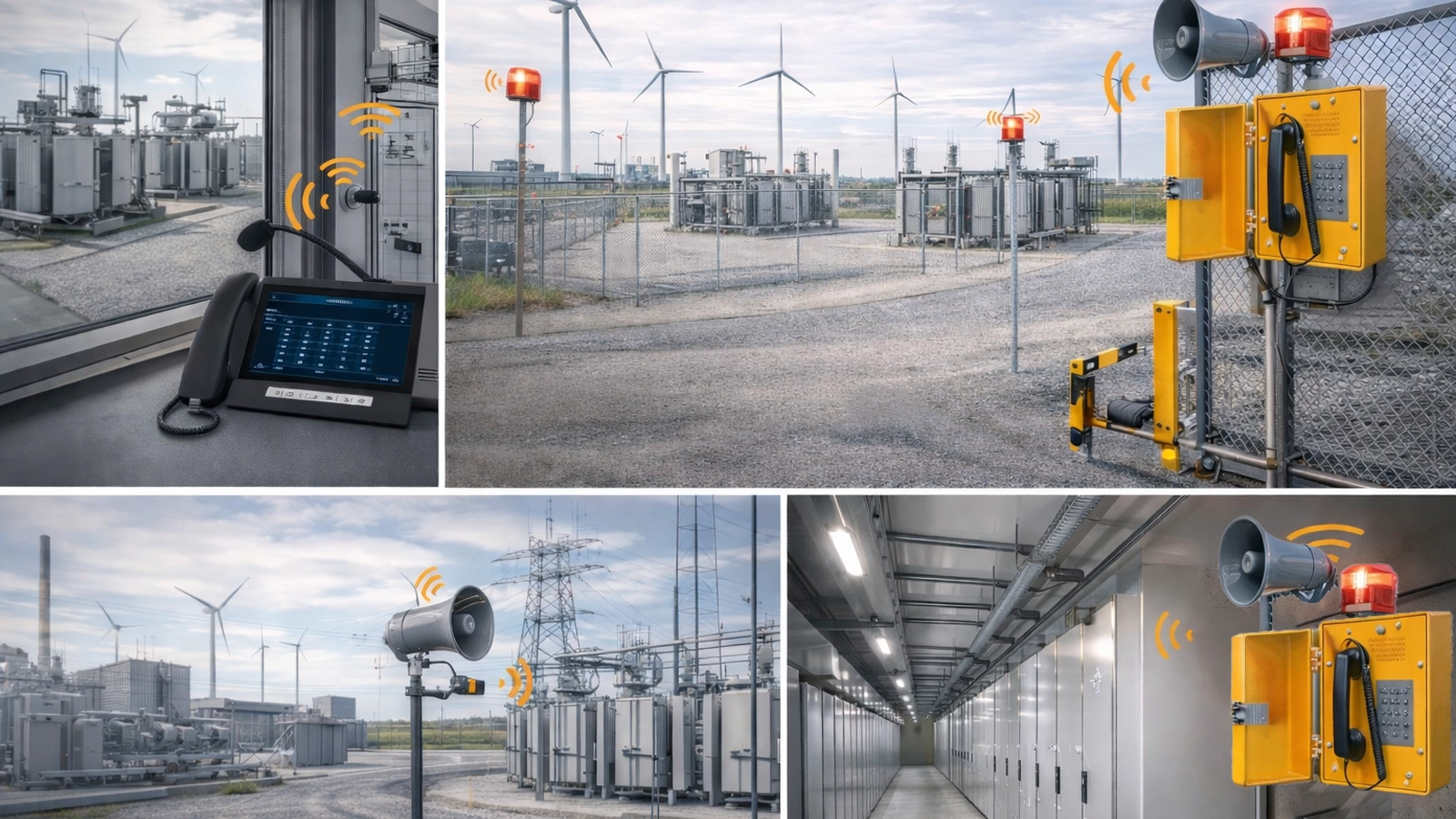
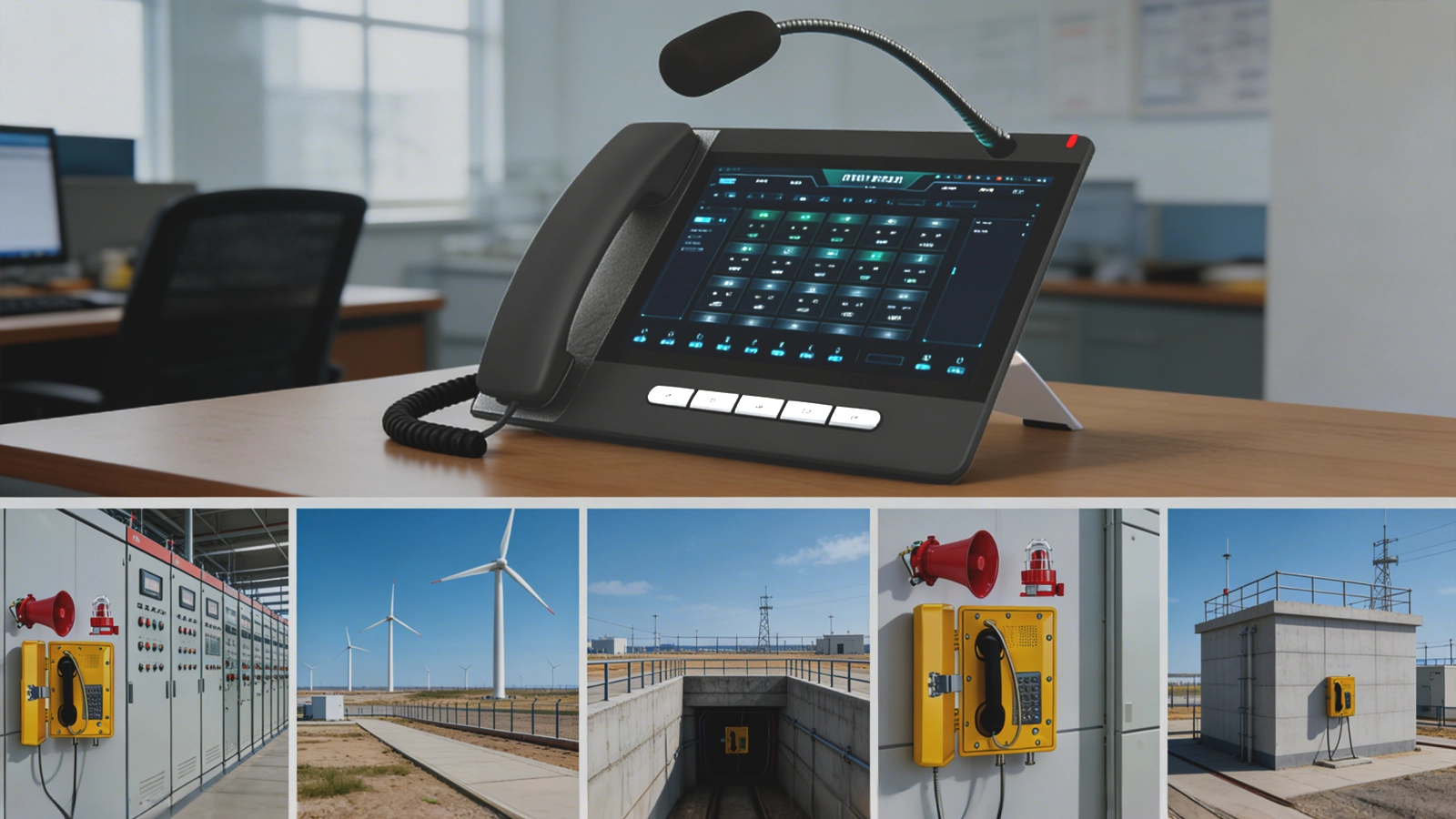
A unified PAGA architecture helps connect the control building, transformer yard, GIS room, and other key substation areas through one coordinated voice and alarm platform.
Why Wind Farm Substations Need an Integrated PAGA System
Wind farm substations operate under a different communication model from many traditional industrial sites. They are often located in remote or semi-remote environments, are increasingly managed through centralized SCADA and substation automation platforms, and may have limited on-site staffing during normal operation. At the same time, they contain high-value electrical equipment and require structured safety communication for switching operations, maintenance coordination, restricted-area control, and abnormal event response.
Routine communication is still important even at low-staff sites. Operators may need to announce maintenance schedules, authorize work entry, warn about switching activities, coordinate inspection tasks, or notify personnel about temporary access restrictions. During emergencies, the communication platform must quickly support general alarm, equipment fault warning, evacuation instruction, and live voice guidance from the local control room or a remote operations center. These demands make a basic speaker system insufficient. A wind farm substation needs a more organized and integrated solution.
Remote or lightly staffed operating environments
Critical electrical assets concentrated in a limited site footprint
Need for both local control and remote operation support
Indoor and outdoor communication zones with different acoustic conditions
Requirement for routine announcements and emergency alarm on one platform
Need to integrate with SCADA, substation automation, CCTV, telephony, and fire alarm systems
In wind farm substations, the value of communication lies in clear, controlled, and timely voice delivery that supports both day-to-day maintenance work and fast emergency response.
System Positioning in Wind Farm Substation Operations
The PAGA system serves as a centralized voice communication backbone for routine substation operation and emergency response. It supports routine public address, zoned paging, general alarm activation, pre-recorded emergency messages, and live operator announcements across the full site. In practical use, it helps ensure that the right instruction reaches the right location with the right priority.
For modern wind power projects, the PAGA platform is most effective when treated as part of the broader substation communication and control environment. It can work alongside industrial telephones, SIP terminals, CCTV, fire alarm systems, access control, substation automation, and wind farm SCADA platforms. This integrated design helps local field teams and remote operators respond more efficiently to both routine work and abnormal events.
Core Components of the Wind Farm Substation PAGA Solution
Central Control Platform
The central control platform manages zone definitions, audio routing, announcement schedules, alarm logic, event handling, and system supervision. It is typically installed in the control building, local operator room, or site communication cabinet. For projects that require higher availability, the control layer can be designed with redundancy to improve service continuity.
Paging Consoles and Operator Workstations
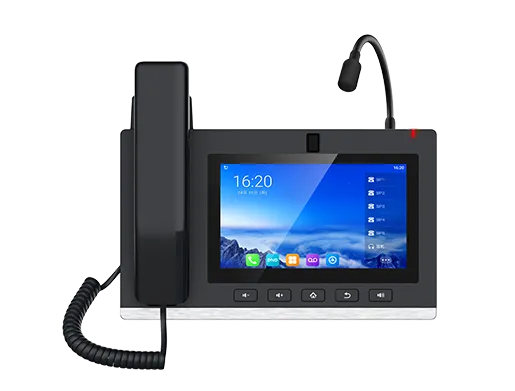
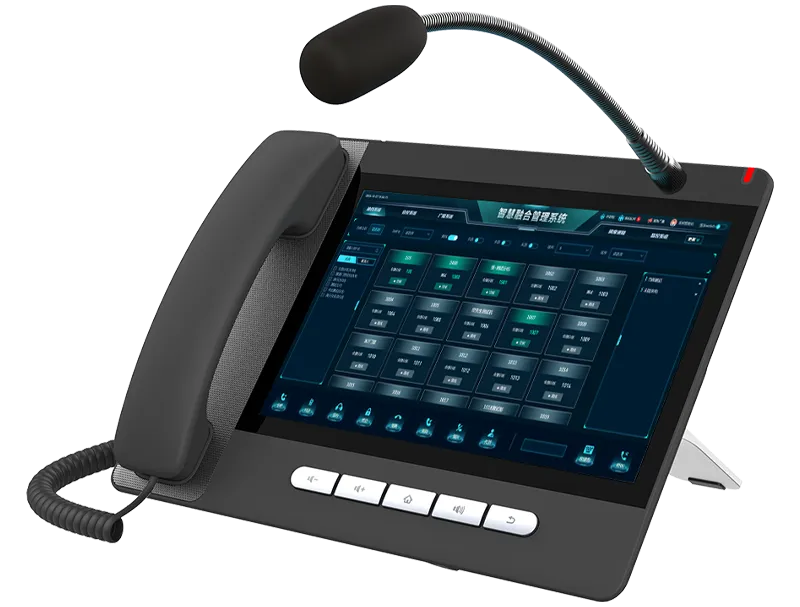
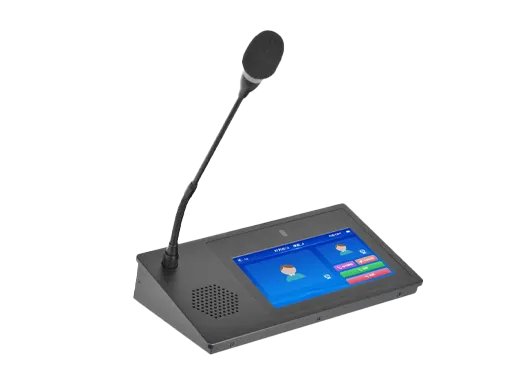
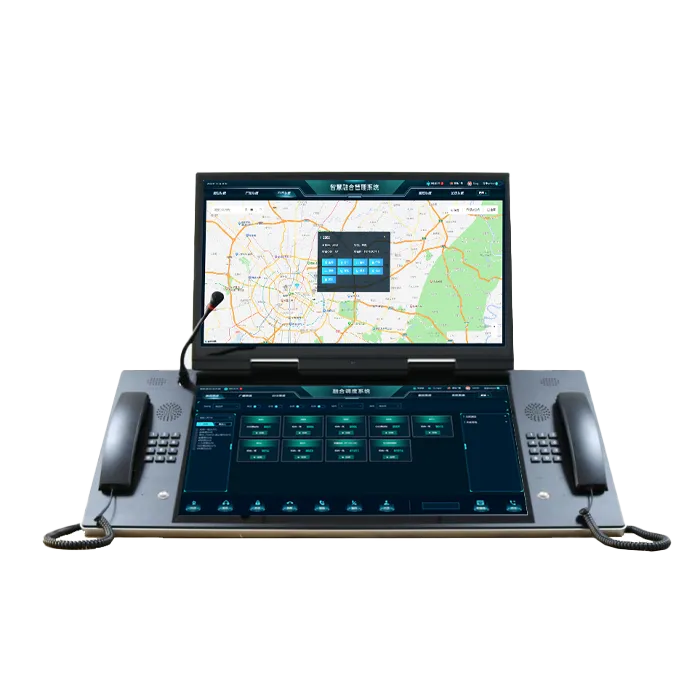
Paging consoles allow authorized personnel to make live announcements to one zone, multiple zones, or the entire substation. Operator workstations may also support event review, alarm handling, call supervision, and communication management. These terminals are useful for both routine coordination and emergency voice command.
Industrial Amplifiers and Speaker Network
The audio output layer includes industrial amplifiers and distributed loudspeakers. Outdoor horn speakers are typically suitable for transformer yards, switchyard access routes, and service roads, while indoor speakers may be used in control buildings, GIS rooms, corridors, and technical rooms. Proper zone planning improves audibility and limits unnecessary disturbance between unrelated areas.
Emergency Communication Terminals
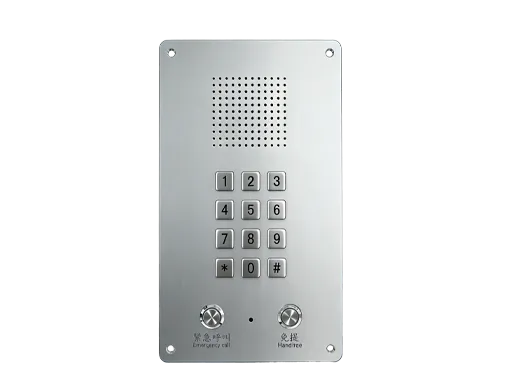
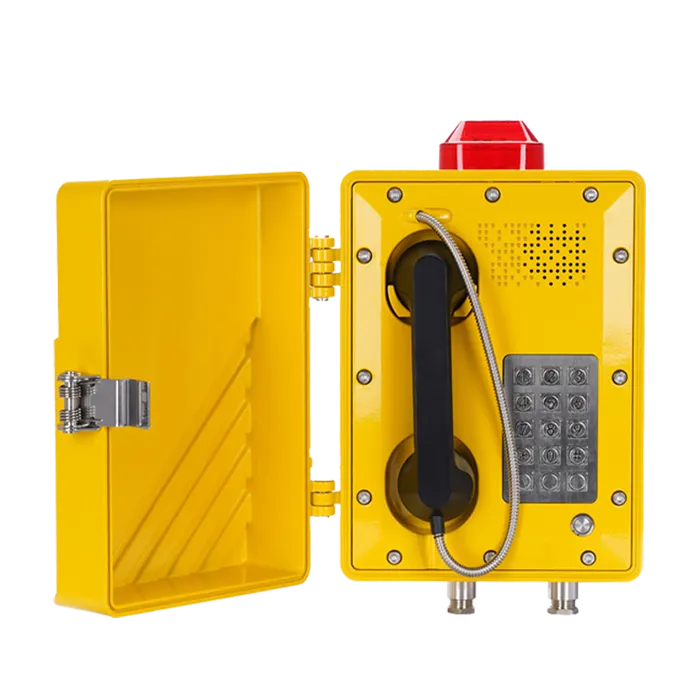
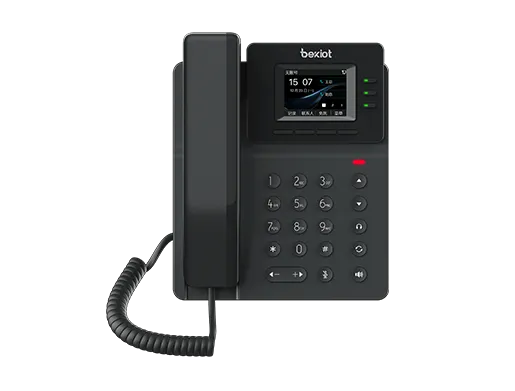
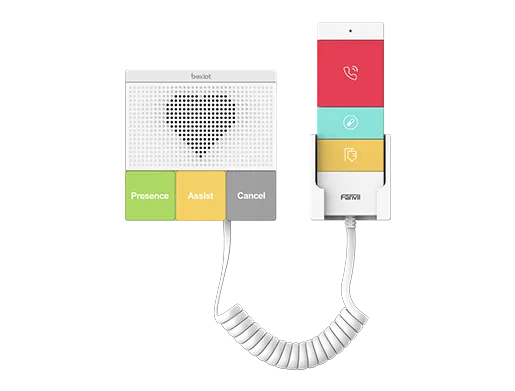
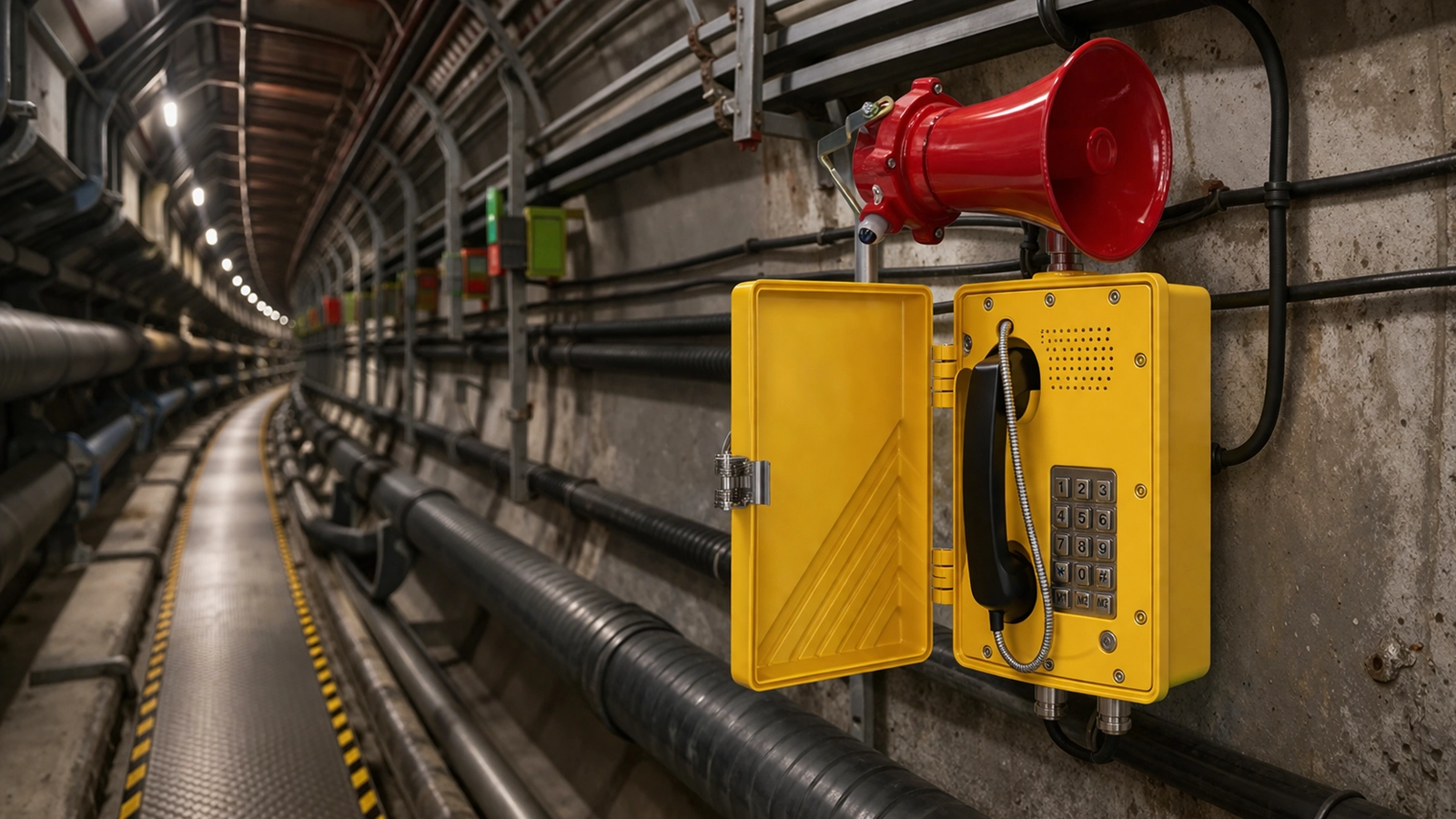
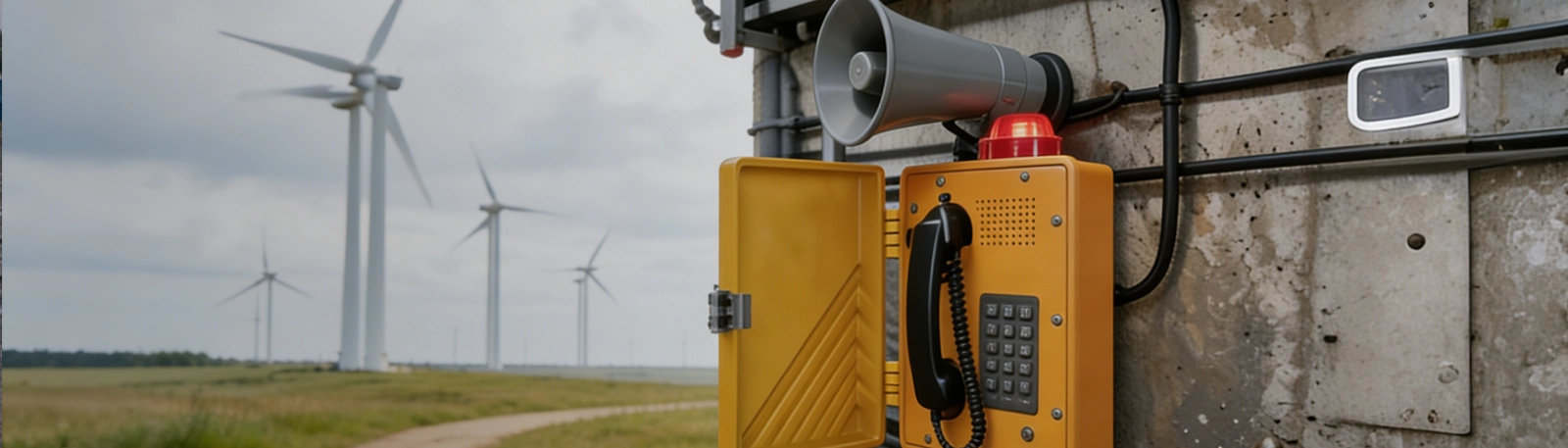
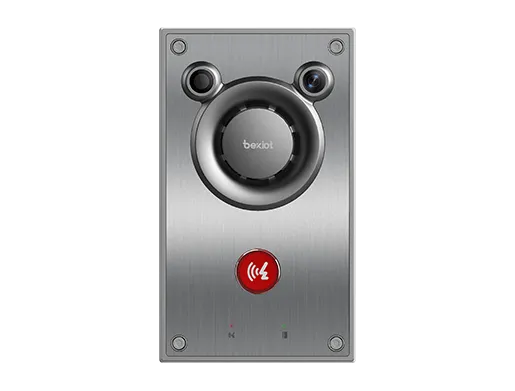
Emergency communication endpoints such as industrial telephones, SIP phones, or intercom terminals can be installed in control buildings, electrical rooms, maintenance zones, cable basements, and selected outdoor positions. These devices support direct voice communication between field personnel and the local or remote control center.
Recording and Management Modules
The system can record live announcements, paging sessions, alarm activations, and selected operator actions. These records help support operational review, maintenance analysis, training, and communication traceability.
Interface and Integration Modules
Interface modules allow the PAGA platform to connect with SCADA, substation automation, fire alarm systems, CCTV, access control, industrial telephony, SIP communication platforms, and dispatch tools. This helps the communication system respond to real site events instead of operating as an isolated audio layer.
Component
Main Role
Typical Deployment
Central Control Platform
Zone management, audio routing, priority control, system supervision
Control building, operator room, communication cabinet
Paging Console
Live announcements, zoned paging, emergency voice command
Control desk, local workstation, remote operation position
Industrial Amplifier and Speaker Network
Routine broadcasting, warning output, general alarm messaging
Transformer yard, GIS room, service corridor, outdoor access area
Emergency Communication Terminal
Direct voice communication and incident reporting
Control building, technical room, cable basement, service point
Interface Module
Integration with SCADA, automation, CCTV, fire alarm, and telephony
System layer, equipment room, control platform
Key Functions of the PAGA System
Routine Public Address
The system supports everyday voice communication for normal operation and maintenance. Typical applications include work notices, safety reminders, switching activity announcements, inspection coordination, contractor guidance, and general substation information. Even at lightly staffed sites, this function helps improve communication discipline and operational clarity.
Zoned Paging
Wind farm substations need targeted communication rather than unnecessary site-wide broadcasting. The solution supports area-based paging so that operators can send the right message only to the relevant location. This improves efficiency and reduces disruption across unrelated work areas.
Typical broadcast and paging zones may include:
Main control room
Local operator room
Transformer yard
GIS or switchgear room
Relay protection room
Cable basement or trench
Auxiliary power room
Outdoor access and service area
Emergency assembly point
General Alarm
When a serious event occurs, the system can trigger a site-wide or area-specific general alarm. This may be used for fire, equipment abnormality, access restriction, emergency instruction, or organized evacuation. General alarm capability is especially important in substations because it helps operators move quickly from normal operation into a controlled response mode.
Emergency Voice Broadcasting
The solution supports both pre-recorded emergency messages and live announcements. Pre-recorded content provides fast and consistent communication, while live paging allows operators to issue situation-specific instructions. Common emergency voice messages may include evacuation instruction, area isolation notice, equipment fault warning, restricted-area notification, and emergency response guidance.
Live Paging from Local or Remote Control
Authorized personnel can issue live messages from the local control building or from a remote operations center, depending on system architecture and project needs. This is a major advantage for wind power projects, where centralized monitoring and remote operation are increasingly important. Live paging helps local technicians and remote operators coordinate more effectively during maintenance, switching work, and abnormal events.
Priority Management
The system can assign different priorities to routine announcements, live paging, emergency communication, and alarm messages. High-priority alarm content automatically overrides lower-priority routine audio, helping ensure that urgent instructions are delivered without delay.
Recording and Playback
Announcement records and alarm logs can be stored for audit, training, and event review. Playback functions help operators confirm communication actions, evaluate incident response quality, and improve future procedures.
Fault Monitoring and Status Supervision
The solution can supervise amplifiers, speaker lines, key terminals, network links, and important broadcast zones. Centralized status monitoring improves maintenance efficiency and supports stronger communication readiness across the substation.
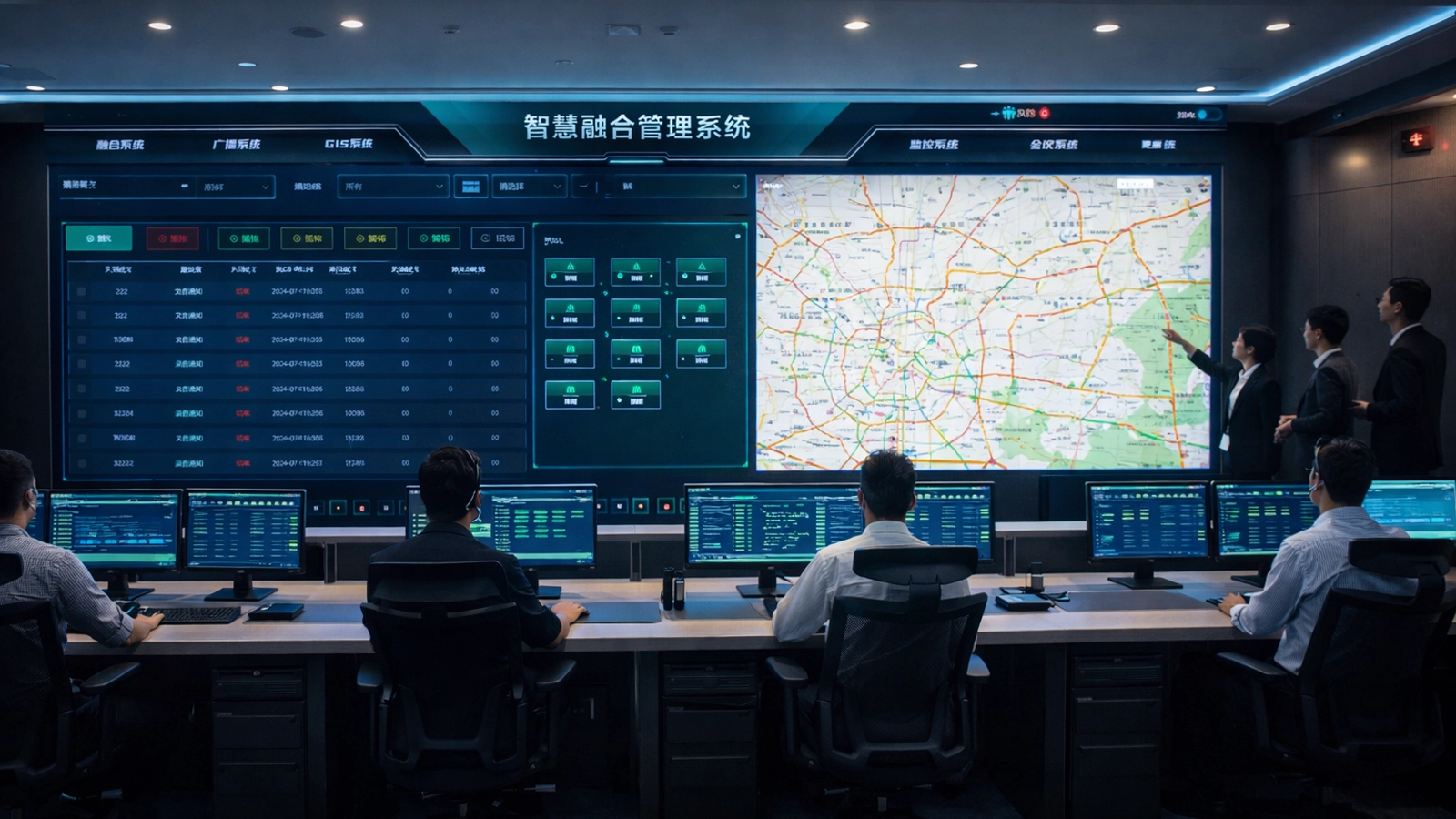
Zoned paging helps operators deliver the correct voice message to the correct substation area while maintaining stronger communication control across the full site.
Typical Deployment Areas in Wind Farm Substations
Deployment planning should follow substation layout, equipment importance, access control, maintenance workflow, and emergency route design. In wind farm substations, communication coverage should focus on the areas where people work, where electrical risk is concentrated, and where emergency instruction may need to be delivered immediately.
Control Building Areas
Typical indoor deployment includes the main control room, local operator room, relay protection room, communication room, service corridor, and other technical spaces. These areas require both routine operational communication and alarm messaging.
Electrical and Outdoor Yard Areas
Outdoor deployment often includes the transformer yard, outdoor switchgear area, equipment access routes, and service paths. These areas benefit from robust speaker coverage that supports both work coordination and emergency warning.
Technical Access and Support Areas
Cable basements, trenches, auxiliary power rooms, maintenance zones, and controlled access sections also benefit from structured communication support. These are areas where targeted instructions and direct communication may be especially valuable during maintenance or incident handling.
Inspection support, local warning, emergency instruction
Distributed voice coverage and linked alarm messaging
Emergency Assembly Point
Personnel guidance and organized evacuation messaging
Priority voice broadcast and alarm output
Integration with SCADA and Substation Automation
One of the most important characteristics of a wind farm substation PAGA solution is its ability to integrate with digital control and monitoring systems. Wind farm substations increasingly operate within a unified environment that includes SCADA, substation automation, remote monitoring, video surveillance, and plant communication tools. The PAGA platform should fit naturally into this architecture.
SCADA integration: communication actions can follow operational events, alarms, and remote supervision workflows
Substation automation integration: site alarms and status conditions can trigger structured voice communication actions
Fire alarm integration: emergency messages can be activated automatically in affected zones
CCTV integration: operators can verify site conditions visually while issuing announcements
Access control integration: area-based messages can support restricted entry and temporary isolation procedures
SIP telephony integration: voice communication can extend into a wider local or remote operations network
For example, if a fire or equipment alarm is triggered in a designated electrical area, the system can activate a zone-specific warning, notify the control room, and allow local or remote operators to issue live follow-up instructions. This creates a more coordinated communication flow across monitoring, control, and response functions.
Design Considerations for Wind Farm Substation Projects
Support for Remote and Local Operation
The communication platform should work well in sites that combine local maintenance access with remote monitoring or remote control. This requires a design that supports both local operator interaction and central coordination.
Clear Zone Definition
Substation environments require accurate area control. The solution should support clearly defined broadcast zones so operators can communicate precisely without unnecessary disturbance.
Reliable Indoor and Outdoor Performance
Because wind farm substations often combine control buildings and outdoor electrical yards, the system should support dependable communication across different environmental and acoustic conditions.
High Availability and Redundancy
For critical sites, redundant design for control hosts, network paths, power supply, and amplifier resources can improve availability and reduce the impact of single-point failures.
Fast Emergency Response
The system should support quick alarm activation, immediate playback of emergency messages, and live operator takeover when conditions change. This improves response speed during abnormal events.
Event Logging and Traceability
Recorded announcements, alarm logs, and communication events help support review, training, and operational traceability, which is especially valuable in remote or low-staff sites.
A strong PAGA solution for wind farm substations is not just a broadcast tool. It is a structured voice communication framework that supports safer maintenance, clearer control, and faster emergency response.
How Becke Telcom Supports Wind Farm Substation Projects
Becke Telcom focuses on industrial communication solutions for demanding and high-reliability environments. In wind farm substations, its PAGA solution is designed to support both routine site communication and emergency response through a unified and scalable architecture.
The solution can integrate public address, general alarm, industrial telephony, emergency intercom, SIP communication, distributed speaker systems, and control-center coordination into one manageable platform. This helps wind power operators improve communication efficiency, maintain stronger area control, and support safer and more organized substation operation.
Unified architecture for public address, alarm, telephony, intercom, and coordination
Flexible zone-based communication for transformer yards, GIS rooms, and control buildings
Integration support for SCADA, automation, fire alarm, CCTV, and SIP systems
Reliable communication design for remote and critical electrical sites
Scalable deployment for onshore or offshore wind substation environments
Practical Value of the Solution
For wind power developers, EPC contractors, operators, and system integrators, a professional PAGA solution provides value in both operational efficiency and safety management.
Improves substation-wide voice communication efficiency
Supports unified management of routine broadcasting and emergency alarm
Enhances response speed during equipment faults and evacuation scenarios
Strengthens coordination between field teams and remote operators
Reduces delay, confusion, and missed instructions in critical site areas
Supports safer and more manageable wind power substation operation
Conclusion
A PAGA Solution for Wind Farm Substations is an important part of modern substation communication and safety support. In environments where remote operation, critical electrical assets, controlled access, and emergency readiness all affect communication requirements, a unified platform for public address, paging, and general alarm provides a more dependable way to support both routine work and abnormal event response.
By combining routine broadcasting, zoned paging, general alarm, live voice command, and integration with SCADA and substation automation into one coordinated architecture, wind farm operators can improve communication efficiency, strengthen site safety, and build a substation-wide voice framework better suited to modern wind power projects.
FAQ
What is a PAGA system for wind farm substations?
It is an integrated communication system that combines public address, paging, and general alarm to support routine broadcasting, area-based voice communication, and emergency warning across the substation.
Why is zoned paging important in wind farm substations?
Zoned paging allows operators to send the right message to the right area, such as the transformer yard, GIS room, or control building, without disturbing unrelated work zones.
Can the system support remote operation environments?
Yes. The solution can be designed to support local operation and remote coordination, which is especially useful for modern wind power projects with centralized monitoring.
Can this solution integrate with SCADA and other substation systems?
Yes. It can integrate with SCADA, substation automation, fire alarm, CCTV, SIP telephony, and other communication or monitoring platforms for more coordinated site operation.
We use cookie to improve your online experience. By continuing to browse this website, you agree to our use of cookie.
Cookies
This Cookie Policy explains how we use cookies and similar technologies when you access or use our website and related services. Please read this Policy together with our Terms and Conditions and Privacy Policy so that you understand how we collect, use, and protect information.
By continuing to access or use our Services, you acknowledge that cookies and similar technologies may be used as described in this Policy, subject to applicable law and your available choices.
Updates to This Cookie Policy
We may revise this Cookie Policy from time to time to reflect changes in legal requirements, technology, or our business practices. When we make updates, the revised version will be posted on this page and will become effective from the date of publication unless otherwise required by law.
Where required, we will provide additional notice or request your consent before applying material changes that affect your rights or choices.
What Are Cookies?
Cookies are small text files placed on your device when you visit a website or interact with certain online content. They help websites recognize your browser or device, remember your preferences, support essential functionality, and improve the overall user experience.
In this Cookie Policy, the term “cookies” also includes similar technologies such as pixels, tags, web beacons, and other tracking tools that perform comparable functions.
Why We Use Cookies
We use cookies to help our website function properly, remember user preferences, enhance website performance, understand how visitors interact with our pages, and support security, analytics, and marketing activities where permitted by law.
We use cookies to keep our website functional, secure, efficient, and more relevant to your browsing experience.
Categories of Cookies We Use
Strictly Necessary Cookies
These cookies are essential for the operation of the website and cannot be disabled in our systems where they are required to provide the service you request. They are typically set in response to actions such as setting privacy preferences, signing in, or submitting forms.
Without these cookies, certain parts of the website may not function correctly.
Functional Cookies
Functional cookies enable enhanced features and personalization, such as remembering your preferences, language settings, or previously selected options. These cookies may be set by us or by third-party providers whose services are integrated into our website.
If you disable these cookies, some services or features may not work as intended.
Performance and Analytics Cookies
These cookies help us understand how visitors use our website by collecting information such as traffic sources, page visits, navigation behavior, and general interaction patterns. In many cases, this information is aggregated and does not directly identify individual users.
We use this information to improve website performance, usability, and content relevance.
Targeting and Advertising Cookies
These cookies may be placed by our advertising or marketing partners to help deliver more relevant ads and measure the effectiveness of campaigns. They may use information about your browsing activity across different websites and services to build a profile of your interests.
These cookies generally do not store directly identifying personal information, but they may identify your browser or device.
First-Party and Third-Party Cookies
Some cookies are set directly by our website and are referred to as first-party cookies. Other cookies are set by third-party services, such as analytics providers, embedded content providers, or advertising partners, and are referred to as third-party cookies.
Third-party providers may use their own cookies in accordance with their own privacy and cookie policies.
Information Collected Through Cookies
Depending on the type of cookie used, the information collected may include browser type, device type, IP address, referring website, pages viewed, time spent on pages, clickstream behavior, and general usage patterns.
This information helps us maintain the website, improve performance, enhance security, and provide a better user experience.
Your Cookie Choices
You can control or disable cookies through your browser settings and, where available, through our cookie consent or preference management tools. Depending on your location, you may also have the right to accept or reject certain categories of cookies, especially those used for analytics, personalization, or advertising purposes.
Please note that blocking or deleting certain cookies may affect the availability, functionality, or performance of some parts of the website.
Restricting cookies may limit certain features and reduce the quality of your experience on the website.
Cookies in Mobile Applications
Where our mobile applications use cookie-like technologies, they are generally limited to those required for core functionality, security, and service delivery. Disabling these essential technologies may affect the normal operation of the application.
We do not use essential mobile application cookies to store unnecessary personal information.
How to Manage Cookies
Most web browsers allow you to manage cookies through browser settings. You can usually choose to block, delete, or receive alerts before cookies are stored. Because browser controls vary, please refer to your browser provider’s support documentation for details on how to manage cookie settings.
Contact Us
If you have any questions about this Cookie Policy or our use of cookies and similar technologies, please contact us at support@becke.cc .