IP Paging and Intercom Solutions: Next-Generation Communication for Global Organizations
IP Paging and Intercom Solutions combine SIP-based paging, two-way intercom, centralized management, emergency alerts, and hybrid cloud integration for safer, smarter global communication.
Becke Telcom
Global organizations need communication systems that do more than broadcast one-way messages. Across corporate campuses, manufacturing plants, logistics centers, hospitals, schools, retail chains, and transport facilities, teams must share information quickly, control access securely, and respond to incidents without delay. Traditional analog paging and isolated intercom systems can no longer meet these requirements. Modern enterprises need network-based communication that is scalable, secure, centrally managed, and easy to integrate with broader IT, security, and collaboration environments.
A modern IP paging and intercom solution combines IP speakers, SIP intercoms, centralized control software, and open integration capability into one coordinated platform. Instead of treating paging, intercom, emergency alerts, and operational announcements as separate layers, organizations can connect them into one communication framework that supports daily operations, access control, and emergency response.
Becke Telcom provides professional communication solutions for industrial, commercial, and multi-site enterprise environments. By integrating IP paging, two-way intercom, public address, emergency communication, and centralized management, the solution helps global organizations improve safety, strengthen operational coordination, and modernize voice communication across distributed sites.
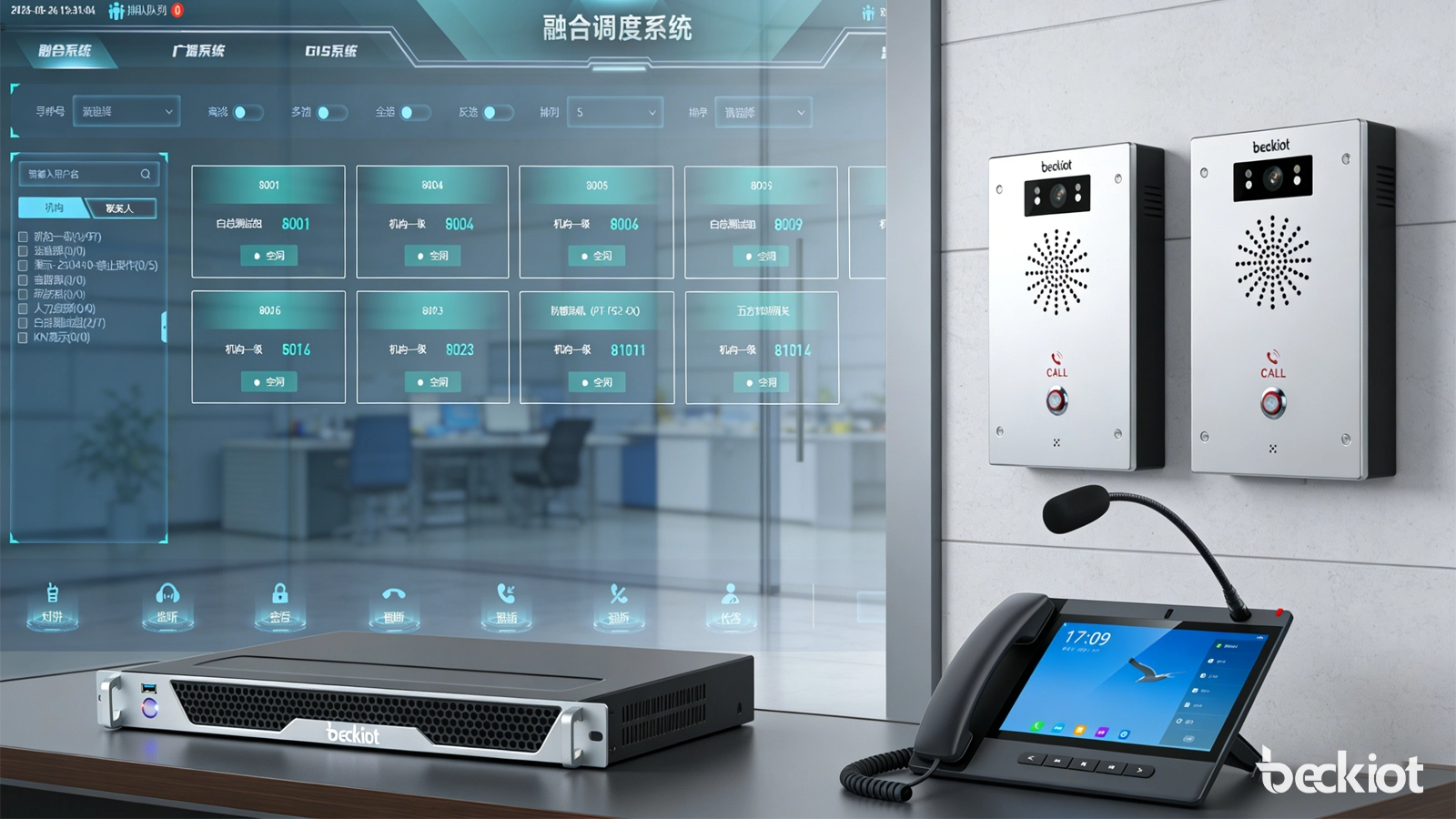
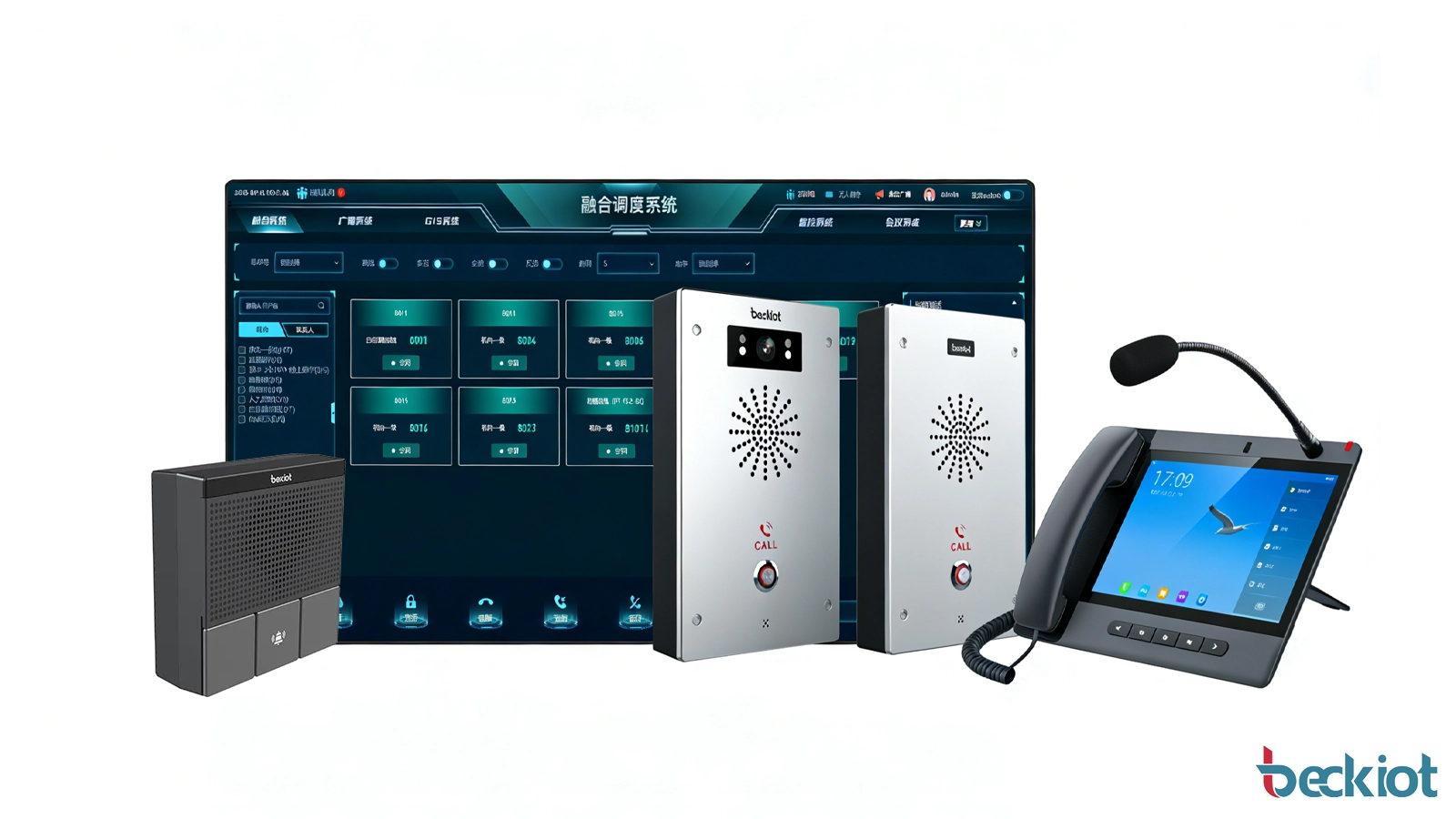
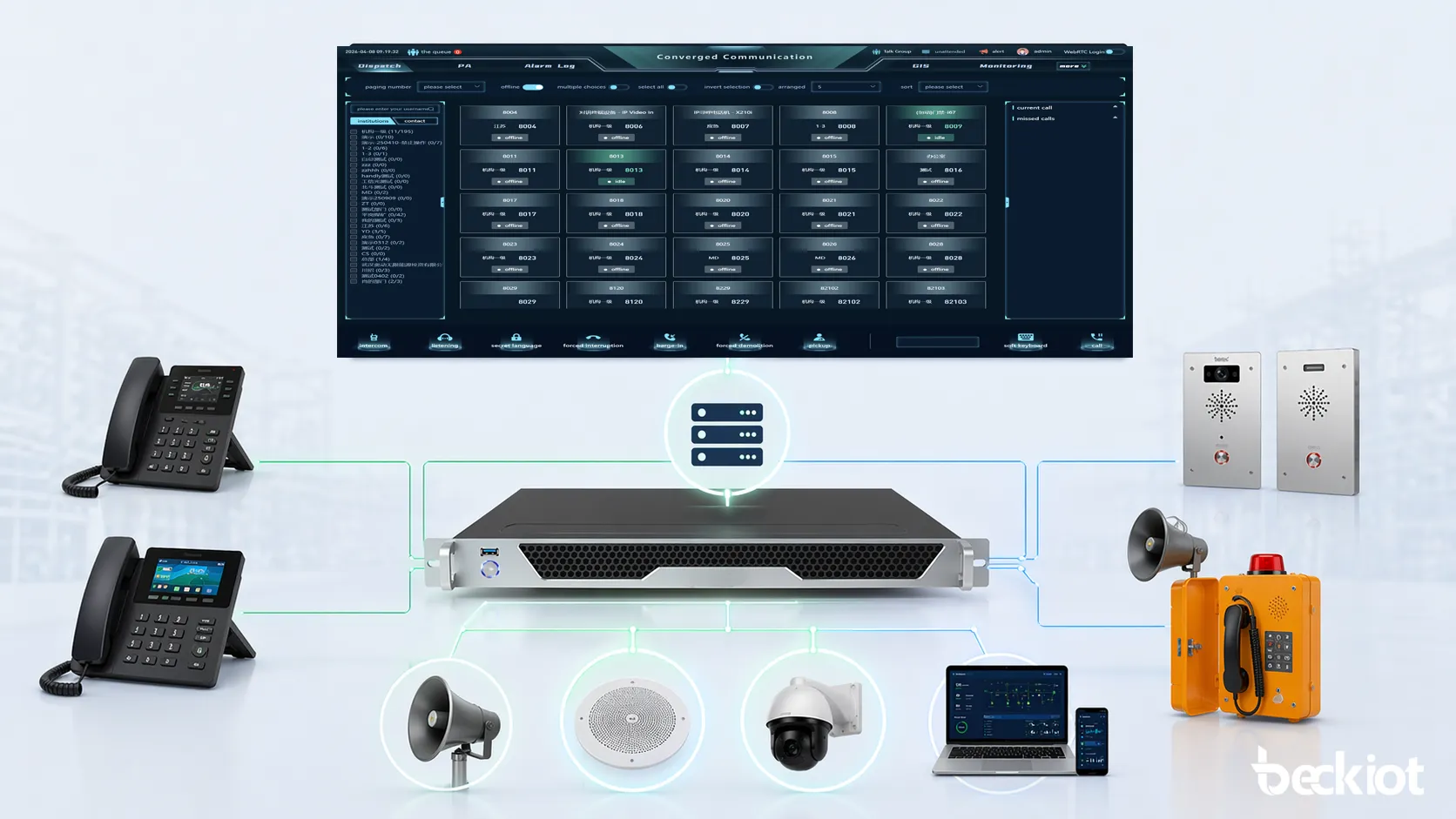
A next-generation IP paging and intercom platform connects speakers, intercoms, control software, and enterprise systems into one unified communication architecture.
Why Traditional Paging and Intercom Systems No Longer Fit Modern Enterprises
Traditional paging systems were designed for local, fixed, and isolated environments. They often relied on analog amplifiers, hardwired speaker loops, limited zoning, and separate control points. While these systems could deliver basic announcements, they were difficult to scale across multiple sites, complicated to modify, and hard to integrate with modern collaboration, security, and incident management platforms.
Today’s organizations operate differently. They often manage multiple facilities across regions or countries, support hybrid work models, and need communication systems that can be monitored and updated remotely. They also need more than one-way audio. Modern enterprises expect targeted zone paging, two-way intercom communication, centralized device management, emergency notification workflows, and flexible deployment across cloud, on-premises, or hybrid environments.
Legacy systems are difficult to expand across multiple sites
Traditional paging often lacks two-way communication capability
Separate voice, security, and alerting systems create operational silos
Analog infrastructure can be expensive to modify or migrate
Modern enterprises need centralized visibility and remote administration
Emergency communication now requires faster, broader, and more coordinated delivery
The next stage of enterprise communication is not just about replacing analog hardware. It is about unifying paging, intercom, alerts, and operational voice workflows into one manageable platform.
What Makes IP Paging and Intercom Next-Generation
“Next-generation” in this context means more than network connectivity. It refers to a broader shift from isolated voice devices to integrated communication ecosystems. IP paging and intercom systems now support open standards, centralized control, hybrid deployment models, advanced security, and integration with unified communications, video security, access control, and emergency notification tools.
For global organizations, this matters because communication must now work across buildings, campuses, countries, and operational teams. A modern IP solution allows announcements, calls, warnings, and door communication to be managed through a shared platform instead of through disconnected devices and region-specific systems.
Open and Interoperable Architecture
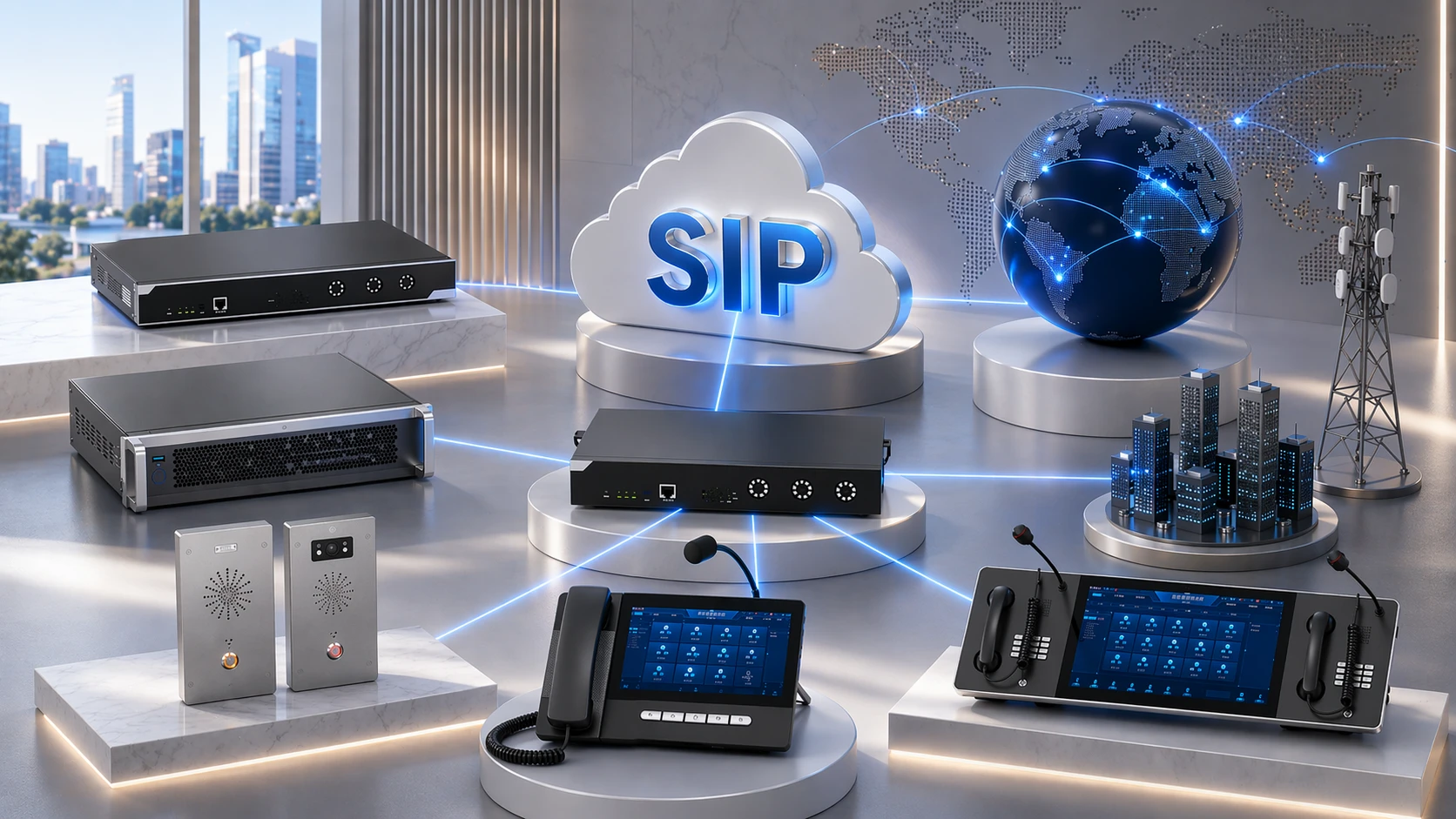
Modern IP paging and intercom solutions are built around open standards such as SIP and other widely adopted integration frameworks. This makes it easier to connect paging speakers, intercom devices, telephony platforms, and security systems without locking the organization into a closed architecture.
Centralized Management
Instead of configuring each local system separately, administrators can manage zones, schedules, endpoints, users, and alerts from one interface. This reduces maintenance effort and makes multi-site communication more consistent.
Hybrid and Cloud-Ready Deployment
Enterprises do not always replace everything at once. Many need a migration path that allows IP endpoints to work alongside existing analog amplifiers, legacy speakers, or established voice platforms. A next-generation solution supports both full IP deployment and phased migration.
Security by Design
As voice systems move onto enterprise networks, security becomes essential. A modern IP paging and intercom platform should support secure signaling, encrypted media, protected device onboarding, and role-based access to management functions.
Core Components of an IP Paging and Intercom Solution
IP Speakers and Paging Endpoints
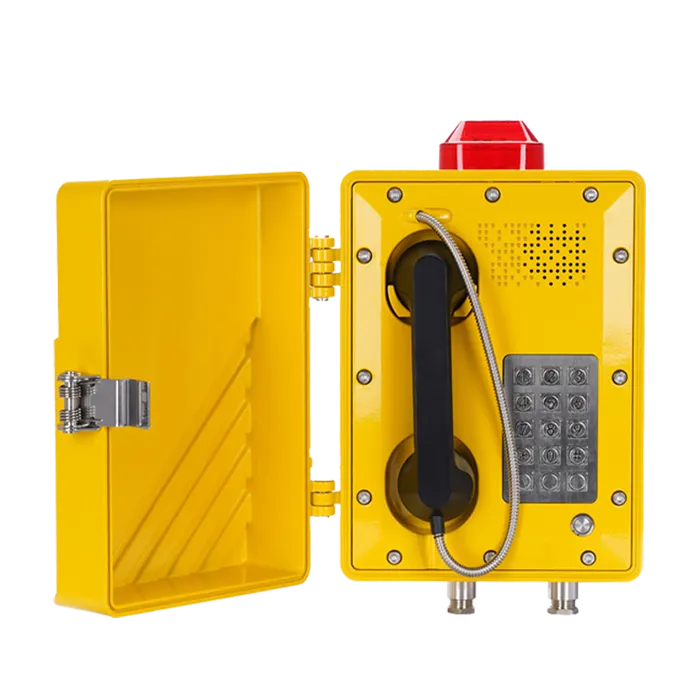
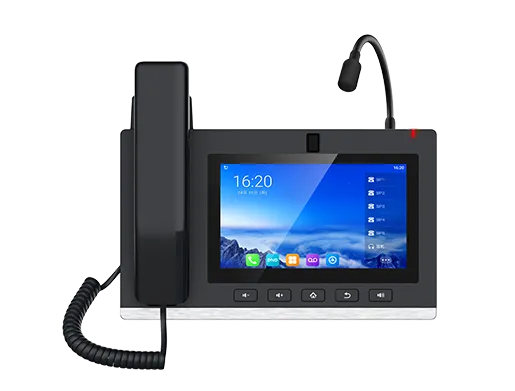
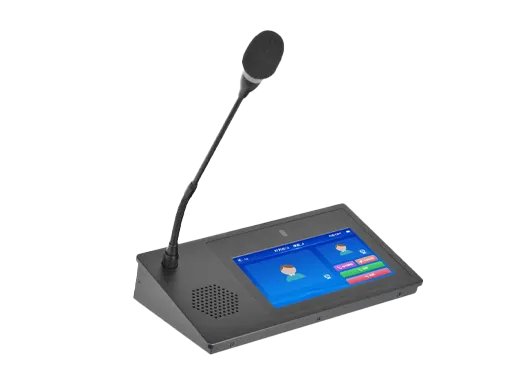
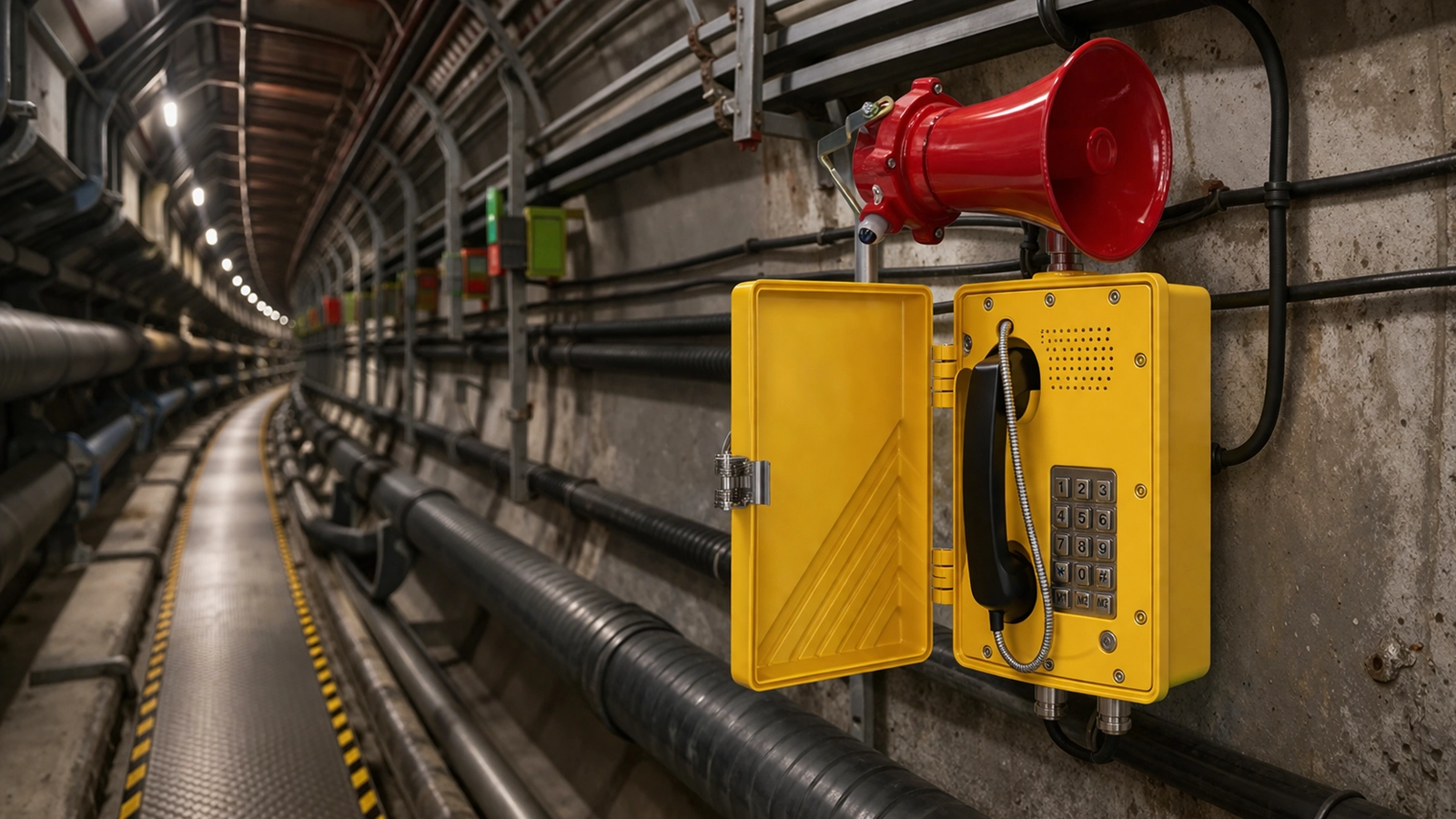
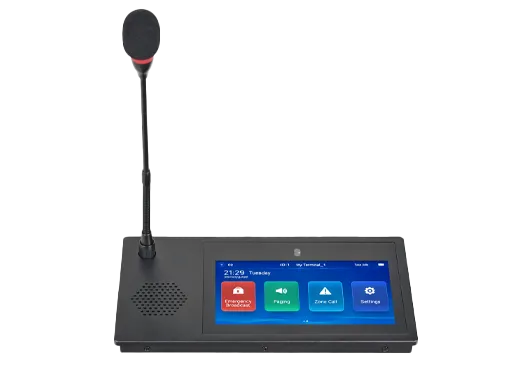
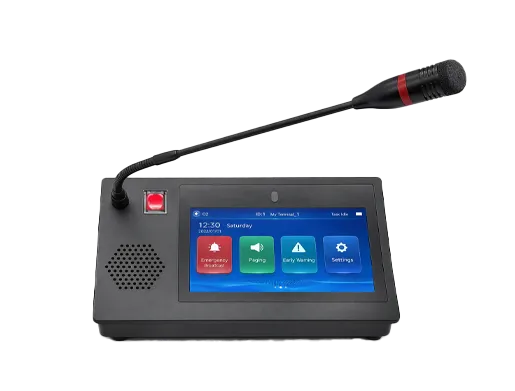
IP speakers deliver live paging, scheduled announcements, pre-recorded audio, emergency warnings, and localized information across enterprise spaces. Depending on the environment, the system may use ceiling speakers, wall-mounted speakers, horn speakers, desktop paging endpoints, or outdoor-rated units for large open areas.
SIP Intercom Devices
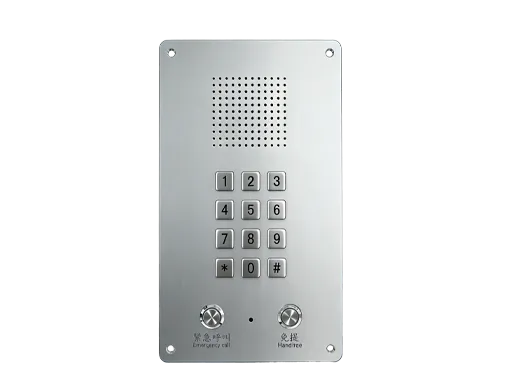
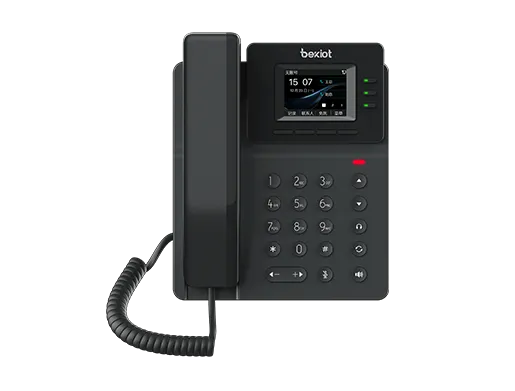
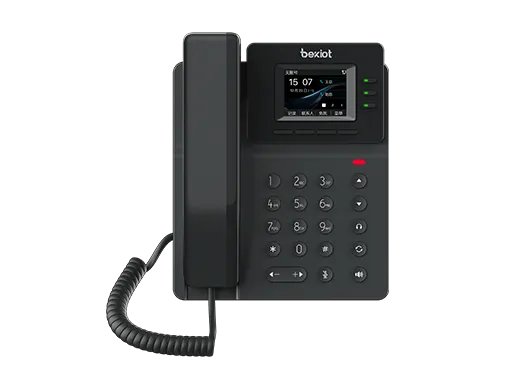
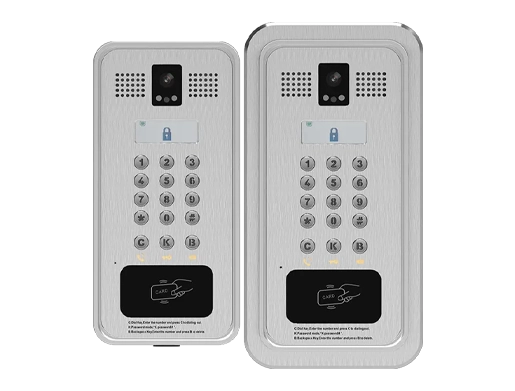
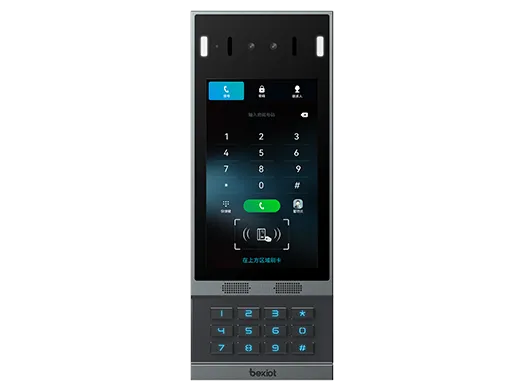
SIP intercom endpoints provide two-way voice communication at entrances, gates, loading bays, restricted doors, warehouse zones, reception areas, clean rooms, and other operational points. These devices help organizations manage both service workflows and security-related communication.
Paging Adapters and Hybrid Interfaces
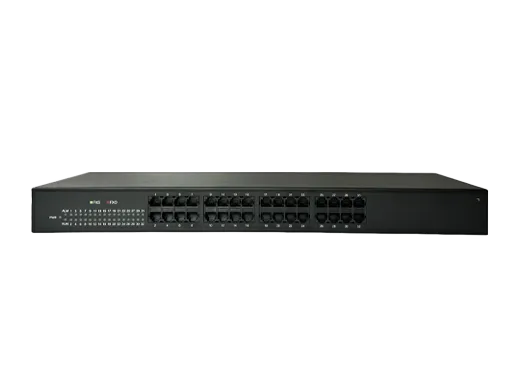
Paging adapters can bridge IP communication platforms to legacy amplifiers and existing speaker circuits, making modernization more practical for organizations that want to preserve previous infrastructure investments. This is especially valuable in large enterprises with mixed generations of communication hardware.
Central Management and Control Software
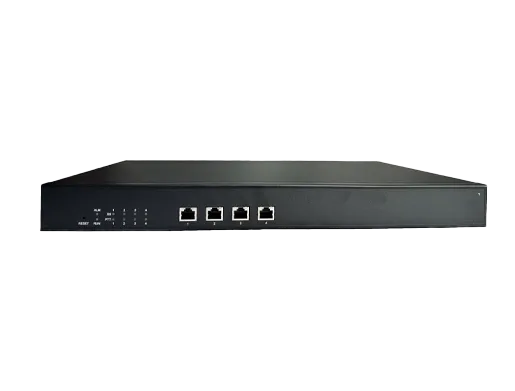
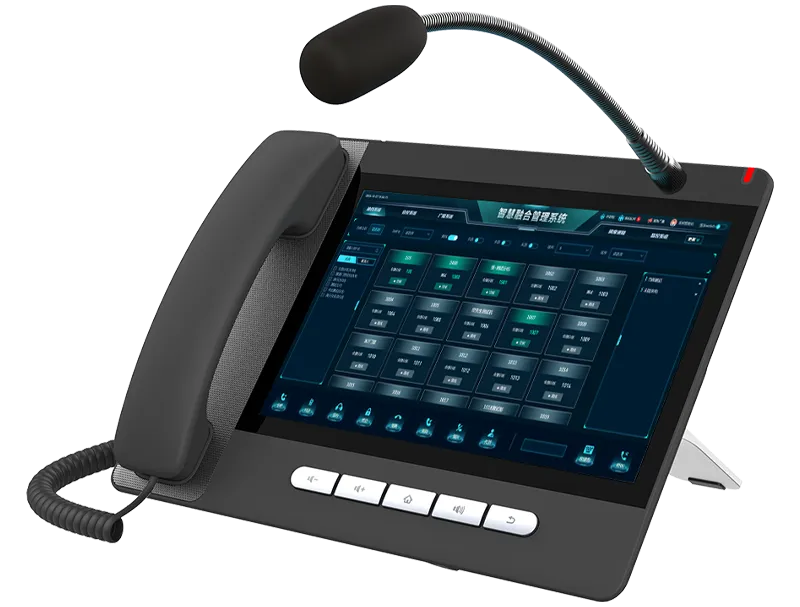
The software layer is the operational core of the solution. It manages devices, zones, groups, schedules, user roles, event logs, system health, and emergency notification workflows. It also enables centralized administration for multisite organizations.
Integration Modules and APIs
Integration modules connect the communication platform with telephony systems, access control, video surveillance, emergency notification tools, building management systems, and enterprise workflow platforms. This helps communication follow real operational events instead of functioning as a separate layer.
Component
Main Role
Typical Deployment
IP Speakers
Routine paging, announcements, emergency audio, local alerts
Two-way communication, visitor interaction, controlled access support
Entrances, gates, loading bays, service counters, secure areas
Paging Adapters
Bridge IP platforms with legacy amplifiers and analog speakers
Hybrid migration projects, existing PA environments
Central Management Platform
Zone control, scheduling, device health, event handling, administration
Data center, enterprise server, cloud, hybrid deployment
Integration Layer
Connect paging and intercom with UC, security, and alerting systems
Enterprise IT and security architecture
Key Functions for Global Organizations
Routine Paging and Announcements
Routine paging remains one of the most important use cases. Global organizations use IP paging to deliver staff announcements, shift-change reminders, service notices, queue management messages, policy updates, and localized operational instructions. Because the system is IP-based, announcements can be targeted to the exact site, floor, department, or building that needs the message.
Two-Way Intercom Communication
Two-way intercom adds a critical interaction layer that traditional paging cannot provide. Personnel at doors, gates, remote buildings, warehouse docks, service zones, or restricted rooms can speak directly with reception staff, security personnel, or control teams. This improves both response speed and situational awareness.
Emergency Alerts and Incident Communication
Emergency communication is now a core enterprise requirement. A modern IP solution can distribute urgent voice alerts, pre-recorded emergency instructions, and targeted live announcements through speakers and intercom endpoints while also supporting broader notification workflows. This helps organizations move faster during incidents such as fire alarms, security threats, severe weather, evacuation, or operational disruptions.
Multisite and Multilingual Coordination
International organizations often need communication across multiple regions and in multiple languages. Centralized software allows administrators to define zone structures, assign language-specific message libraries, and coordinate enterprise-wide communications while still supporting local operational flexibility.
Cloud and Hybrid Integration
Many organizations already use cloud calling, SIP-based telephony, or hybrid voice architectures. IP paging and intercom solutions can fit into these environments more naturally than older analog systems, making it easier to connect voice communication with enterprise collaboration workflows.
Remote Monitoring and Lifecycle Management
Because endpoints are networked, administrators can monitor device status, detect faults, confirm connectivity, and manage system changes without visiting every site. This is particularly valuable for global organizations with large geographic footprints and lean on-site support teams.
Two-way IP intercom communication improves security, visitor management, and operational coordination across distributed enterprise access points.
Typical Deployment Scenarios
IP paging and intercom solutions are highly adaptable and can support a wide range of environments. The most common enterprise use cases include corporate communication, industrial coordination, access management, emergency notification, and operational support across distributed facilities.
Corporate Campuses and Headquarters
Organizations can use IP paging for daily announcements, security communication, visitor handling, and emergency alerts across office towers, conference zones, parking structures, and common spaces.
Manufacturing and Industrial Sites
Factories and industrial campuses benefit from zoned announcements, noisy-area paging, work coordination, access control support, and integrated emergency messaging across production, logistics, and utility areas.
Warehouses and Logistics Centers
Warehouses often need fast zone-based communication for shipping, receiving, dock management, safety announcements, and restricted-area interaction. SIP intercoms and IP speakers are especially useful in loading bays and large floor spaces.
Healthcare and Education
Hospitals, clinics, schools, and universities need clear communication for routine updates, localized paging, visitor interaction, lockdown or evacuation support, and campus-wide emergency notification.
Retail, Hospitality, and Public Facilities
Retail chains, shopping centers, hotels, and public-facing sites use IP paging and intercom for customer service, staff communication, back-of-house coordination, and safety-related alerts.
Customer service, staff coordination, safety communication
Hybrid IP paging and intercom deployment
Why Open Standards Matter
Open standards are a major reason IP paging and intercom solutions scale more effectively than proprietary legacy systems. Standards-based communication makes it easier to connect with telephony, security, and collaboration platforms while reducing vendor lock-in. This is especially important for global organizations that want long-term flexibility and the ability to modernize without rebuilding everything from scratch.
An open architecture also supports phased migration. Enterprises can expand to new sites, replace selected hardware, or integrate with different platforms over time while preserving a more consistent communication model across the organization.
Security, Reliability, and Manageability
Because modern paging and intercom systems run on enterprise networks, they must be managed with the same seriousness as other connected infrastructure. Security should include protected signaling, encrypted media, secure onboarding, user access control, and device lifecycle management. Reliability should include centralized monitoring, fault reporting, and the ability to support critical communication during day-to-day operations and emergencies.
For global organizations, centralized manageability is just as important as endpoint performance. Communication systems must be visible, supportable, and maintainable from an operational perspective, especially when sites are distributed across regions or continents.
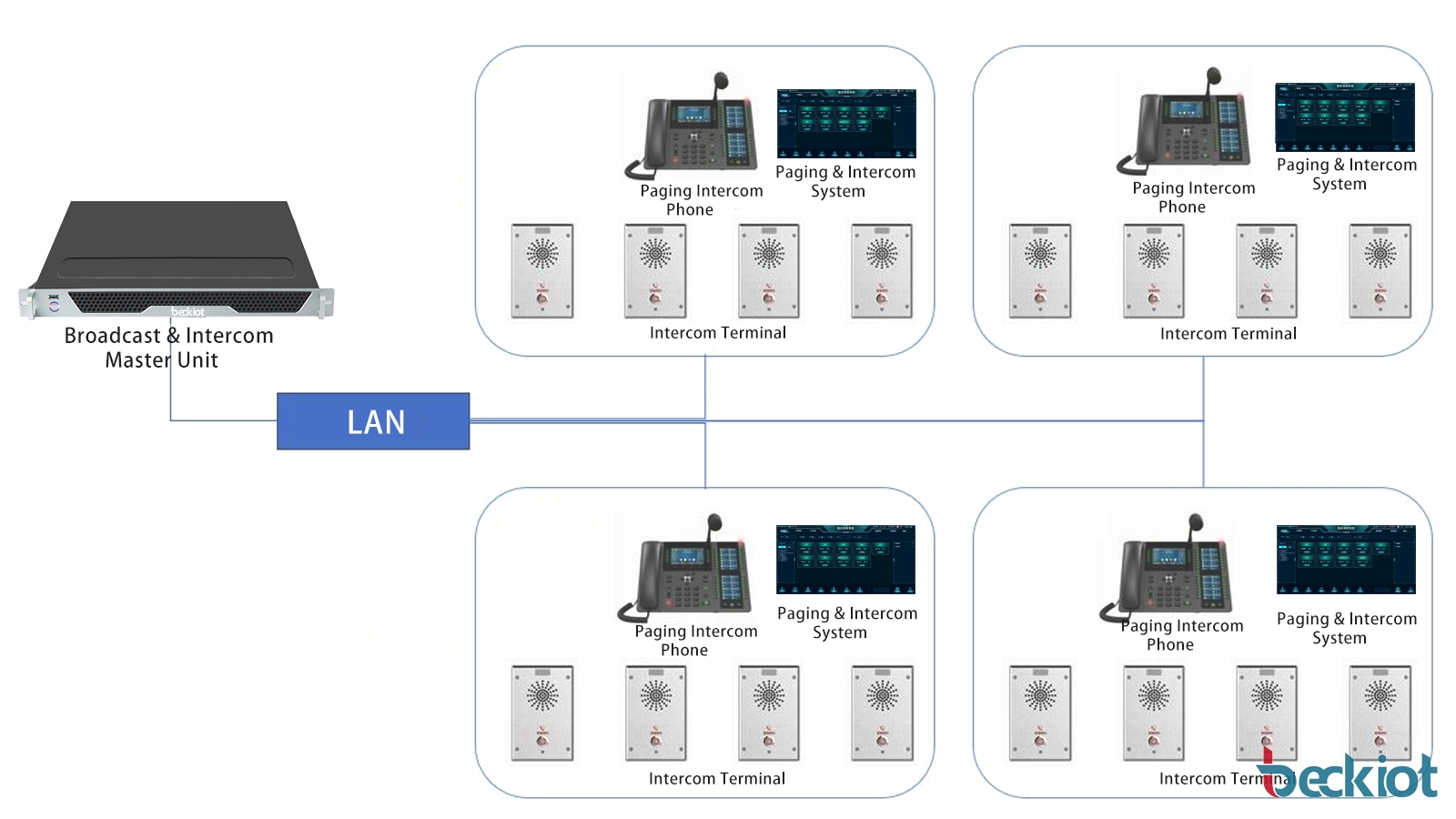
Centralized management helps global organizations monitor device health, control zones, and maintain communication consistency across multiple sites.
How Becke Telcom Supports IP Paging and Intercom Projects
Becke Telcom provides enterprise-grade communication solutions that combine IP paging, SIP-based intercom, emergency alerts, and centralized management into one integrated platform. The solution is designed for organizations that need reliable communication across offices, industrial sites, warehouses, campuses, and critical facilities.
Based on open and scalable architecture principles, the platform can integrate with broader voice, security, and operational systems while supporting both greenfield deployment and phased migration from legacy environments. This helps customers improve communication efficiency, strengthen safety procedures, and modernize infrastructure without losing control over interoperability.
Unified architecture for paging, intercom, alerts, and coordination
Open integration with SIP-based voice and enterprise systems
Support for cloud, on-premises, and hybrid deployment models
Centralized management across multisite global organizations
Flexible deployment for commercial, industrial, and critical environments
Conclusion
IP Paging and Intercom Solutions represent a major shift in enterprise communication. The real evolution is not simply from analog to IP, but from fragmented voice devices to unified communication platforms that support routine announcements, two-way intercom, emergency alerts, access interaction, and centralized management together.
For global organizations, this matters because communication must now work across multiple sites, systems, and operating conditions. By combining IP speakers, SIP intercoms, hybrid integration, open standards, and centralized control, enterprises can build a smarter and more resilient voice communication framework for both daily operations and critical events.
FAQ
What is an IP paging and intercom solution?
It is a network-based communication system that combines IP speakers, two-way intercom devices, centralized management, and integration capability to support routine announcements, access communication, and emergency alerts.
Why is IP better than traditional analog paging?
IP-based systems are generally easier to scale, easier to manage remotely, more flexible for zoning, and better suited to integration with telephony, security, and enterprise software platforms.
Can IP paging and intercom work with existing legacy infrastructure?
Yes. Many organizations use hybrid deployment models that combine IP endpoints with paging adapters or interfaces so they can modernize gradually without replacing all existing hardware at once.
What types of organizations benefit most from this solution?
Corporate campuses, industrial sites, warehouses, healthcare facilities, schools, transport hubs, retail chains, and other multisite organizations benefit from the combination of routine communication, two-way intercom, and emergency alerting.
We use cookie to improve your online experience. By continuing to browse this website, you agree to our use of cookie.
Cookies
This Cookie Policy explains how we use cookies and similar technologies when you access or use our website and related services. Please read this Policy together with our Terms and Conditions and Privacy Policy so that you understand how we collect, use, and protect information.
By continuing to access or use our Services, you acknowledge that cookies and similar technologies may be used as described in this Policy, subject to applicable law and your available choices.
Updates to This Cookie Policy
We may revise this Cookie Policy from time to time to reflect changes in legal requirements, technology, or our business practices. When we make updates, the revised version will be posted on this page and will become effective from the date of publication unless otherwise required by law.
Where required, we will provide additional notice or request your consent before applying material changes that affect your rights or choices.
What Are Cookies?
Cookies are small text files placed on your device when you visit a website or interact with certain online content. They help websites recognize your browser or device, remember your preferences, support essential functionality, and improve the overall user experience.
In this Cookie Policy, the term “cookies” also includes similar technologies such as pixels, tags, web beacons, and other tracking tools that perform comparable functions.
Why We Use Cookies
We use cookies to help our website function properly, remember user preferences, enhance website performance, understand how visitors interact with our pages, and support security, analytics, and marketing activities where permitted by law.
We use cookies to keep our website functional, secure, efficient, and more relevant to your browsing experience.
Categories of Cookies We Use
Strictly Necessary Cookies
These cookies are essential for the operation of the website and cannot be disabled in our systems where they are required to provide the service you request. They are typically set in response to actions such as setting privacy preferences, signing in, or submitting forms.
Without these cookies, certain parts of the website may not function correctly.
Functional Cookies
Functional cookies enable enhanced features and personalization, such as remembering your preferences, language settings, or previously selected options. These cookies may be set by us or by third-party providers whose services are integrated into our website.
If you disable these cookies, some services or features may not work as intended.
Performance and Analytics Cookies
These cookies help us understand how visitors use our website by collecting information such as traffic sources, page visits, navigation behavior, and general interaction patterns. In many cases, this information is aggregated and does not directly identify individual users.
We use this information to improve website performance, usability, and content relevance.
Targeting and Advertising Cookies
These cookies may be placed by our advertising or marketing partners to help deliver more relevant ads and measure the effectiveness of campaigns. They may use information about your browsing activity across different websites and services to build a profile of your interests.
These cookies generally do not store directly identifying personal information, but they may identify your browser or device.
First-Party and Third-Party Cookies
Some cookies are set directly by our website and are referred to as first-party cookies. Other cookies are set by third-party services, such as analytics providers, embedded content providers, or advertising partners, and are referred to as third-party cookies.
Third-party providers may use their own cookies in accordance with their own privacy and cookie policies.
Information Collected Through Cookies
Depending on the type of cookie used, the information collected may include browser type, device type, IP address, referring website, pages viewed, time spent on pages, clickstream behavior, and general usage patterns.
This information helps us maintain the website, improve performance, enhance security, and provide a better user experience.
Your Cookie Choices
You can control or disable cookies through your browser settings and, where available, through our cookie consent or preference management tools. Depending on your location, you may also have the right to accept or reject certain categories of cookies, especially those used for analytics, personalization, or advertising purposes.
Please note that blocking or deleting certain cookies may affect the availability, functionality, or performance of some parts of the website.
Restricting cookies may limit certain features and reduce the quality of your experience on the website.
Cookies in Mobile Applications
Where our mobile applications use cookie-like technologies, they are generally limited to those required for core functionality, security, and service delivery. Disabling these essential technologies may affect the normal operation of the application.
We do not use essential mobile application cookies to store unnecessary personal information.
How to Manage Cookies
Most web browsers allow you to manage cookies through browser settings. You can usually choose to block, delete, or receive alerts before cookies are stored. Because browser controls vary, please refer to your browser provider’s support documentation for details on how to manage cookie settings.
Contact Us
If you have any questions about this Cookie Policy or our use of cookies and similar technologies, please contact us at support@becke.cc .