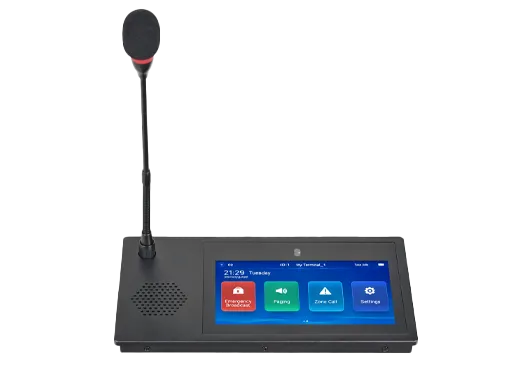
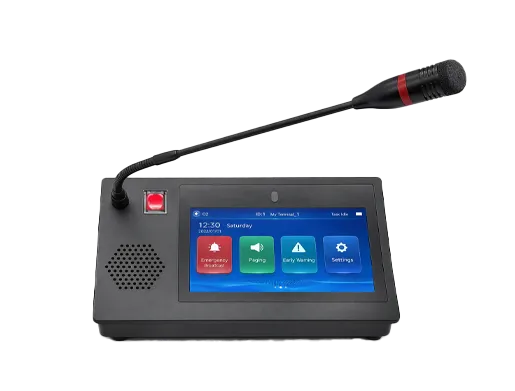
Learn how to choose a SIP server for IP telephony, including compatibility, scalability, security, deployment options, and integration with paging, intercom, video, and management systems.
Becke Telcom
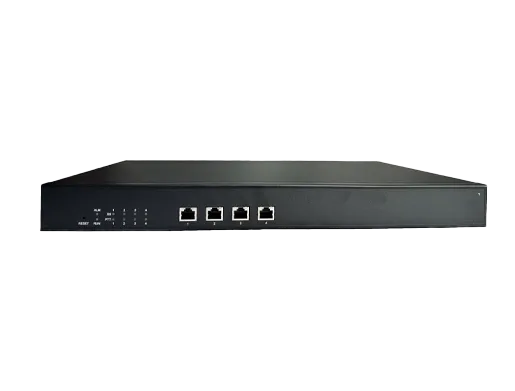
A SIP server is the control core of an IP telephony system. It manages endpoint registration, call routing, session control, and user access across IP phones, softphones, SIP gateways, trunks, and other communication devices. In a modern business environment, however, the right SIP server often does much more than basic call handling. It can also become the platform that connects telephony, paging, intercom, recording, video, conferencing, and centralized management into one unified communications architecture.
That is why choosing a SIP server should never be reduced to one question: can it make and receive calls? For most organizations, the real question is whether the platform can support business growth, integrate with third-party systems, remain easy to manage, and continue to perform reliably in office, campus, industrial, and mission-critical environments.
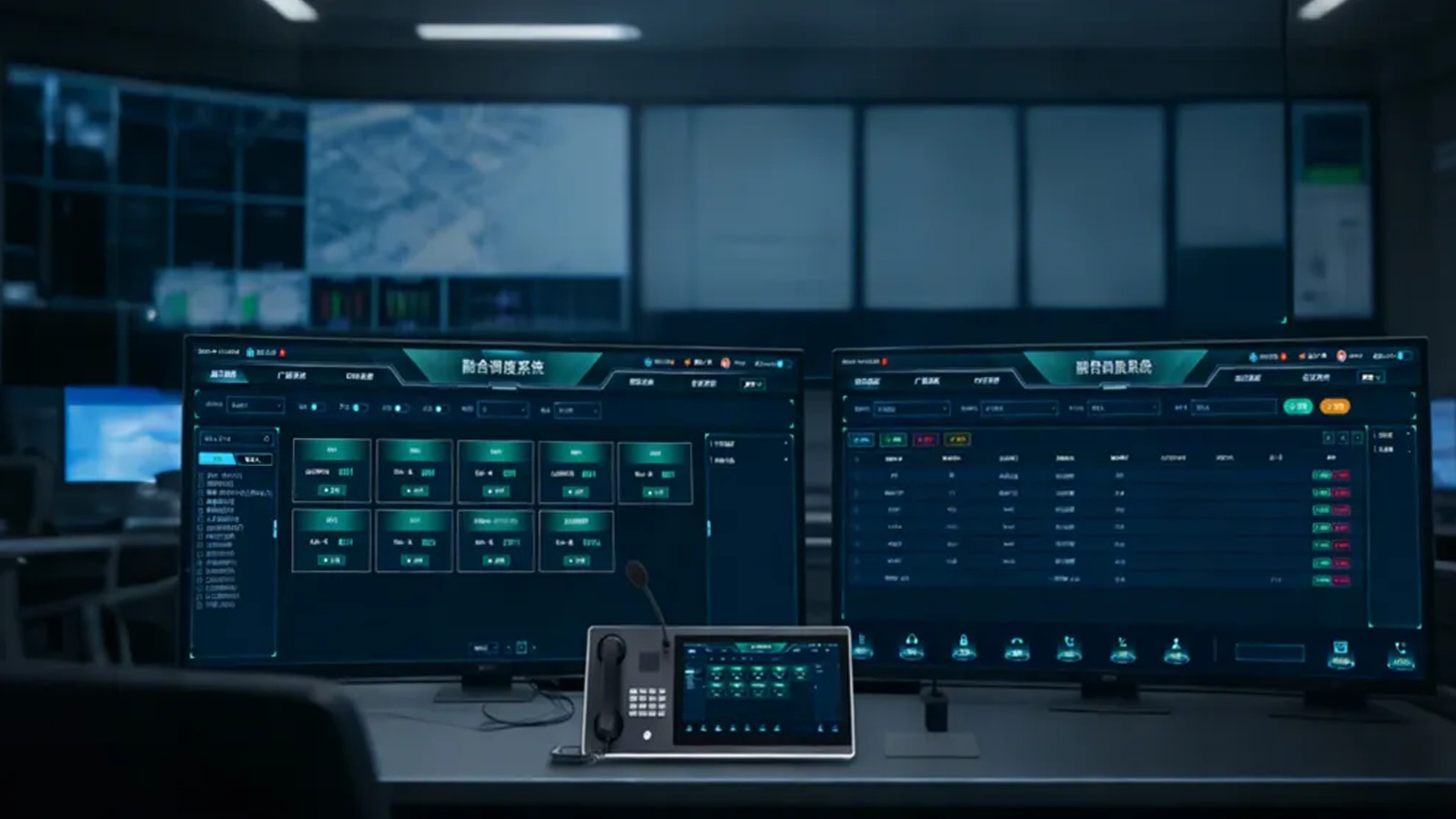
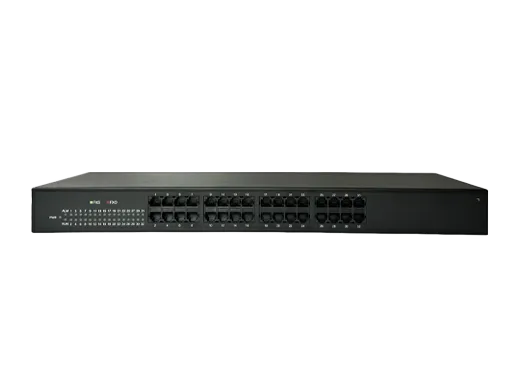
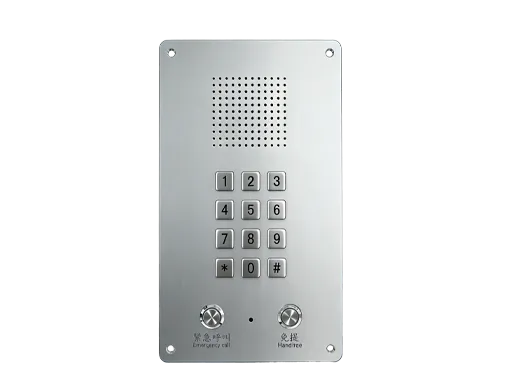
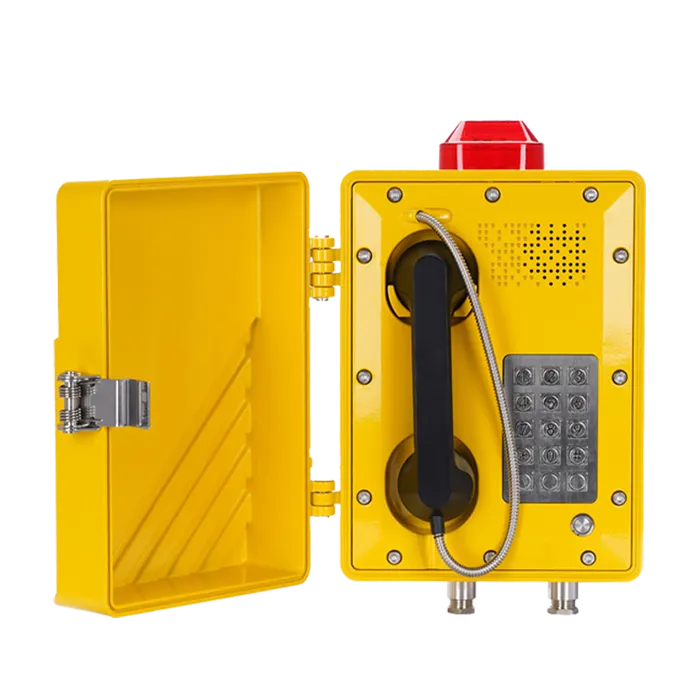
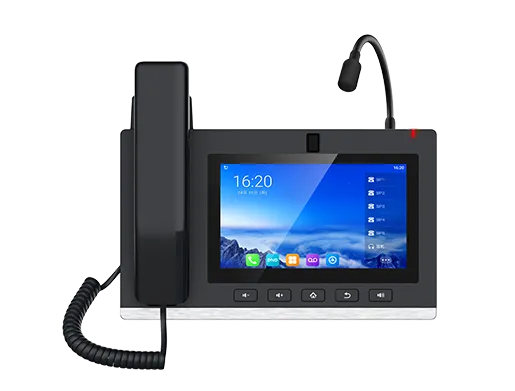
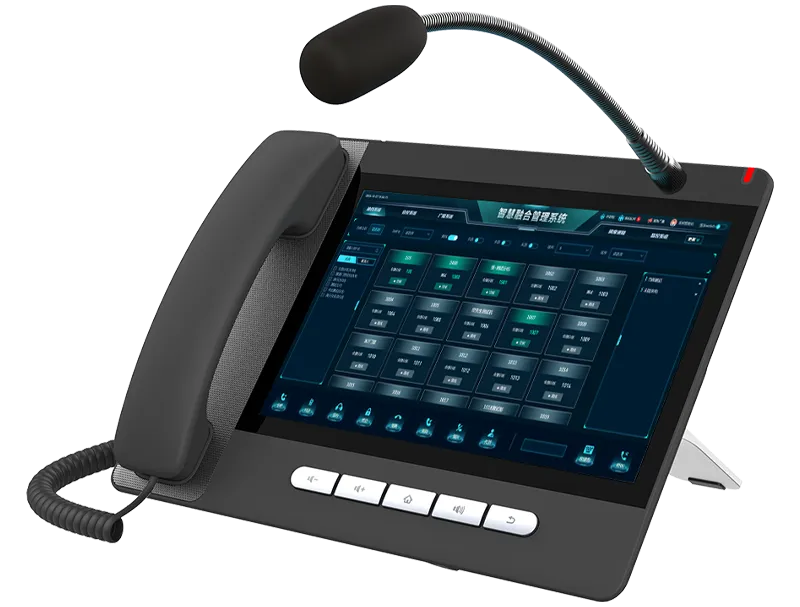
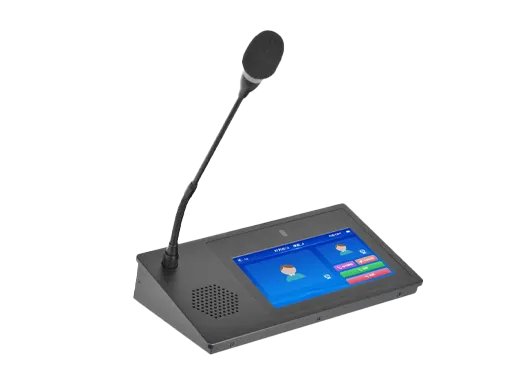
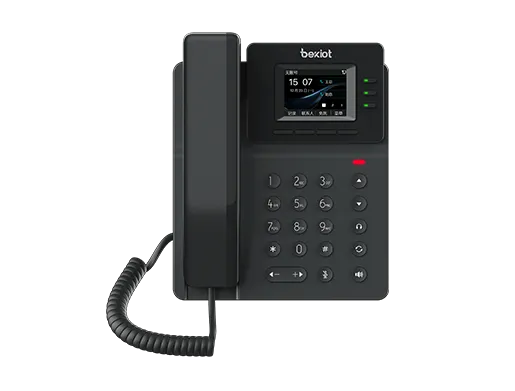
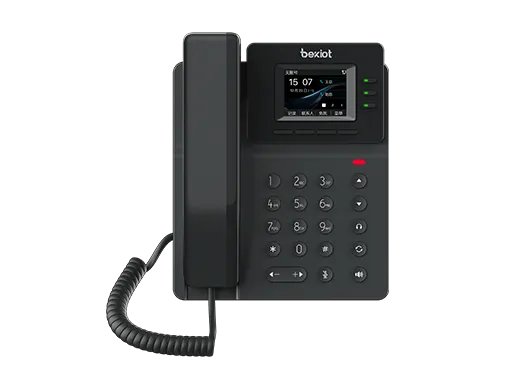
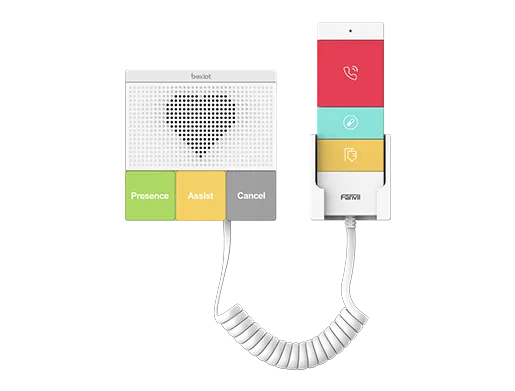
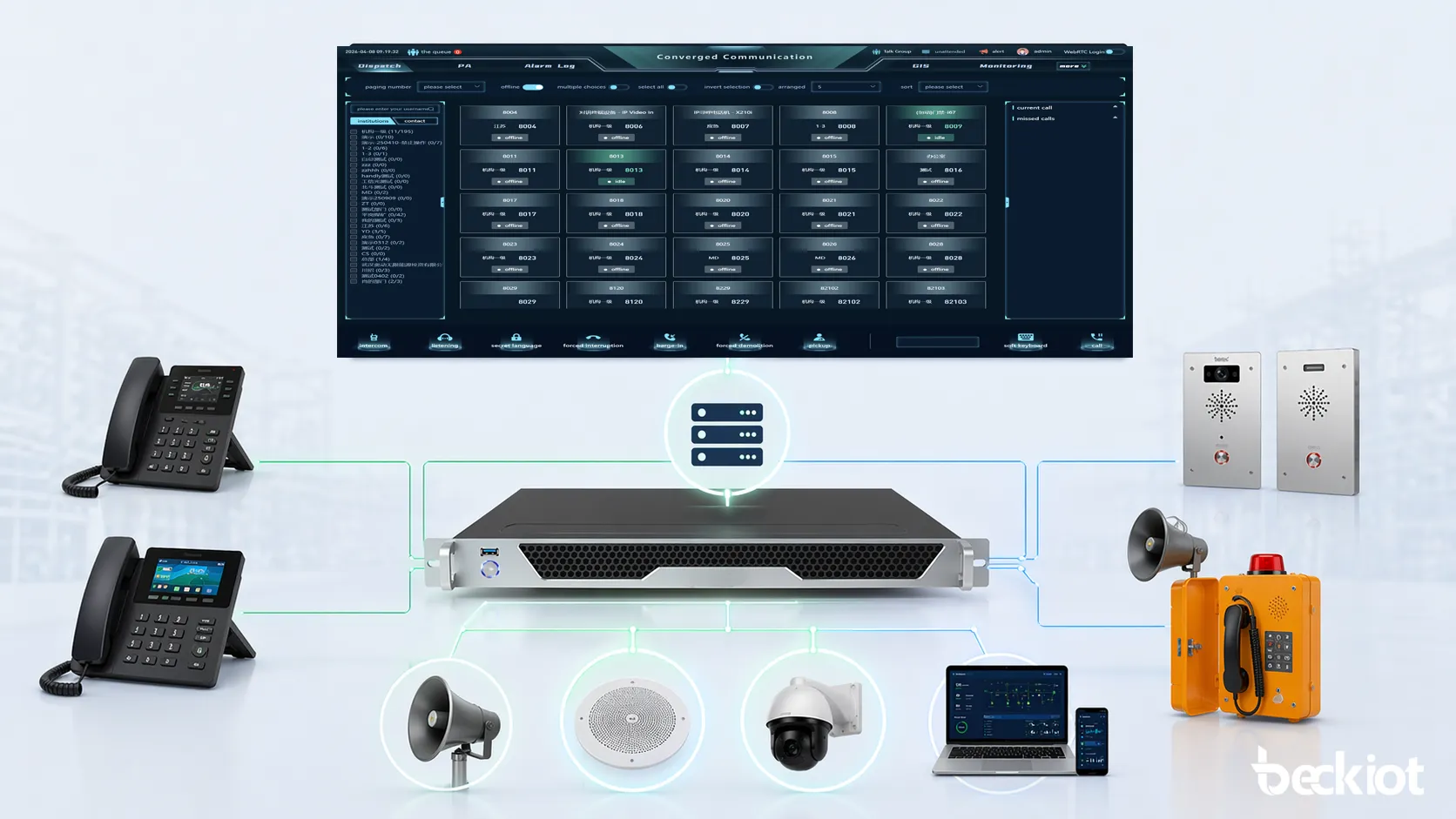
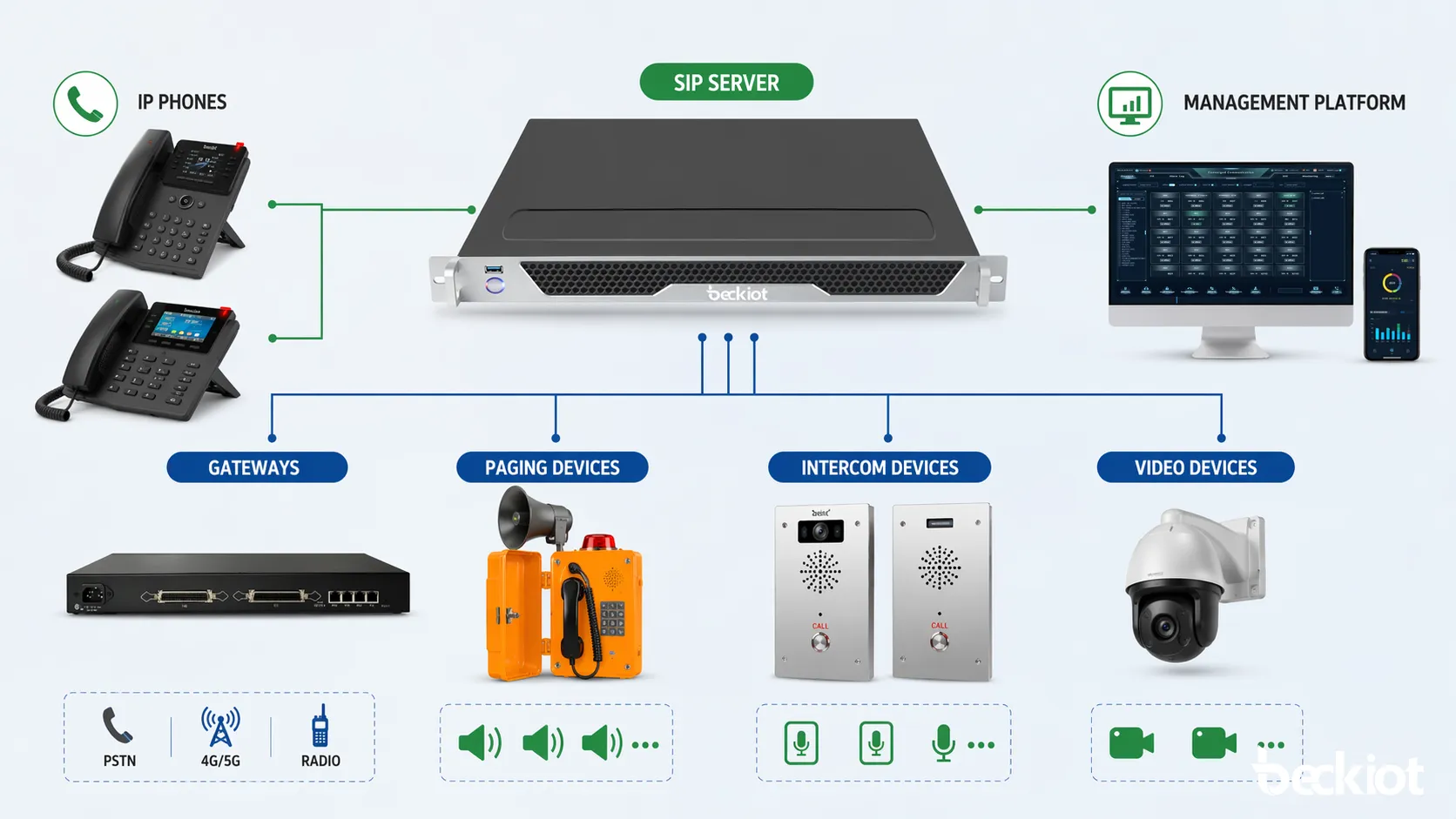
SIP servers often sit at the center of a broader IP communications architecture that may include phones, gateways, paging, intercom, video, and management tools.
What a SIP Server Does in an IP Telephony System
At the most basic level, a SIP server handles SIP signaling. It authenticates users, registers endpoints, controls sessions, routes calls, and helps different devices communicate over an IP network. In small deployments, this may look like a straightforward office calling platform. In more advanced deployments, the SIP server becomes the communications backbone for multiple subsystems.
In practical terms, many buyers today expect a SIP server to support much more than desk phones. They may want it to connect SIP intercoms, paging gateways, audio broadcasting devices, video endpoints, wireless handsets, analog gateways, and even dispatch consoles. In this kind of environment, the server is no longer just a PBX component. It becomes the center of service integration, operational coordination, and long-term platform expansion.
Why Choosing the Right SIP Server Matters
The wrong SIP server may work at the start, but it often creates long-term problems. It may limit the number of users, force you into a closed ecosystem, make integration difficult, or increase future upgrade costs. Some platforms perform adequately in a small office but struggle when you introduce multiple sites, paging zones, intercom devices, or video-linked endpoints.
The right platform gives you room to scale, simplifies maintenance, improves user experience, and supports more business scenarios over time. This matters even more when the communications environment includes not only telephony, but also paging, intercom, broadcast, video monitoring, alarm linkage, and centralized device management.
Key Factors to Consider When Choosing a SIP Server
Protocol Compatibility and Openness
The first thing to verify is whether the platform is built around standard SIP rather than a closed or heavily restricted implementation. A standards-based server gives you a stronger chance of integrating IP phones, SIP gateways, intercom terminals, paging endpoints, and third-party systems without being locked into a single vendor.
This is especially important when the system may need to connect with existing IP PBX platforms, cloud call platforms, or specialized field devices. A SIP server with an open architecture is usually a better long-term investment because it supports future interoperability instead of forcing a costly replacement when business needs evolve.
Capacity and Scalability
Do not size the system only for today. Ask how many users, registered endpoints, concurrent calls, branch offices, and service applications the platform can support now and after expansion. A system that works for one office may not be suitable for a multi-site business, campus, industrial facility, or distributed operations team.
Scalability also includes licensing flexibility, hardware resource planning, virtualization options, clustering, and support for distributed deployment. The best choice is usually a server that matches current needs while leaving enough headroom for the next three to five years.
Integration with More Than Telephony
This is one of the most overlooked buying criteria. Many buyers initially think they only need telephony, but later discover that they also need paging, intercom, emergency notification, call recording, video linkage, conferencing, or dispatch functions. If the SIP server cannot support those requirements, the system quickly becomes fragmented.
A stronger platform is one that can serve as a unified communications foundation. In many real-world deployments, organizations benefit from a server that can integrate telephony, broadcasting, recording, video, conferencing, and management within one architecture. That reduces system silos, lowers maintenance complexity, and makes daily operations more efficient.
A SIP server should be evaluated not only as a telephony component, but as the future control point of a wider communications environment.
Deployment Flexibility
Some projects need local on-premises deployment. Others require private cloud deployment, multi-site networking, cross-subnet connectivity, or remote branch support. Before choosing a platform, confirm whether it can operate across local networks, routed IP environments, and mixed wired or wireless infrastructures.
Flexible deployment becomes even more valuable when the business spans offices, campuses, plants, transportation sites, or public-service facilities. A platform that can be deployed across LAN, WAN, and private cloud environments gives the organization far more room to adapt as operational requirements change.
Voice Quality and Reliability
Voice quality still matters. Look for support for wideband codecs such as G.722, along with echo cancellation and noise reduction. These features are useful not only in quiet office environments, but also in noisy spaces such as industrial plants, transport sites, utility facilities, and outdoor public areas.
Reliability should also be examined from a system perspective. Ask about uptime, failover options, backup strategy, service redundancy, and recovery procedures. A communications platform that supports daily operations or emergency workflows cannot afford frequent service interruptions.
Management, Provisioning, and Maintenance
A SIP server should not create an administrative burden. Modern systems should make it easier to deploy endpoints in batches, monitor device status, update configurations remotely, and manage users from a central interface. Web-based administration and remote maintenance can significantly reduce support time and ongoing operating cost.
This becomes particularly important when there are many devices in the field, such as intercoms, paging gateways, SIP speakers, or specialized terminals. Centralized management turns a large installation into something maintainable and predictable instead of a patchwork of isolated devices.
Security and Business Continuity
Security should be treated as a core requirement rather than a later add-on. At a minimum, review account authentication, access control, logging, update policy, network segmentation, and system hardening options. For more sensitive environments, you may also need signaling protection, media protection, and anti-attack mechanisms.
Business continuity is closely related. A platform that supports backup, redundancy, recovery planning, and controlled failover will be much more suitable for business-critical and service-critical use.
SIP Server vs IP PBX: What Is the Difference?
The terms are often used together, and sometimes even interchangeably, but they are not always identical. A SIP server primarily focuses on SIP registration, signaling, and session control. An IP PBX is usually the broader telephony application layer that adds enterprise features such as extension plans, IVR, voicemail, call transfer, ring groups, and trunk connectivity.
In many modern systems, these roles are delivered in one integrated platform. That is why buyers should focus less on labels and more on actual capabilities. The better question is not whether a platform is called a SIP server or IP PBX, but whether it supports the communications features, scale, and integrations your project really needs.
Questions to Ask Before Buying
How Many Users and Endpoints Will the System Support?
Count more than office extensions. Include SIP intercoms, paging devices, gateways, wireless handsets, soft clients, and future branch offices. A realistic endpoint estimate prevents undersizing and saves you from a rushed upgrade later.
Will the System Need to Integrate with Other Platforms?
If you expect the server to connect with intercom, paging, video, dispatch, door access, or alarm systems, ask for proven integration methods before purchase. Do not assume that two devices labeled SIP will always interoperate smoothly in a production environment.
Do You Need Centralized Management?
For a handful of phones, manual management may be acceptable. For larger projects, centralized device provisioning, monitoring, remote updates, and operational visibility become essential.
Will the Platform Be Used Only for Calls?
Many projects start with internal calls and external calling, then expand into group paging, emergency announcements, visual intercom, conferencing, call recording, and remote coordination. Choose a platform that can grow into those needs rather than forcing parallel systems later.
How to Choose for Different Deployment Scenarios
Office and Enterprise Telephony
For office use, focus on extension management, call routing, SIP trunk support, voicemail, IVR, conferencing, user administration, and reliable desk phone compatibility. Ease of deployment and maintenance is often more important than specialized field integration.
Campus, Park, and Multi-Building Environments
In campuses, business parks, and residential-style properties, the SIP server often needs to do more. Intercom, paging, remote announcements, wireless mobility, device management, and video-linked assistance become important. In these cases, integration value matters as much as telephony features.
Industrial and Operational Environments
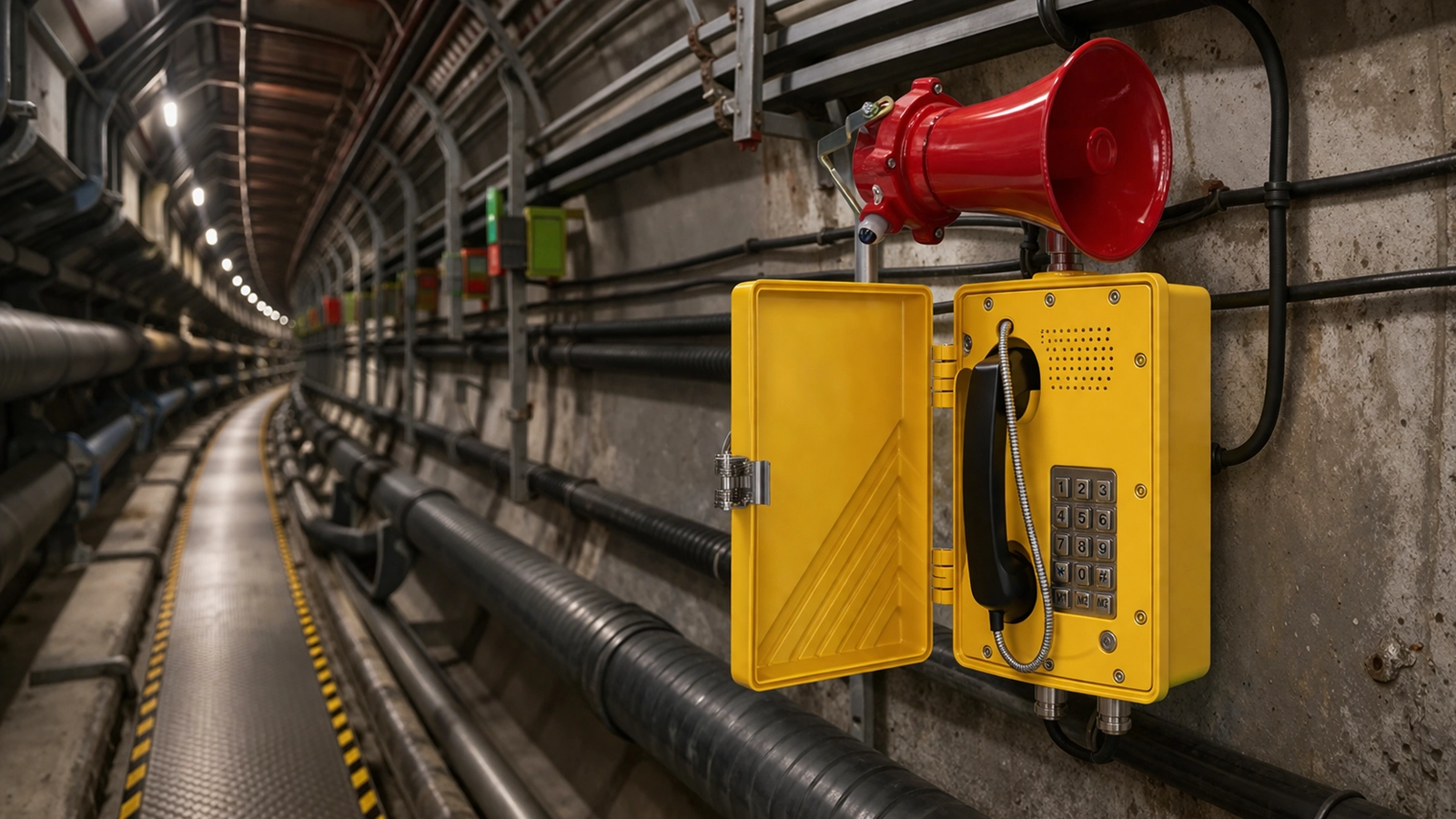
Industrial sites, transport facilities, utilities, and harsh-environment projects should prioritize reliability, high-audio intelligibility, integration with paging and intercom, and support for distributed deployments. A platform that can connect telephony, audio broadcasting, recording, monitoring, and response workflows offers much stronger operational value than a voice-only platform.
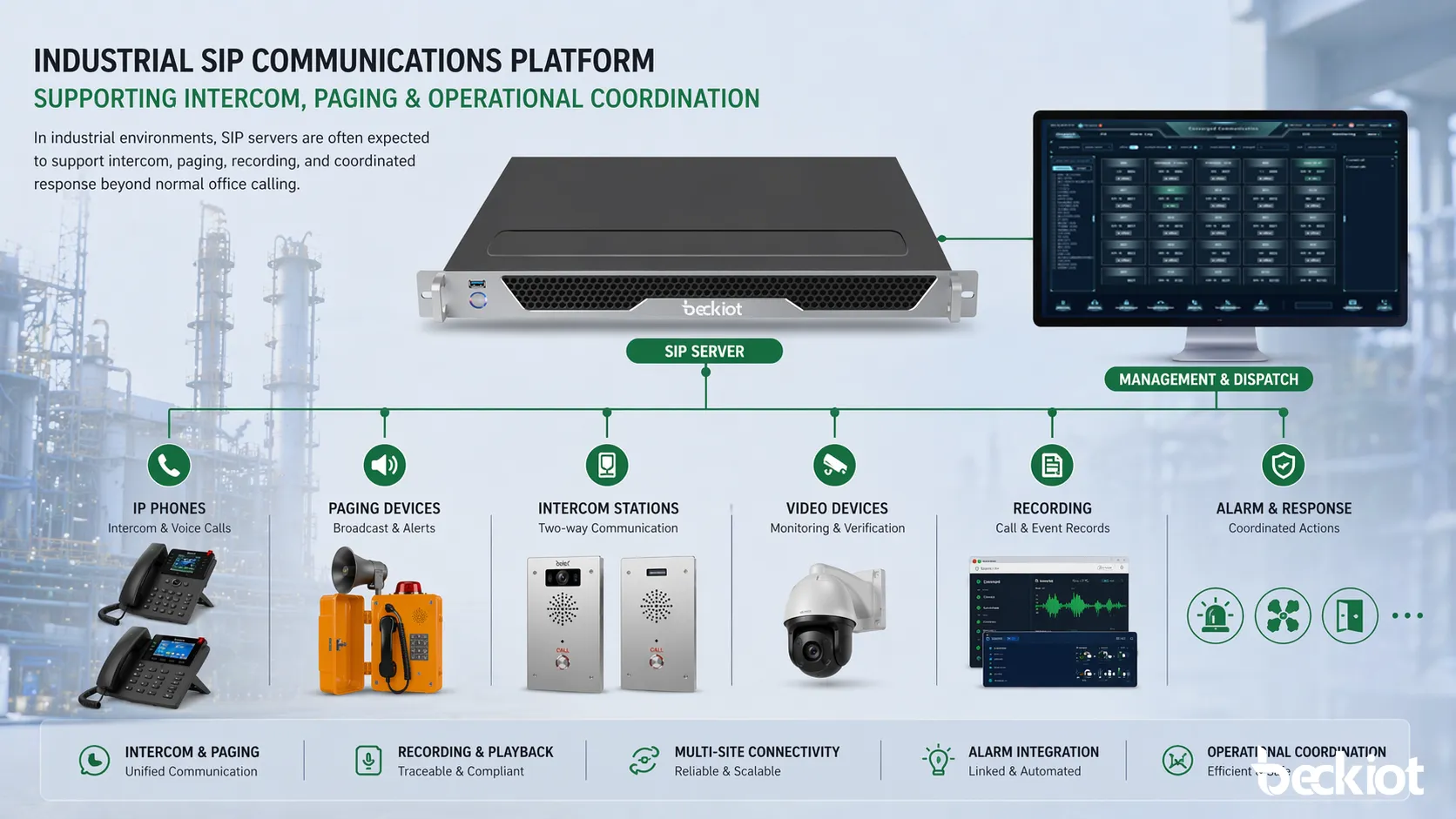
In industrial environments, SIP servers are often expected to support intercom, paging, recording, and coordinated response beyond normal office calling.
Emergency, Dispatch, and High-Coordination Use Cases
For emergency response, command centers, transport operations, or critical infrastructure, the SIP server should be evaluated as part of a broader command-and-control communications platform. Fast response, centralized control, multi-device coordination, and integration with audio, video, and field communications may all be necessary.
In these environments, buyers should prioritize interoperability, operational visibility, redundancy, and integration readiness instead of treating the purchase as a basic telephony refresh.
Common Mistakes to Avoid
Buying Only for Current Extension Count
This often leads to early replacement or expensive relicensing. Always plan for future endpoints and added services.
Ignoring Integration Requirements
A low-cost server may look attractive until you need to connect it to SIP speakers, intercoms, gateways, or management software. Compatibility should be validated early.
Choosing a Closed Platform Without a Long-Term Plan
Closed systems can be acceptable in some small deployments, but they often become restrictive when the organization expands or needs cross-system coordination.
Focusing Only on Feature Lists
Published features matter, but architecture matters more. A platform may advertise many functions, yet still perform poorly in integration, maintenance, or scaling. Always evaluate both technical capability and deployment practicality.
Conclusion
Choosing a SIP server for IP telephony is about much more than basic voice service. The right platform should combine standards-based SIP compatibility, strong scalability, flexible deployment, centralized management, dependable audio performance, and the ability to integrate with broader communications and operational systems.
For organizations that expect telephony to evolve into paging, intercom, video coordination, recording, conferencing, or dispatch support, the best SIP server is the one that can serve as a long-term communications core instead of a short-term calling tool.
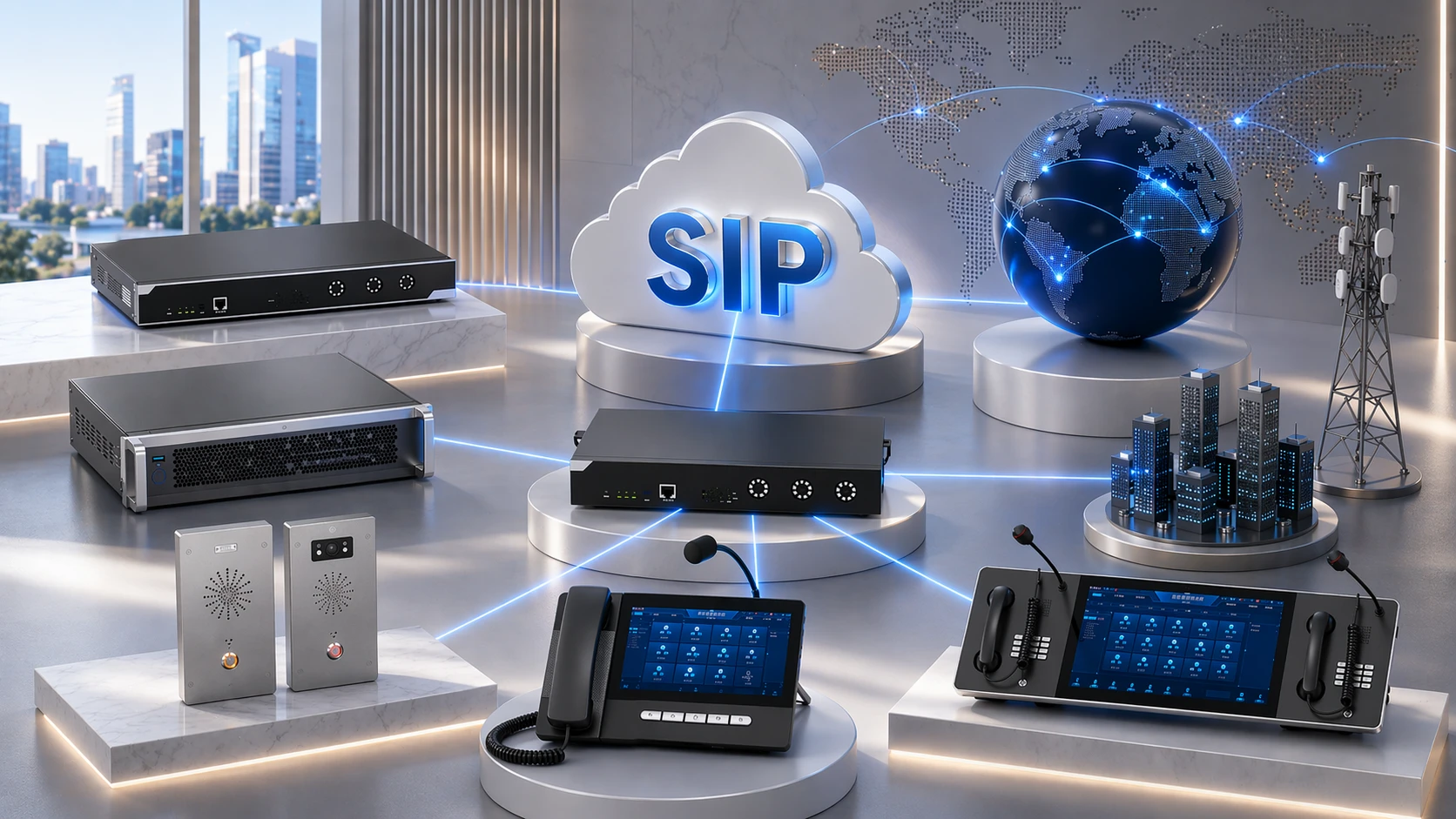
A well-chosen SIP server can become the centralized core for telephony, paging, intercom, device coordination, and future communications expansion.
Why Choose Becke Telcom
Becke Telcom provides SIP-based communication solutions designed for more than ordinary office calling. With a stronger focus on practical deployment, system integration, and real operational use cases, Becke Telcom solutions can support telephony, intercom, paging, broadcasting, recording, video linkage, and centralized management within one communications architecture.
Whether you are building an enterprise IP telephony system, upgrading a campus communication network, or planning an industrial-grade SIP solution, Becke Telcom can help you create a platform that is open, scalable, and ready for long-term expansion.
Looking for a SIP server that does more than handle calls? Talk to Becke Telcom about building an IP telephony platform that is ready for integration, growth, and real-world operations.
FAQ
Is a SIP server the same as an IP PBX?
Not always. A SIP server mainly handles SIP registration and session control, while an IP PBX usually includes broader enterprise telephony functions such as IVR, voicemail, extension plans, and trunk services. In many modern systems, both functions are combined in one platform.
Can a SIP server support paging and intercom devices?
Yes, if the platform is based on standard SIP and has the right integration capability. Many modern SIP platforms can connect with paging gateways, SIP speakers, intercom terminals, and related devices.
What is the most important factor when choosing a SIP server?
There is no single factor for every project, but the most important combination is usually standards-based compatibility, scalability, integration capability, deployment flexibility, and ease of management.
Should I choose on-premises or private cloud deployment?
That depends on your project, security requirements, site distribution, and IT policy. Many organizations prefer on-premises deployment for local control, while others choose private cloud models for easier multi-site management.
Can a SIP server be used in industrial or emergency environments?
Yes. In fact, many advanced SIP platforms are used well beyond office telephony and support intercom, paging, recording, dispatch, and multi-system coordination in industrial, transport, and emergency-response environments.
We use cookie to improve your online experience. By continuing to browse this website, you agree to our use of cookie.
Cookies
This Cookie Policy explains how we use cookies and similar technologies when you access or use our website and related services. Please read this Policy together with our Terms and Conditions and Privacy Policy so that you understand how we collect, use, and protect information.
By continuing to access or use our Services, you acknowledge that cookies and similar technologies may be used as described in this Policy, subject to applicable law and your available choices.
Updates to This Cookie Policy
We may revise this Cookie Policy from time to time to reflect changes in legal requirements, technology, or our business practices. When we make updates, the revised version will be posted on this page and will become effective from the date of publication unless otherwise required by law.
Where required, we will provide additional notice or request your consent before applying material changes that affect your rights or choices.
What Are Cookies?
Cookies are small text files placed on your device when you visit a website or interact with certain online content. They help websites recognize your browser or device, remember your preferences, support essential functionality, and improve the overall user experience.
In this Cookie Policy, the term “cookies” also includes similar technologies such as pixels, tags, web beacons, and other tracking tools that perform comparable functions.
Why We Use Cookies
We use cookies to help our website function properly, remember user preferences, enhance website performance, understand how visitors interact with our pages, and support security, analytics, and marketing activities where permitted by law.
We use cookies to keep our website functional, secure, efficient, and more relevant to your browsing experience.
Categories of Cookies We Use
Strictly Necessary Cookies
These cookies are essential for the operation of the website and cannot be disabled in our systems where they are required to provide the service you request. They are typically set in response to actions such as setting privacy preferences, signing in, or submitting forms.
Without these cookies, certain parts of the website may not function correctly.
Functional Cookies
Functional cookies enable enhanced features and personalization, such as remembering your preferences, language settings, or previously selected options. These cookies may be set by us or by third-party providers whose services are integrated into our website.
If you disable these cookies, some services or features may not work as intended.
Performance and Analytics Cookies
These cookies help us understand how visitors use our website by collecting information such as traffic sources, page visits, navigation behavior, and general interaction patterns. In many cases, this information is aggregated and does not directly identify individual users.
We use this information to improve website performance, usability, and content relevance.
Targeting and Advertising Cookies
These cookies may be placed by our advertising or marketing partners to help deliver more relevant ads and measure the effectiveness of campaigns. They may use information about your browsing activity across different websites and services to build a profile of your interests.
These cookies generally do not store directly identifying personal information, but they may identify your browser or device.
First-Party and Third-Party Cookies
Some cookies are set directly by our website and are referred to as first-party cookies. Other cookies are set by third-party services, such as analytics providers, embedded content providers, or advertising partners, and are referred to as third-party cookies.
Third-party providers may use their own cookies in accordance with their own privacy and cookie policies.
Information Collected Through Cookies
Depending on the type of cookie used, the information collected may include browser type, device type, IP address, referring website, pages viewed, time spent on pages, clickstream behavior, and general usage patterns.
This information helps us maintain the website, improve performance, enhance security, and provide a better user experience.
Your Cookie Choices
You can control or disable cookies through your browser settings and, where available, through our cookie consent or preference management tools. Depending on your location, you may also have the right to accept or reject certain categories of cookies, especially those used for analytics, personalization, or advertising purposes.
Please note that blocking or deleting certain cookies may affect the availability, functionality, or performance of some parts of the website.
Restricting cookies may limit certain features and reduce the quality of your experience on the website.
Cookies in Mobile Applications
Where our mobile applications use cookie-like technologies, they are generally limited to those required for core functionality, security, and service delivery. Disabling these essential technologies may affect the normal operation of the application.
We do not use essential mobile application cookies to store unnecessary personal information.
How to Manage Cookies
Most web browsers allow you to manage cookies through browser settings. You can usually choose to block, delete, or receive alerts before cookies are stored. Because browser controls vary, please refer to your browser provider’s support documentation for details on how to manage cookie settings.
Contact Us
If you have any questions about this Cookie Policy or our use of cookies and similar technologies, please contact us at support@becke.cc .